
Procedural Zelda-Like Adventures on Mobile
Exploring how mobile adventures blend classic design with fresh mechanics
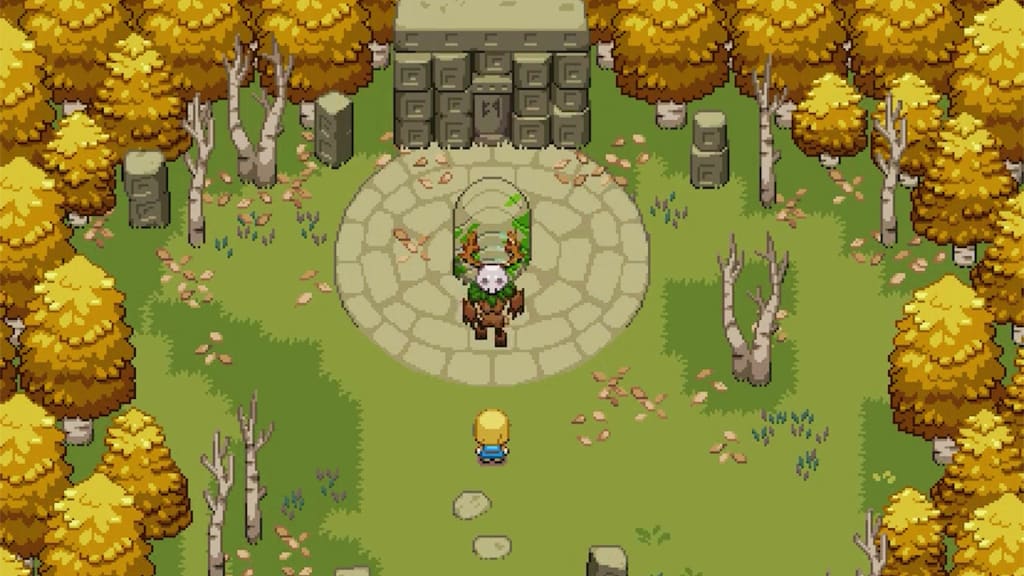
The enduring appeal of The Legend of Zelda has inspired countless developers to reimagine its magic for new platforms and genres. Among the most compelling adaptations on mobile is Wayward Souls, a game that fuses Zelda-style exploration with the unpredictability of roguelike design. In an era where mobile players demand both depth and replayability, this hybrid approach is more than a novelty — it represents a blueprint for how action-adventure games can evolve to meet modern expectations.
The Legacy of Zelda-Style Exploration on Mobile
Action-adventure games modeled after Zelda share a core DNA: an emphasis on exploration, environmental storytelling, and a balance between combat and puzzle-solving. On consoles, these elements have decades of refinement. On mobile, developers face additional challenges: touch controls, shorter play sessions, and varying hardware capabilities.
Despite these constraints, certain iOS games like Zelda — from Oceanhorn to Baldo — have proven that richly detailed worlds and satisfying progression loops are possible. What sets Wayward Souls apart is how it introduces procedural generation to a formula traditionally rooted in handcrafted design.
Wayward Souls: Where Exploration Meets Procedural Generation
Wayward Souls inherits Zelda’s top-down perspective, real-time combat, and character progression but swaps fixed dungeons for procedurally generated layouts. Each playthrough reshapes enemy placement, item distribution, and environmental hazards. This ensures no two runs feel identical, rewarding both skill mastery and adaptability.
This procedural structure has several key benefits:
Replay Value: Players return not just for story progression but to master randomized challenges.
Emergent Difficulty Curves: Unpredictable encounters force flexible strategies, keeping veteran players engaged.
Dynamic Loot Systems: Item placement variability encourages experimentation with different builds.
The result is a game that feels endlessly fresh without sacrificing the thematic cohesion that Zelda fans crave.
The Roguelike Influence: More Than Just Randomization
Roguelikes are defined not only by procedural generation but also by high-stakes progression systems, often featuring permadeath or limited resources. Wayward Souls borrows selectively from this tradition, blending it with action-adventure pacing:
Permanent Character Upgrades: While individual runs reset inventory and dungeon layout, meta-progression rewards consistent play.
Tight Combat Feedback: Precision hitboxes and enemy AI patterns keep encounters fair yet challenging.
Environmental Storytelling: Even with randomized layouts, lore fragments and visual cues maintain narrative continuity.
This hybridization appeals to two overlapping audiences: Zelda fans seeking deeper challenge and roguelike enthusiasts open to more accessible, action-driven formats.
Why Procedural Zelda-Likes Thrive on Mobile
Mobile gaming’s success often depends on retention, and procedural systems naturally extend player engagement. Short, high-intensity runs fit into the fragmented time slots of mobile play without feeling shallow. Players can complete meaningful sessions in 10–15 minutes while still feeling the long-term pull of mastery and discovery.
Additionally, procedural design is hardware-friendly. Instead of storing vast, pre-built worlds, games like Wayward Souls can generate complex dungeons algorithmically, reducing storage demands while maintaining variety. This technical efficiency makes them ideal candidates for both premium and subscription-based mobile marketplaces.
The Next Evolution of Zelda-Like Roguelikes
As mobile hardware continues to close the gap with consoles, the potential for more ambitious procedural Zelda-likes grows. Expect future iterations to experiment with:
Adaptive AI: Enemies that adjust tactics based on player behavior.
Hybrid World Design: Mixing handcrafted hub areas with procedural dungeons for the best of both worlds.
Social Integration: Daily dungeon challenges shared across a community, fostering competition and collaboration.
The foundation Wayward Souls has laid suggests that procedural generation isn’t just a gimmick — it’s a design philosophy capable of redefining exploration on mobile.
Conclusion
By merging Zelda-style exploration with roguelike unpredictability, Wayward Souls has carved out a distinctive niche in mobile gaming. Its procedural design sustains replay value, its combat rewards mastery, and its structure aligns perfectly with mobile play habits. As developers push the boundaries of what procedural systems can achieve, we may see this genre fusion become one of the defining trends in mobile adventure gaming.
About the Creator
Assassin’s Creed Valhalla Will Drag You Into a Viking Adventure You Can’t Escape
Few games combine historical immersion, epic storytelling, and open world exploration as effectively as Assassin’s Creed Valhalla. Developed by Ubisoft and released on Xbox, it offers a sprawling Viking saga where every choice matters and every conquest leaves a mark. The game is not just about battles; it is about building a life, a legacy, and a community in a turbulent and violent world.
By Lukáš Hrdlička5 days ago in Gamers
Rsvsr Diablo 4 Season 12: Killstreaks, Bloodied Items, and How to Dominate Every Fight
Season 12 of Diablo 4 has officially arrived, and it brings one of the most talked-about mechanics in recent updates: Killstreaks. Fast-paced, rewarding, and flashy, Killstreaks are designed to make every fight feel dynamic.
By Dangyc Ding3 days ago in Gamers


Comments
There are no comments for this story
Be the first to respond and start the conversation.