
Why Co‑op Isn’t Working in Diablo‑Style iOS ARPGs
Improving mobile ARPG co‑op with better matchmaking and team play
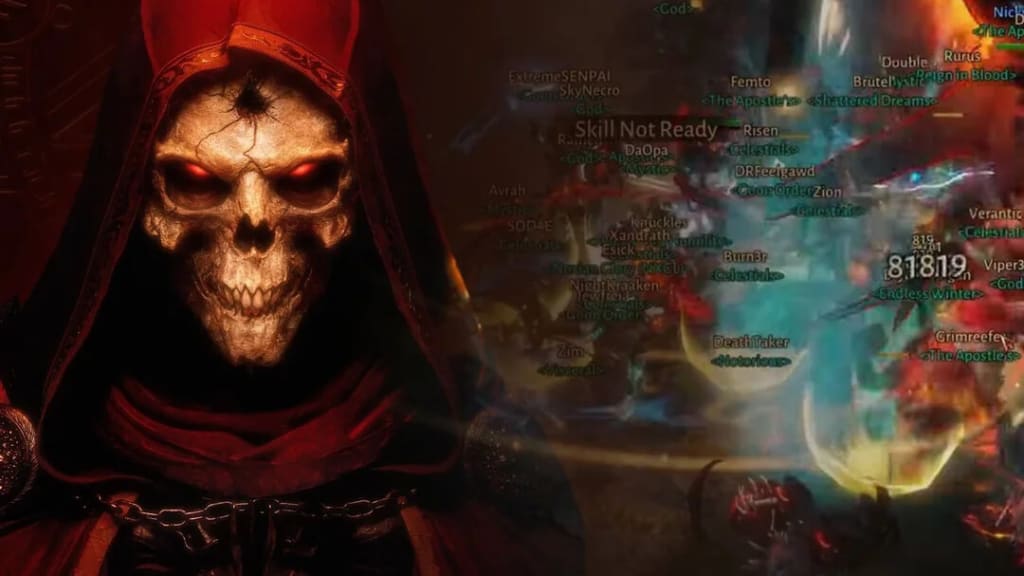
Mobile action RPGs inspired by Diablo have exploded in popularity, but one area continues to frustrate players: cooperative multiplayer. Despite being one of the biggest draws of hack‑and‑slash RPGs, co‑op on iOS often feels clunky, unreliable, or underdeveloped. Understanding why this happens—and what players are asking for—reveals a major opportunity for developers to create games that truly resonate with the ARPG community.
The Promise of Co‑op in Action RPGs
Co‑op has always been a cornerstone of Diablo‑style gameplay. It’s what makes slaying waves of demons more engaging and loot hunting more rewarding. On PC and consoles, multiplayer is seamless, with smooth matchmaking, shared loot systems, and built‑in voice chat. Players expect that same experience on mobile, but most iOS ARPGs fall short.
Why Multiplayer Feels Broken on Mobile ARPGs
Lag and Connection Instability
The number one complaint across forums and app reviews is network inconsistency. Many mobile ARPGs rely on peer‑to‑peer hosting rather than dedicated servers, leading to lag spikes, desynchronization, and even game crashes mid‑battle. Anyone who wants to develop their own iOS game quickly realizes that without stable server architecture, co‑op features struggle to keep players engaged. For users on slower connections, participating in raids or timed events can be nearly impossible.
Poor Matchmaking Systems
Unlike PC platforms that sort players by level, gear score, and region, many mobile games still match randomly. The result is overpowered characters steamrolling dungeons while lower‑level players can’t contribute meaningfully. This imbalance discourages team play and makes progression feel pointless.
Limited Communication Tools
In most iOS ARPGs, there’s no built‑in voice chat and only basic text messaging—if any at all. Without quick communication, coordinating strategies for boss fights or loot sharing is frustrating, especially for players joining public lobbies.
Monetization Models That Punish Team Play
Pay‑to‑win mechanics often disrupt co‑op balance. Games where progress is tied to microtransactions create massive gaps between free players and spenders. When one teammate can one‑shot every enemy while others struggle to survive, teamwork becomes irrelevant. This imbalance has caused a noticeable drop in long‑term engagement for titles that rely heavily on monetization over fair play.
What Players Are Asking For
Seamless Drop‑In, Drop‑Out Co‑op
Players want to join a friend’s game instantly without waiting through menus or region locks. Cross‑platform invites—such as joining from an iPad while another plays on Android—are also in high demand.
Dedicated Servers and Fair Matchmaking
Stable connections and latency‑free raids top every wishlist. Dedicated servers with matchmaking that balances level and gear score would bring mobile ARPGs closer to the polished co‑op experience of console games.
Shared Loot Without Drama
Loot disputes have plagued online ARPGs for years. The most praised systems—like those in Diablo III or Path of Exile—allow every player to receive individual drops, avoiding arguments and encouraging cooperation.
In‑Game Voice and Quick Pings
Voice chat integrated into the game (rather than requiring third‑party apps) is critical for fast coordination. Quick‑ping systems for “attack here,” “heal,” or “revive me” also improve team synergy without cluttering the UI.
Examples of Co‑op That Works Well
While most iOS ARPGs struggle with multiplayer, a few have made strides. Eternium’s low‑latency combat runs smoothly even on average networks, while Torchlight Infinite has experimented with shared world events that scale difficulty based on team size. These examples prove that strong co‑op is possible on mobile—it just requires prioritizing connectivity and fairness in the core design.
Why Fixing Co‑op Matters for Developers
Player retention in ARPGs is closely tied to social engagement. When friends can reliably play together, session lengths increase, in‑app purchases rise naturally, and games maintain active communities longer. In contrast, titles with poor co‑op systems often see a spike of downloads at launch, followed by rapid drop‑off as players lose interest.
Conclusion
Co‑op should be the most compelling feature of a mobile action RPG, yet it remains one of the weakest points in many Diablo‑style iOS titles. Lag, unbalanced matchmaking, and restrictive systems continue to undermine the promise of shared adventures. By focusing on seamless connectivity, fair progression, and social features that encourage teamwork, developers can deliver the co‑op experience players have been asking for—and transform a struggling feature into a long‑term advantage.
About the Creator
A Transparent Look at Vocal Challenges and Top Stories
Almost three years ago, we shared a resource article that served as a place for people to suggest new challenge prompts. We thought it would be a good idea to refresh that thread, and take the opportunity to answer a few common questions about top stories, how challenges are judged and how submissions are reviewed.
By Vocal Curation Team3 days ago in Resources



Comments
There are no comments for this story
Be the first to respond and start the conversation.