
Pokémon Card Value
A Complete Guide to Understanding and Maximizing Your Collection

Pokémon cards have been a beloved collectible since their debut in 1996, captivating fans with their stunning artwork and strategic gameplay.
Whether you're a seasoned collector or just starting out, understanding Pokémon card value is essential for building a valuable collection.
In this guide, we’ll explore the factors that determine card value, how to assess your cards, and tips for maximizing your collection’s worth.
What Determines Pokémon Card Value?
The value of a Pokémon card is influenced by several key factors. Here’s what collectors and investors look for:
1. Rarity
Common, Uncommon, and Rare: These are the basic rarity levels, with rare cards being more valuable.
Holo/Rare Holo: Holographic cards with shiny designs are more sought after.
Ultra Rare: Includes cards like EX, GX, V, and VMAX, which are highly valuable.
Secret Rare: Cards with unique numbering (e.g., 102/100) and special designs.
2. Condition
Mint: Perfect condition with no flaws.
Near Mint: Slight wear but still in excellent condition.
Played: Visible wear, such as scratches or creases.
Damaged: Significant wear, reducing the card’s value.
3. Edition
First Edition: Cards from the first print run (indicated by a “1st Edition” stamp) are highly valuable.
Shadowless: Early print runs without a shadow border, particularly for Base Set cards.
Unlimited: Later print runs, generally less valuable than first editions.
4. Popularity
Cards featuring fan-favorite Pokémon like Charizard, Pikachu, and Mewtwo tend to be more valuable.
Legendary and Mythical Pokémon also command higher prices.
5. Grading
Professional grading by companies like PSA (Professional Sports Authenticator) or Beckett can significantly increase a card’s value.
Graded cards are sealed in protective cases with a score (e.g., PSA 10 for mint condition).
How to Assess Your Pokémon Card Value
1. Identify the Card
Check the card’s name, set symbol, and number (e.g., Charizard from Base Set, 4/102).
Use online resources like Pokémon TCG databases or apps like TCGplayer to identify your card.
2. Check the Condition
Inspect the card for scratches, creases, whitening on the edges, and centering.
Compare your card to grading standards to estimate its condition.
3. Research Recent Sales
Use platforms like eBay, TCGplayer, or PriceCharting to see what similar cards have sold for.
Look for graded cards to get an idea of their premium value.
4. Get Professional Grading
For high-value cards, consider sending them to a grading service like PSA or Beckett.
Grading can increase the card’s value and make it easier to sell.
Top 5 Most Valuable Pokémon Cards
Here are some of the most valuable Pokémon cards to look out for:
1999 First Edition Shadowless Charizard (Base Set)
Value: $300,000+ (PSA 10)
The holy grail of Pokémon cards.

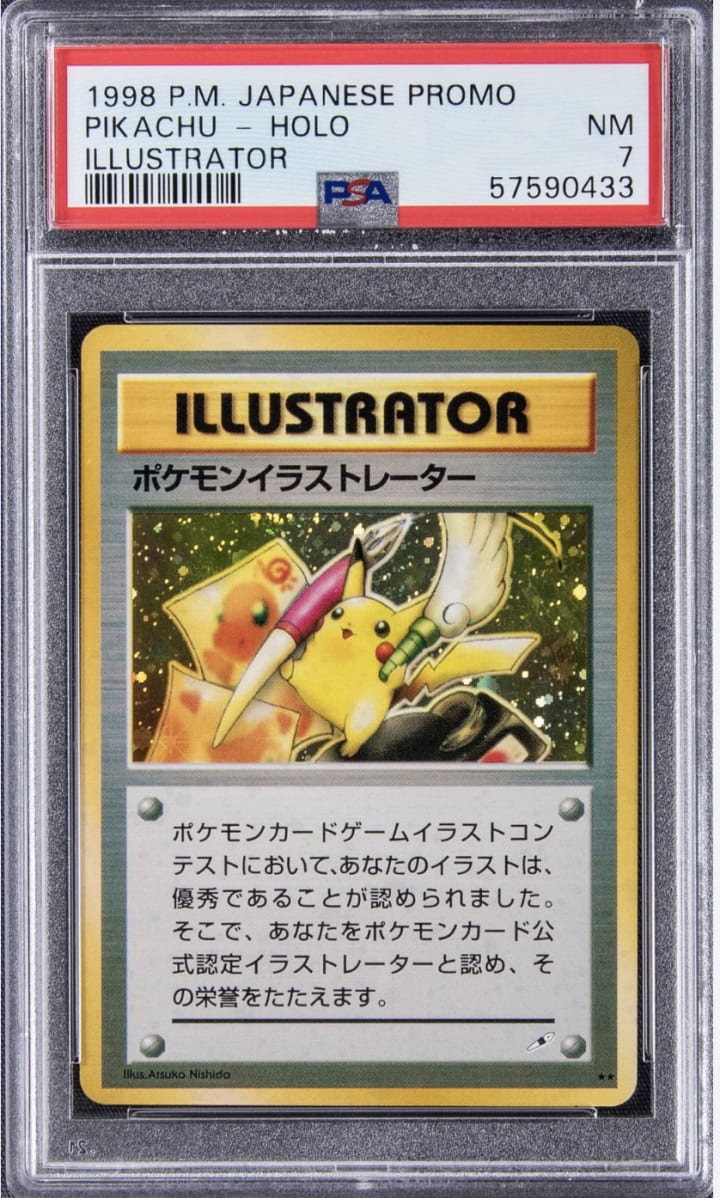
Pikachu Illustrator (1998)
Value: $5 million+ (only 39 copies exist)
Awarded to winners of a Japanese illustration contest.
Blastoise First Edition Shadowless (Base Set)
Value: $30,000+ (PSA 10)
A highly sought-after card from the original set.

Lugia First Edition (Neo Genesis)
Value: $20,000+ (PSA 10)
A fan-favorite Legendary Pokémon.

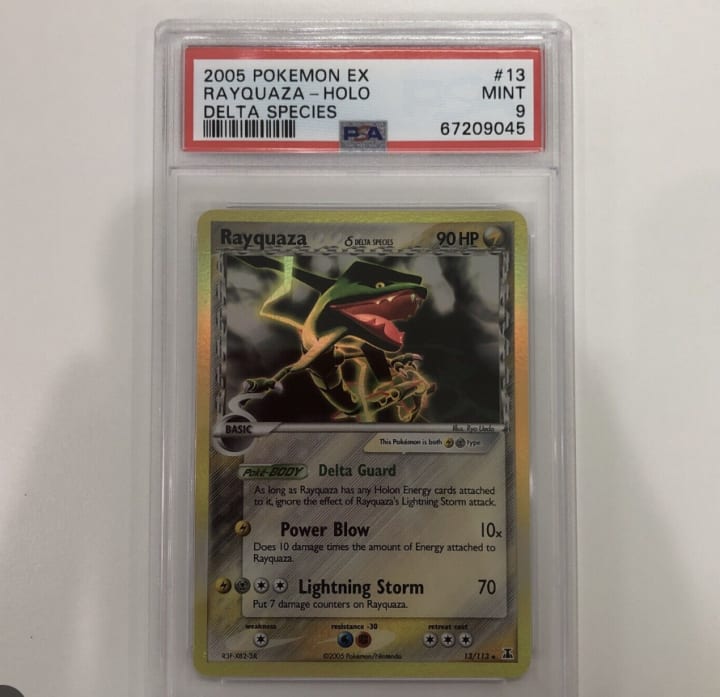
Rayquaza Star (Delta Species)
Value: $10,000+ (PSA 10)
A rare and stunning card from the EX era.
Tips for Maximizing Your Pokémon Card Value
1. Protect Your Cards
Use sleeves and toploaders to prevent damage.
Store cards in a cool, dry place away from direct sunlight.
2. Buy and Sell Strategically
Invest in high-demand cards like Charizard, Pikachu, and rare holos.
Sell during peak demand periods, such as when new Pokémon games or movies are released.
3. Stay Informed
Follow Pokémon TCG news, trends, and market updates.
Join online communities like Reddit’s r/PokemonTCG to learn from other collectors.
4. Grade Your Cards
Grading adds credibility and can significantly increase a card’s value.
Focus on grading rare, first edition, or mint-condition cards.
5. Diversify Your Collection
Collect cards from different sets and eras to appeal to a wider audience.
Include both vintage and modern cards to balance your collection.
Frequently Asked Questions (FAQs)
1. How do I know if my Pokémon cards are valuable?
Check the card’s rarity, condition, edition, and recent sales on platforms like eBay or TCGplayer.
2. What’s the best way to sell Pokémon cards?
Use online marketplaces like eBay, TCGplayer, or local Facebook groups. For high-value cards, consider auction houses or grading services.
3. Are modern Pokémon cards worth collecting?
Yes, modern cards like Rainbow Rares, Alt Arts, and Secret Rares can be valuable, especially if they feature popular Pokémon.
4. Should I open Pokémon card packs or keep them sealed?
Sealed packs, especially from older sets, can appreciate in value over time. However, opening packs can yield rare and valuable cards.
5. How do I protect my Pokémon cards from damage?
Use sleeves, toploaders, and storage boxes designed for trading cards. Avoid handling cards without clean hands.
Conclusion
Understanding Pokémon card value is key to building a valuable and rewarding collection.
By focusing on rarity, condition, and market trends, you can identify high-value cards and make informed decisions about buying, selling, and protecting your collection.
Whether you're a casual collector or a serious investor, the world of Pokémon cards offers endless opportunities for discovery and excitement.
So grab your binder, dust off your old cards, and start exploring the fascinating world of Pokémon card collecting.
With a little knowledge and care, you could uncover a hidden treasure in your collection!
About the Creator
Arctic Plunge Gear
I’m passionate about cold therapy and wellness. Explore more at https://arcticplungegear.com/
Keep reading
More stories from Arctic Plunge Gear and writers in Gamers and other communities.
Paddle Tennis vs Pickleball
When it comes to racquet sports, paddle tennis and pickleball are two of the fastest-growing games in the world. Both sports offer a unique blend of fun, fitness, and social interaction, making them popular choices for players of all ages.
By Arctic Plunge Gear12 months ago in Longevity
Gears 5 Will Shock You With Its Darkest Story Yet on Xbox
Few action games manage to combine raw intensity with emotional storytelling as effectively as Gears 5. As a key title from Xbox, it carries forward a legacy built on explosive combat while daring to explore deeper, more personal themes. This balance between spectacle and substance is what makes the experience stand out.
By Lukáš Hrdlička6 days ago in Gamers




Comments
There are no comments for this story
Be the first to respond and start the conversation.