
PEACEKEEPERS Review – A Shooter Where Every Mission Matters
PEACEKEEPERS: A Shooter That Blends Action With Purpose

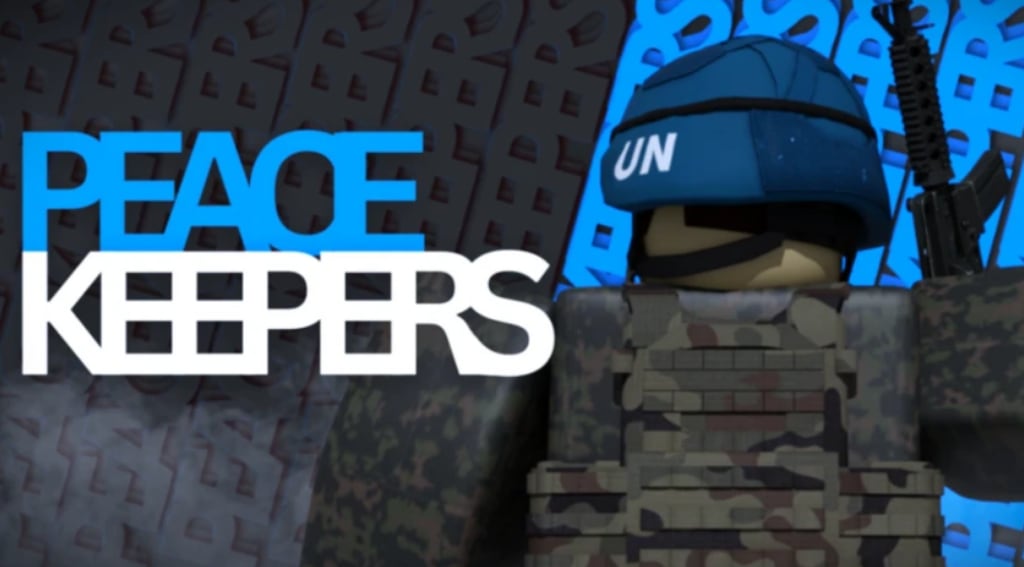
The first time I launched PEACEKEEPERS, I expected a typical first-person shooter full of relentless firefights and nothing but explosions. And yes, the game delivers those adrenaline-packed firefights in spades—but it quickly became clear this isn’t just another run-and-gun military simulator. Instead, PEACEKEEPERS adds a very human layer to its gameplay. You’re not just a faceless soldier mowing down enemies. You’re an operative deployed to fragile regions around the globe, trying to bring stability where chaos reigns.
From the very beginning, I felt the weight of responsibility on my shoulders. Missions don’t just end when the last bullet is fired. Instead, you’re tasked with clearing out hostile forces, but also rebuilding, creating safe zones, and supporting communities. That combination of combat and humanitarian objectives is what truly sets PEACEKEEPERS apart.
And here’s a little bonus worth knowing: the game actually has codes you can use to unlock rewards. These codes provide boosts, resources, and sometimes even cosmetic upgrades that make the grind easier and the experience more enjoyable. It’s one of those small touches that makes the journey smoother, especially when you’re just starting out.
The Heat of Tactical Combat
Let’s be honest—if you love shooters, you’re going to care most about how the gunplay feels. And in PEACEKEEPERS, it feels sharp, weighty, and visceral. The game’s tactical combat demands more than just reflexes. Rushing blindly into a firefight almost always ends in disaster. Instead, you have to move carefully, use cover wisely, and coordinate with your AI or human teammates.
One mission that stuck with me involved a hostage rescue deep in an urban warzone. The enemies weren’t just standing around waiting to get shot; they flanked, threw grenades, and used the environment to their advantage. I remember crawling through debris, trying to line up a shot on a sniper that had my squad pinned down, all while keeping in mind that civilians were inside the building I was breaching. The tension was electric, and when I finally cleared the room and got the hostages out, I wasn’t just relieved—I was genuinely proud.
That’s the magic of PEACEKEEPERS. It creates moments where your victories feel earned, not scripted. Every bullet counts, every choice matters, and every mistake can spiral into chaos.
Building Beyond the Battlefield
But here’s where things get even more interesting: once the dust settles, the mission isn’t over. Instead of just ticking off a checklist, PEACEKEEPERS asks you to stay and contribute to rebuilding the region. You might be tasked with setting up aid centers, securing medical supplies, or even constructing infrastructure that helps locals rebuild their lives.
It’s a fascinating layer that transforms the game from being purely about destruction to being about creation as well. I’ve had missions where I was running security while supplies were distributed, or escorting engineers who were trying to fix a power station in a war-torn neighborhood. The shift from raw combat to practical support creates a sense of purpose.
And honestly, that’s rare in shooters. Too often, games focus only on the thrill of conflict, forgetting that wars leave scars and that rebuilding is just as vital. PEACEKEEPERS doesn’t let you ignore that reality. It makes you care about the aftermath, about the people, and about the broader consequences of your actions.
Progression That Feels Rewarding
Another aspect that kept me hooked was the progression system. As you complete missions, you earn money, experience, and resources. These aren’t just arbitrary numbers—they directly influence how you strengthen your operations. Do you invest in better gear for your squad? Do you build more support systems for the communities you’re protecting? Or do you prioritize expanding your own tactical capabilities?
I often found myself weighing these decisions carefully. For example, spending resources on more advanced weapons made firefights smoother, but investing in community projects improved local stability, which opened up new mission types and rewards. The balance between self-improvement and external support creates a satisfying gameplay loop where every choice feels meaningful.
And yes, those reward codes I mentioned earlier? They can give you a leg up in these moments, whether by granting extra resources or unlocking special items that might otherwise take hours to grind for. It’s not game-breaking, but it’s definitely a welcome boost.
The Emotional Pull of Being a “Peacekeeper”
What surprised me most about PEACEKEEPERS wasn’t just the mechanics—it was how much it made me reflect on the role of soldiers and operatives in real-world conflict zones. The game doesn’t shy away from showing you the human cost of violence. After missions, you often see the faces of the people you’ve helped—or the wreckage left behind if you fail.
One time, I botched a mission trying to go in guns blazing. Instead of carefully breaching and clearing, I went loud, and in the chaos, a civilian was injured. The game didn’t just reset and pretend nothing happened. It lingered. The consequences carried over, affecting how the locals viewed my presence in future missions. That hit me hard, and it changed how I approached the game afterward.
There’s an emotional resonance in PEACEKEEPERS that you don’t find in many shooters. It asks you to think not just like a soldier, but like a human being trying to navigate impossible situations.
Multiplayer and Team Dynamics
No review would be complete without mentioning the multiplayer aspect. Playing PEACEKEEPERS with friends adds a whole new level of immersion. Coordinating tactical maneuvers, covering each other during intense firefights, and working together to stabilize communities makes the game feel alive in a way solo play just can’t fully capture.
I remember one mission where my squad and I were split into two teams—one group holding off waves of enemies at a checkpoint while the other rushed to set up a medical evacuation site. The level of coordination required was insane, but pulling it off felt like the ultimate reward. We weren’t just playing a shooter—we were genuinely embodying the spirit of peacekeepers.
Final Thoughts
PEACEKEEPERS isn’t just another FPS. It’s a game that dares to mix adrenaline-pumping action with the deeper responsibility of rebuilding and supporting communities. The combination of tactical combat, meaningful progression, and humanitarian elements creates something unique and memorable.
Yes, it scratches the itch for anyone who loves intense firefights. But it also does more than that—it makes you care, it makes you think, and it makes you feel the weight of your role. And with the addition of codes that help unlock rewards and streamline progression, the game feels accessible without sacrificing challenge.
For me, the beauty of PEACEKEEPERS is that it constantly reminds you that every bullet fired, every wall breached, and every supply line secured isn’t just about winning—it’s about making a difference.
About the Creator
Keep reading
More stories from Serhii Biloshytskyi and writers in Gamers and other communities.
Girls’ Frontline II: Exilium Updates Gacha and Rewards
If you’ve been following Girls’ Frontline II: Exilium, you probably know how much chatter there has been around the game’s gacha system. Well, the developers recently took player feedback to heart and announced some notable changes. After an offline meeting on August 17, the team shared adjustments that promise to reshape how we interact with banners, outfits, and even furniture. I’ve been playing since the early beta, so seeing these changes in action felt like a breath of fresh air… but with a few caveats.
By Serhii Biloshytskyi7 months ago in Gamers
Thief In The Night
To the thief in the night that took and replicated what once was mine: Honestly, I feel kind of bad for you. It’s funny, because we hardly know each other. I only know of you through the magazines you’ve written and the broadcasts you have televised in the past — as well as through the public mentions of you from your show business connections there.
By Snarky Lisa7 days ago in Humans




Comments
There are no comments for this story
Be the first to respond and start the conversation.