
Introduction
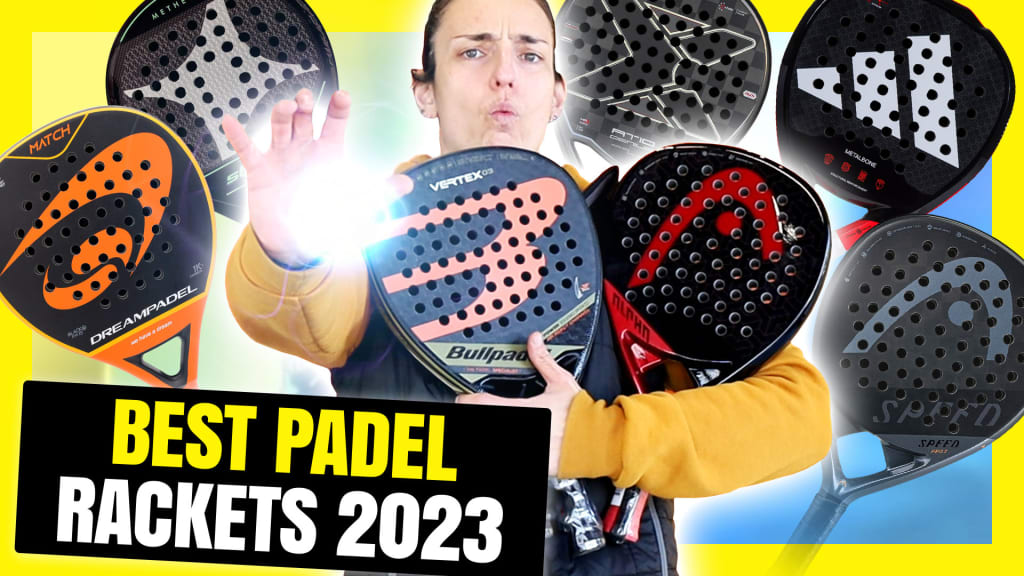
Padel is a racquet sport that originated in Mexico in the late 1960s, and quickly spread to other Spanish-speaking countries. It is now one of the fastest-growing sports in the world, with millions of players enjoying it both recreationally and competitively. One of the key elements of the sport is the padel racket, which plays an essential role in the gameplay. In this article, we'll take a closer look at the padel racket, including its components, materials, and design.
Components of a Padel Racket
The padel racket is composed of several key components, each of which plays a vital role in its performance. These components include the grip, the frame, the face, and the core.
The Grip
The grip is the part of the padel racket that the player holds onto. It is typically made of a combination of synthetic materials, such as polyurethane or rubber, and is designed to provide a comfortable and secure grip for the player. The grip size can vary depending on the player's preference, with larger grips providing more comfort, and smaller grips providing more control.
The Frame
The frame is the main body of the padel racket, and is responsible for providing structural stability and strength. It is typically made of a combination of materials, such as carbon fiber, fiberglass, and/or Kevlar, which help to absorb shock and provide a more durable and long-lasting racket. The frame can vary in shape and thickness, depending on the player's preference and playing style.
The Face
The face is the flat part of the padel racket that comes into contact with the ball. It is typically made of a combination of materials, such as graphite or fiberglass, and is designed to provide a large sweet spot and optimal power transfer. The face can also vary in texture and pattern, with some rackets featuring a rougher surface for increased spin potential.
The Core
The core is the innermost part of the padel racket, and is responsible for absorbing shock and providing a more responsive feel. It is typically made of materials such as foam, EVA, or rubber, which help to reduce vibrations and improve overall racket performance.
Materials Used in Padel Rackets
The materials used in padel rackets can vary greatly, depending on the desired performance characteristics and price point. Some of the most common materials used in padel rackets include:
Carbon Fiber
Carbon fiber is a lightweight and durable material that is often used in high-end padel rackets. It is known for its stiffness and strength, which provides a more powerful and responsive racket. However, carbon fiber rackets can be quite expensive, making them less accessible for recreational players.
Fiberglass
Fiberglass is a more affordable material that is often used in entry-level or intermediate padel rackets. It is less stiff than carbon fiber, but still provides a good balance of power and control. Fiberglass rackets are also typically more durable than carbon fiber rackets, making them a good choice for players who are just starting out.
Kevlar
Kevlar is a synthetic material that is known for its strength and resistance to impact. It is often used in combination with other materials, such as carbon fiber or fiberglass, to provide added durability and shock absorption. Kevlar is typically found in high-end padel rackets, and can add significantly to the price of the racket.
Design Features of Padel Rackets
In addition to the materials used, padel rackets can also vary in their design features. Some of the most common design features include:
Shape
Padel rackets can come in a variety of shapes, including teardrop, diamond, and round. The shape of the racket can impact its balance and sweet spot, as well as
About the Creator
Assassin’s Creed Valhalla Will Drag You Into a Viking Adventure You Can’t Escape
Few games combine historical immersion, epic storytelling, and open world exploration as effectively as Assassin’s Creed Valhalla. Developed by Ubisoft and released on Xbox, it offers a sprawling Viking saga where every choice matters and every conquest leaves a mark. The game is not just about battles; it is about building a life, a legacy, and a community in a turbulent and violent world.
By Lukáš Hrdlička5 days ago in Gamers



Comments
There are no comments for this story
Be the first to respond and start the conversation.