
THE RELATIONSHIP BETWEEN THE OLYMPICS AND MEDIA COVERAGE
Olympics and Media: A Symbiotic Relationship Shaping Global Perception.

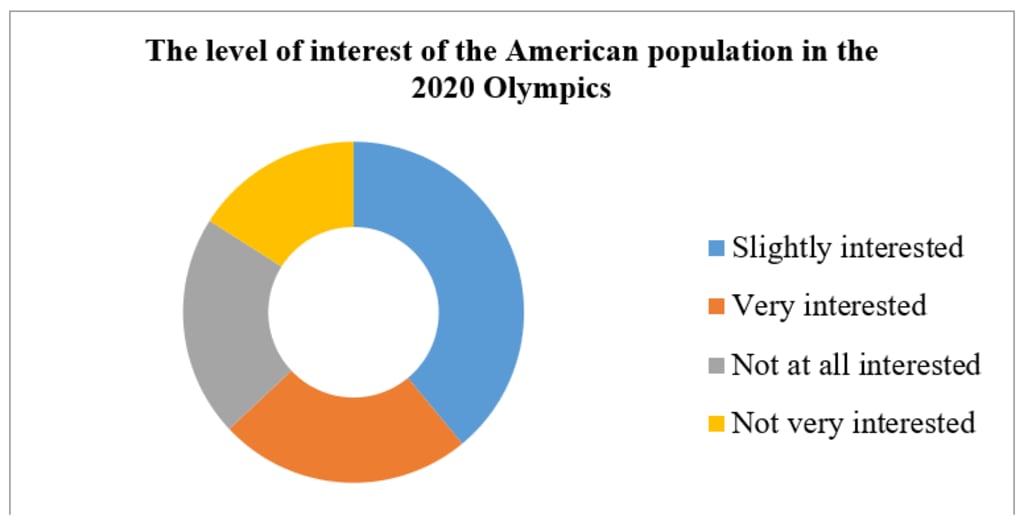
The Olympics, a global sporting spectacle, is much more than a competition; it is a platform that intertwines sports, culture, politics, and media on a global scale. Media coverage plays a pivotal role in shaping how the Games are perceived, experienced, and remembered by billions worldwide. From its early roots in print and radio to the contemporary dominance of digital and social media, the relationship between the Olympics and media has evolved significantly, reflecting broader societal changes.
Historical Evolution of Olympic Media Coverage
The relationship between the Olympics and media began with the inaugural modern Games in Athens in 1896, where coverage was limited to newspapers. Print media focused on documenting results and the novelty of the Games. As technology evolved, the 20th century witnessed radio broadcasting emerge as a medium to bring live updates to a wider audience. The 1936 Berlin Olympics marked a significant milestone with the first-ever live television broadcast, albeit limited to local audiences.
By the mid-20th century, the advent of satellite technology transformed Olympic coverage, allowing live global broadcasts. The 1964 Tokyo Olympics were the first to be televised internationally, marking the Games as a global media event. Over time, color broadcasts, advanced filming techniques, and expert commentary became staples, enhancing viewer experience.
The rise of the internet and digital media in the 21st century brought another transformation. The 2000 Sydney Olympics introduced live streaming, expanding access to events beyond traditional TV audiences. Social media platforms like Twitter, Instagram, and TikTok have since become integral to coverage, enabling real-time updates, interactive discussions, and user-generated content.
Media’s Role in Popularizing the Olympics
Media coverage has been instrumental in elevating the Olympics to one of the most-watched events in the world. The global reach of media networks like NBC, BBC, and CCTV ensures that the Games transcend geographical and cultural barriers, fostering a sense of shared global identity.
The storytelling aspect of media coverage plays a critical role. Narratives about athletes overcoming adversity, national pride, or record-breaking performances captivate audiences. For instance, stories like Usain Bolt's dominance in sprinting or Simone Biles' groundbreaking achievements in gymnastics have been amplified through extensive media focus, turning these athletes into global icons.
Additionally, the media's role extends beyond live broadcasts. Pre-Games promotions, athlete profiles, and historical retrospectives build anticipation, while post-event analyses and documentaries preserve the Games' legacy.
Economic Impacts of Media Coverage
Media coverage is a significant source of revenue for the International Olympic Committee (IOC) and host nations. The sale of broadcasting rights to networks worldwide generates billions of dollars. For example, NBCUniversal reportedly paid $7.75 billion for broadcasting rights from 2022 to 2032. These funds are crucial for organizing the Games and supporting Olympic committees and athletes globally.
Moreover, the extensive media exposure benefits host cities by promoting tourism and investment. The 2012 London Olympics, for instance, leveraged media coverage to highlight the city's cultural and historical attractions, contributing to an increase in international visitors post-Games.
Challenges in Olympic Media Coverage
Despite its benefits, Olympic media coverage is not without challenges. One major concern is the disproportionate focus on certain sports and athletes, often driven by ratings and commercial interests. This creates an imbalance, sidelining less popular sports and athletes from smaller nations.
Another issue is the politicization of coverage. The Olympics often serve as a stage for geopolitical tensions, with media narratives sometimes reflecting biases or promoting political agendas. For instance, the coverage of the 1980 Moscow Olympics and the 1984 Los Angeles Olympics highlighted the Cold War rivalry.
Social media, while democratizing Olympic coverage, also poses challenges such as misinformation, athlete harassment, and unauthorized streaming. The IOC and media organizations must navigate these issues to protect the integrity of the Games and ensure fair representation.
The Digital Revolution and the Olympics
The digital age has redefined how audiences engage with the Olympics. Social media platforms enable fans to interact directly with athletes, share highlights, and participate in global conversations. For example, hashtags like #Tokyo2020 or #Rio2016 trended worldwide during recent Games, fostering a sense of community among viewers.
Streaming platforms and on-demand services have further revolutionized access. Viewers can now watch events in real-time or catch up later, tailored to their schedules and preferences. This shift has also led to a more personalized viewing experience, with options to focus on specific sports, countries, or athletes.
End
The relationship between the Olympics and media coverage is symbiotic. Media not only broadcasts the Games but also shapes their narratives, amplifies their impact, and preserves their legacy. As technology continues to evolve, the dynamics of this relationship will likely grow more interactive and inclusive, enhancing the Olympic experience for global audiences. However, addressing challenges such as unequal representation and misinformation will be key to sustaining the integrity and universal appeal of the Games. The partnership between the Olympics and media ensures that the Games remain a celebration of athletic excellence, cultural diversity, and shared humanity.
About the Creator
Badhan Sen
Myself Badhan, I am a professional writer.I like to share some stories with my friends.
Keep reading
More stories from Badhan Sen and writers in Gamers and other communities.
THE INFLUENCE OF OLYMPIC SPONSORSHIP AND COMMERCIALIZATION
The Olympic Games, a global celebration of athletic excellence, have evolved from a purely sports-focused event into a commercial spectacle driven by sponsorship and marketing. Over the years, the influence of sponsorship and commercialization on the Olympics has transformed not only the financial landscape of the Games but also its cultural, social, and ethical dimensions. This essay explores how sponsorship and commercialization have shaped the Olympics, highlighting both their positive contributions and their challenges.
By Badhan Senabout a year ago in Gamers
U4gm How Negative Rarity Farming Is Changing PoE 2 Endgame
Path of Exile 2 is all about loot, but not all loot is equal. Recently, an unusual strategy has gained traction among endgame players: Negative Rarity farming. At first glance, it seems counterintuitive—why would anyone want fewer rare drops? The answer lies in efficiency, crafting control, and consistent profit. Negative Rarity farming in PoE 2 turns seemingly worthless white items into a reliable and strategic source of crafting materials and steady endgame profit.
By Billo Nali4 days ago in Gamers
How to Succeed at the Benson Directory®
Congratulations and welcome to the Benson Directory® employee #22391! As our newest call handler, you will have the privilege of speaking with dozens of unique and interesting people on a daily basis as well as the opportunity to earn bonuses for high performance. Contained within this handbook you will find a set of ease to follow instructions designed to help you settle in to your new role and begin paving the way to success.
By S. A. Crawfordabout 15 hours ago in Fiction


Comments (1)
Media coverage is good, but I think the commentators seem to concentrate on interviews with the athletes and these up close and personal stories and tours of the countries instead of just showing the events. I feel like most times we miss the events for they are showing clips of the city or interviewing an athlete.