
OLYMPIC ATHLETES AND THE FIGHT FOR WORKER'S RIGHTS
Examining the Struggle of Olympic Athletes for Fair Treatment and Labor Rights.

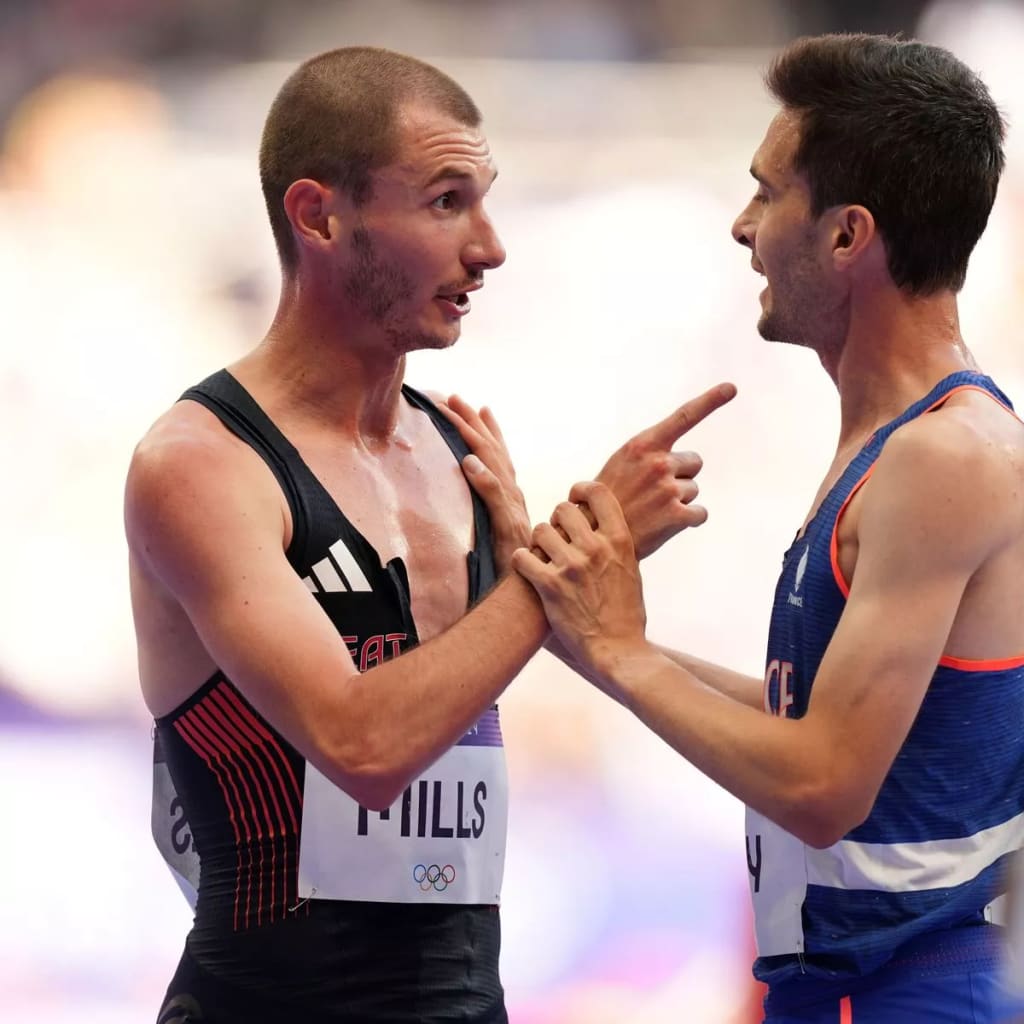
Olympic athletes, often celebrated for their extraordinary physical prowess and achievements on the global stage, face a unique set of challenges that stretch beyond the athletic arena. While they may appear to be part of an elite class of international performers, many athletes, particularly those in less commercially prominent sports, experience significant struggles related to labor rights. From exploitative contracts and sponsorship deals to a lack of healthcare and financial security, Olympic athletes have increasingly found themselves caught in a broader conversation about workers’ rights.
The Role of the Olympics in Global Economy
The Olympics, a global event watched by millions, is not just about sports but also about economics. The Games generate billions of dollars through broadcasting rights, corporate sponsorships, and ticket sales. These profits flow into the pockets of the International Olympic Committee (IOC), national Olympic committees, and various corporate sponsors, yet the athletes themselves often receive only a small fraction of this wealth. In fact, the athletes who are the main attraction of the event may be treated as disposable commodities, with little to no long-term security once their careers are over.
While athletes are often treated as celebrities during the Games, they are primarily independent contractors. This means they bear the responsibility of funding their training, travel, and living expenses. Unlike other workers, they do not enjoy the protections and benefits typical of a full-time job, such as health insurance, retirement benefits, or job security. In some countries, athletes may not even receive direct financial compensation for competing in the Olympics, especially if they are not sponsored by major companies.
Exploitative Sponsorship Deals and Sponsorship Pressures
The commercialization of sports has made sponsorship deals central to an athlete’s ability to make a living. However, these deals can often be exploitative, with athletes signing contracts that heavily favor the brands. Sponsorships may require athletes to perform certain actions or limit their personal choices in exchange for funding. This can put a strain on athletes who have little bargaining power, especially in sports with less media attention and lower levels of commercial sponsorship.
In addition, many athletes feel pressured to uphold a "perfect" image, leading to mental health struggles. The pressure to perform, maintain a specific body image, or behave in a certain way can exacerbate stress, anxiety, and depression. Athletes often face an intense public microscope, and the emotional toll can be significant. With limited access to psychological care, many athletes are left to cope with these challenges on their own, a situation that worsens when sponsorships or Olympic endorsements are at risk.
Lack of Long-Term Security
Another critical issue that athletes face is the lack of long-term financial security. Unlike other workers who receive retirement benefits or pensions, Olympic athletes have to plan for their future without knowing how long their careers will last. A career-ending injury or failure to perform at a high level could instantly derail their earning potential.
The pressure to perform can force athletes into precarious situations where they are reluctant to take breaks or seek medical treatment, for fear of losing out on sponsorships or competitive opportunities. This lack of long-term security is further exacerbated by the fact that the window for an athlete’s prime performance is often short. For instance, sprinters and gymnasts may have only a few years in which they can compete at an elite level. Once this window closes, they often have no fallback plans.
Calls for Change and Athlete Activism
As awareness of these issues grows, more athletes are speaking out about the need for workers’ rights in the Olympic community. A powerful example of this was seen in the 2020 Tokyo Olympics, where several athletes used their platform to advocate for social justice and workers' rights. The “Black Lives Matter” movement, gender equality in sports, and labor exploitation were some of the major topics raised by athletes, both during the Games and in the lead-up to them.
In 2021, U.S. Olympic athletes such as Gwen Berry, who raised her fist in protest during the national anthem at the U.S. Olympic Trials, highlighted the ways in which athletes can use their fame to challenge systemic inequalities. The #WeAreMore movement, a coalition of athletes advocating for better pay and benefits, has also gained traction, pressuring the IOC and various national sports organizations to address labor conditions.
Some Olympic organizations have begun to listen to these concerns. In response to demands for better compensation and working conditions, the IOC introduced new policies aimed at providing more benefits for athletes. These include better protection for athletes in terms of their right to compete while managing mental health issues, as well as expanding the scope of funding opportunities for Olympians from smaller, less commercially successful sports.
Conclusion: The Need for Worker’s Rights
While the spotlight on Olympic athletes often focuses on their performances, it is crucial to recognize the underlying systemic issues they face as workers. These athletes, though revered on the world stage, deserve the same protections and rights that other workers receive. From fair sponsorship contracts and health insurance to long-term financial planning, the fight for worker’s rights in the world of Olympic sports is just beginning.
As athlete activism continues to grow, there is hope that the exploitation and precarity often faced by Olympians will become a thing of the past. Until then, the fight for fair compensation,and the recognition of athletes as workers remains an essential part of the broader struggle for workers’ rights Globally.
About the Creator
Badhan Sen
Myself Badhan, I am a professional writer.I like to share some stories with my friends.
Keep reading
More stories from Badhan Sen and writers in Gamers and other communities.
THE ROLE OF THE OLYMPICS IN PROMOTING INTERNATIONAL COOPERATION
The Olympics, an event that brings together athletes from around the world to compete in various sports, has evolved over the years to become a symbol of international cooperation. Founded by Pierre de Coubertin in 1896, the modern Olympic Games were conceived not only as a sporting event but also as an opportunity for nations to come together in peace and mutual respect. Today, the Olympics continue to play a significant role in promoting international cooperation, despite the challenges and controversies that sometimes arise.
By Badhan Senabout a year ago in Gamers
Slay the Spire 2 Review: A Worthy Sequel That Builds on a Legendary Roguelike
If you’re a fan of deck-building roguelikes, chances are you’ve already heard about Slay the Spire 2. The sequel to the beloved Slay the Spire has been one of the most anticipated strategy games in recent years, especially among players who love card-based combat systems mixed with roguelike progression.
By Bella Anderson6 days ago in Gamers
The Honed Ashlar, Part 1 of 5
Part 1: The Scaffolding of Ruin The bus ride into the city had felt like being swallowed by a cold, metallic throat. Silas leaned his forehead against the vibrating window of the Greyhound, watching the California coastline transform from a dream of salt and gold into a nightmare of concrete ribs. To everyone else on the bus, the skyline of Tinseltown was a promise—a soaring monument to ambition. To Silas, it was a Structural Failure.
By Nathan McAllister4 days ago in Gamers


Comments
There are no comments for this story
Be the first to respond and start the conversation.