
Narrating an RPG Like a Game Designer: What GMs Can Learn from Video Games
How Video Game Design Principles Can Elevate Your Tabletop RPG Sessions

Tabletop RPGs and video games share a common goal: to immerse players in compelling narratives, engaging mechanics, and memorable challenges. While TTRPGs rely on imagination and improvisation, video games excel at structuring progression, pacing encounters, and maintaining player engagement. By borrowing techniques from game design, GMs can create more dynamic and satisfying experiences for their players. Let’s explore what game masters can learn from the digital realm and how to level up their campaigns.
1. Quests, Not Just Random Events
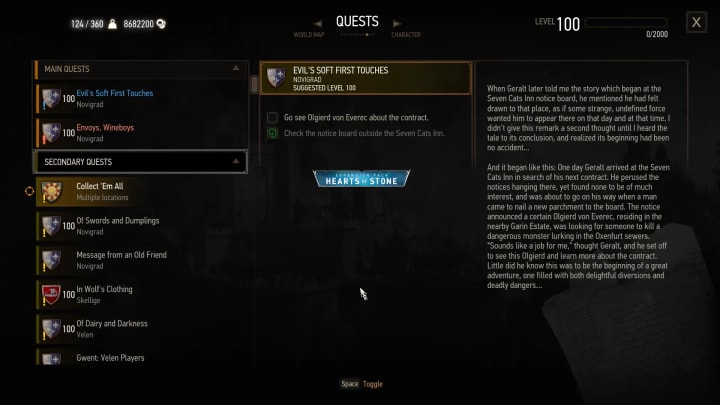
One of the biggest strengths of video games is their structured approach to quests. Open-world RPGs like The Witcher 3 or Skyrim keep players engaged by offering a mix of main story arcs, side quests, and emergent storytelling. GMs can adopt a similar approach by providing:
Main Plot Arcs: The overarching narrative that drives the campaign.
Side Quests: Optional objectives that flesh out the world and encourage exploration.
Emergent Scenarios: Player-driven events that arise from their choices, much like dynamic world interactions in Red Dead Redemption 2.
Rather than throwing encounters at your players arbitrarily, think in terms of structured storytelling. Even minor NPCs can have meaningful objectives, making the world feel alive and interconnected.
2. The Art of the Cliffhanger: Keeping Players Hooked
Great video games know exactly when to end a session or transition to the next big moment—just think about how The Last of Us or Persona 5 leave you craving the next scene. GMs can use similar techniques to make every session feel impactful and keep players eagerly anticipating the next game.
Session-End Cliffhangers: Instead of stopping at a natural rest point, cut the session at a moment of tension—right before a big revelation, a dice roll, or the start of a battle.
Story Beats with Momentum: Avoid long lulls; even downtime should have a purpose, whether it’s setting up intrigue or giving players time to strategize.
Foreshadowing Future Events: Drop hints about looming dangers or secret plots, much like how games tease upcoming boss fights or major twists.
A well-placed cliffhanger ensures players leave the session buzzing with excitement and counting the days until they can return to the adventure.
3. Encounter Design: Borrow from Boss Battles
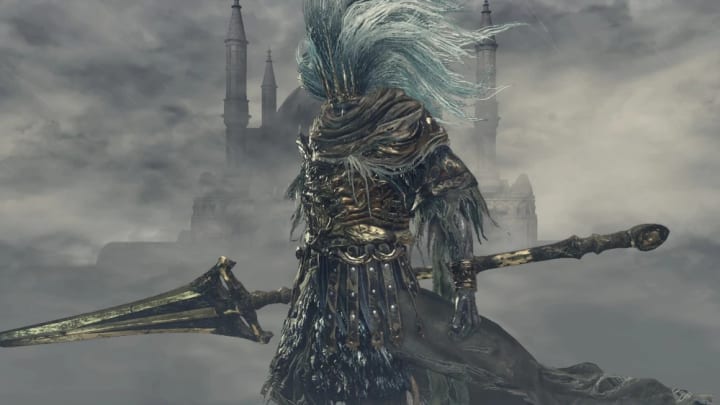
Video games rarely throw players into a fight without structure. The best games, from Dark Souls to Horizon Zero Dawn, introduce engaging enemy mechanics, varied battle phases, and environmental hazards. Why should tabletop RPGs be any different?
Consider the following for more exciting combat:
Multi-Phase Boss Fights: Instead of a static enemy, let bosses evolve mid-fight (gaining new abilities, changing form, summoning reinforcements).
Environmental Interaction: A collapsing bridge, lava flows, or unstable terrain forces players to think tactically.
Telegraphing Attacks: Instead of simply saying “The dragon breathes fire,” hint at an incoming attack (“The dragon inhales deeply, embers glowing in its throat”). This gives players a chance to react, adding tension and strategy.
4. Pacing and Progression: The XP Dilemma
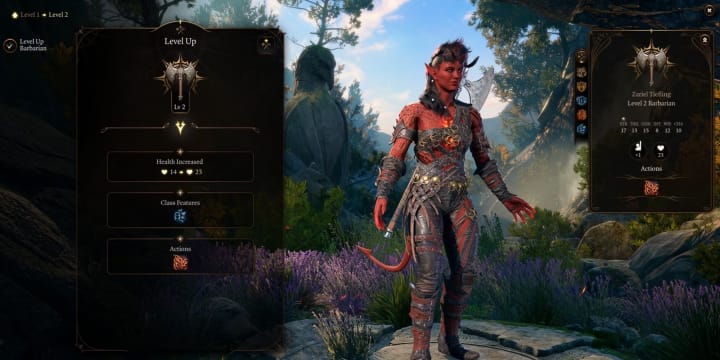
Games carefully balance progression to keep players engaged without overwhelming them. In RPGs like Baldur's Gate 3 or Diablo, players grow stronger gradually, facing escalating threats that keep them challenged but not frustrated.
For tabletop campaigns:
Control XP and Loot Flow: Instead of handing out rewards randomly, think about what milestones deserve meaningful progression.
Design Difficulty Curves: Early encounters should be forgiving, while late-game challenges should push players to use everything they’ve learned.
Use “Safe Zones” and Rest Periods: Games use town hubs, save points, and slow moments to balance high-energy encounters. Do the same by incorporating downtime, social interactions, or puzzle-solving segments.
5. NPCs as More Than Quest Givers
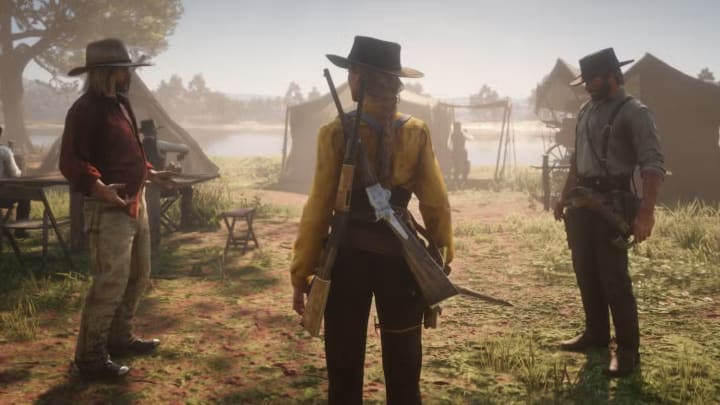
In great video games, NPCs don’t just exist to dispense quests—they have personalities, routines, and sometimes even agendas of their own (Red Dead Redemption 2 excels at this). In your campaign, avoid cardboard cutout NPCs by:
Giving key NPCs goals that exist independent of the players.
Making their dialogue reactive—if players insult a character, let it affect their interactions later.
Allowing NPCs to make their own moves—if a villain escapes, let them return stronger, not just wait in the same lair forever.
Conclusion: Be the Game Designer of Your Table
While tabletop RPGs offer infinite flexibility that video games can’t replicate, there’s no reason GMs shouldn’t take inspiration from the structured brilliance of game design. Whether it’s crafting quests with impact, designing smarter encounters, or keeping players engaged with meaningful progression, the lessons from video games can enhance your campaign significantly.
Next time you prepare a session, think like a game designer—because at the end of the day, you’re not just telling a story. You’re crafting an experience.
About the Creator
Bounty Hunter
RPG storyteller, worldbuilder and game designer exploring immersive narratives.
Keep reading
More stories from Bounty Hunter and writers in Gamers and other communities.
Unconventional Yet Fun: The Most Unique D&D 5E Character Builds You Need to Try
Breaking the Mold in D&D 5E Tired of seeing the same old class combinations at your table? While classics like the Great Weapon Fighter or Divine Smite Paladin are strong, there’s a whole world of unique and underused builds waiting to be explored. Whether you want to manipulate gravity, summon ghostly allies, or unleash arcane artillery, these builds offer a fresh and exciting way to experience D&D 5E.
By Bounty Hunter about a year ago in Gamers


Comments
There are no comments for this story
Be the first to respond and start the conversation.