
Mystery, Politics, or War? Choosing the Right Genre for Your D&D Campaign
Crafting the Tone, Themes, and Tension That Shape Memorable Adventures

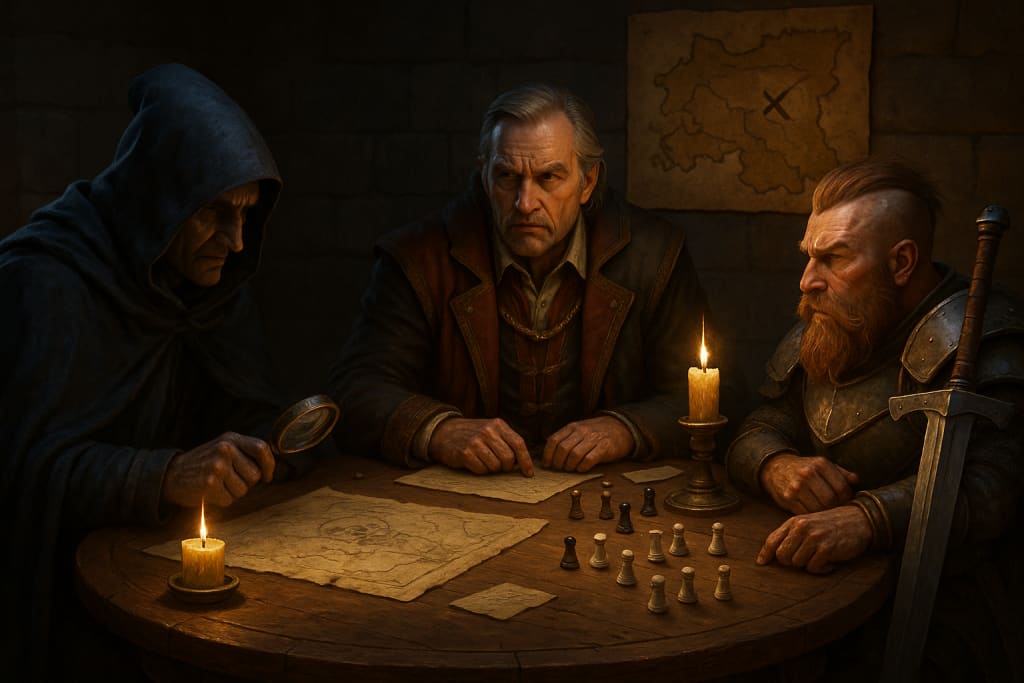
When you sit down to design a Dungeons & Dragons campaign, one of the most important, yet often overlooked, decisions you’ll make is choosing the primary genre.
This single choice sets the tone, influences player expectations, and shapes every narrative thread you weave. Whether you're aiming for the shadowy intrigue of a mystery, the high-stakes maneuvering of political drama, or the chaos and carnage of war, genre defines not just the story, but the way your players will interact with your world.
But how do you decide between these genres? What kinds of players thrive in each setting? And how do you blend genres without losing narrative focus?
Let’s dive into the deep end of genre selection for your next campaign.
Why Genre Matters in a D&D Campaign
At first glance, D&D might seem like a flexible sandbox where any story can unfold. While that’s true to a degree, genre acts as a narrative compass. It gives your campaign structure and helps both you and your players stay aligned in tone and expectation.
A mystery campaign demands curiosity and patience. Political drama requires players to think tactically and speak diplomatically.
War campaigns demand grit, sacrifice, and action-driven momentum. When you clarify the genre, you don’t just guide the story; you teach your players how to engage with the world.
Mystery Campaigns: Secrets, Clues, and Uncertainty
Mystery is a powerful genre in D&D, but it requires precision. It works best in tight-knit environments where secrets fester and every detail might matter. You’ll need to build a web of lies, red herrings, hidden motives, and layered truths. But the payoff? Deep immersion and satisfying revelation.
Why Choose Mystery?
- You enjoy crafting layered plots and twisting truths.
- Your players love solving puzzles, asking questions, and examining details.
- You want slower pacing with moments of sudden, high-stakes discovery.
Key Elements to Include
- A central question: Who killed the duke? What’s haunting the town? Where did the artifact go?
- Unreliable NPCs: Give every character a motive, secret, or alibi to complicate trust.
- Clue placement: Sprinkle clues naturally in dialogue, journals, locations, or magical effects. Let players connect the dots.
Challenges to Watch Out For
Mysteries can fall flat if clues are too obscure or if players feel railroaded. Avoid that by creating multiple ways to find each clue. Don't make a single failed roll derail the investigation. Instead, layer discoveries so players always feel like they're getting closer, even if they take the long way.
Political Campaigns: Schemes, Power, and Influence
A political campaign is less about swords and more about sentences. Players navigate power struggles, forge alliances, manipulate rivals, and manage the consequences of every whispered word.
These campaigns are ideal for groups who enjoy nuance, moral ambiguity, and character-driven drama.
Why Choose Politics?
- You love building factions, agendas, and ethical grey zones.
- Your players enjoy diplomacy, social intrigue, and long-term strategy.
- You want a campaign driven by character choices and interpersonal tension.
Key Elements to Include
- Factions with conflicting goals: Nobles, guilds, cults, foreign powers—each wants something.
- Reputation systems: Track how different groups perceive the party. Let choices ripple outward.
- Consequences that unfold slowly: One alliance may secure victory in the short term—but at what cost later?
Challenges to Watch Out For
Not all players enjoy complex dialogue or keeping track of political allegiances. To prevent burnout, blend in action beats, mysteries, or personal side quests. Keep momentum with small wins, and let players feel their influence growing over time.
War Campaigns: Combat, Sacrifice, and Epic Stakes
A war campaign is a high-octane blend of battle tactics, heroism, and the brutal cost of conflict. It’s about more than just rolling initiative—it’s about survival, morale, and changing the fate of nations.
This genre suits players who enjoy tactical combat, big-picture decisions, and the emotional impact of loss.
Why Choose War?
- You want large-scale stakes and cinematic battles.
- Your players love strategy, battlefield positioning, and gear optimization.
- You enjoy creating a living, breathing world with armies, frontlines, and shifting victories.
Key Elements to Include
- Dynamic battlefields: Include terrain, objectives, reinforcements, and hazards.
- Morale and resources: War isn't just about killing enemies. It's about feeding troops, managing supplies, and keeping spirits high.
- Dilemmas: Should the party save a village or hold the line? Should they assassinate a general or risk a siege?
Challenges to Watch Out For
Too much combat can slow narrative momentum and alienate story-focused players. Break up the fighting with espionage, emotional choices, or hard moral decisions. Let players be more than soldiers—they're symbols, leaders, and possibly legends.
Blending Genres: Striking the Right Balance
Not every campaign has to stay in a single lane. Some of the most memorable stories arise when genres overlap. A war campaign can have political intrigue. A mystery might unravel into a conspiracy that demands military action. The key is to decide which genre is dominant, and then let the others enrich it without diluting the focus.
When blending genres:
- Start with a core: Choose one genre as your foundation.
- Introduce others through story arcs: A political campaign might introduce a mystery subplot or pivot into war after failed negotiations.
- Maintain tonal consistency: Don’t let genre shifts feel like mood whiplash. Let them evolve naturally.
Matching Genre to Player Preferences
Above all, your campaign must speak to your players. Some love the rush of battle. Others want to debate with dukes. Still others live for solving puzzles in the dark. Before settling on a genre, talk to your group. Ask what kind of campaign excites them. Share genre descriptions and examples. Let everyone weigh in.
Creating a campaign isn’t just about your vision. It’s about shared storytelling—and genre is the framework that supports it.
Choosing Your Genre is Choosing Your Story
Every D&D campaign begins with a question. Not just what story you want to tell—but how you want to tell it.
Do you want to whisper secrets across candlelit halls? Do you want to stir rebellion in the courts of kings? Or do you want to charge across blood-soaked fields, banner raised high?
Mystery, politics, and war each bring their own flavor to the table. Each demands different tools, themes, and tones. But no matter which you choose, when genre and gameplay align, magic happens.
Choose your genre with intention. Build your world with care. And prepare your players for a journey shaped not just by dice, but by the kind of story only your table can tell.
About the Creator
Richard Bailey
I am currently working on expanding my writing topics and exploring different areas and topics of writing. I have a personal history with a very severe form of treatment-resistant major depressive disorder.
Keep reading
More stories from Richard Bailey and writers in Gamers and other communities.
The Real Life of a Professional Poker Player: Myths and Reality
The life of a professional poker player often looks exciting from the outside. Television broadcasts show dramatic all-in moments, massive tournament prizes, and players celebrating victories under bright casino lights. Social media also contributes to this image by highlighting success stories, luxury travel, and high-stakes games. Because of this exposure, many people believe that professional poker players live an easy and glamorous life.
By Micah Raskin Poker 7 days ago in Gamers
A System That Isn’t Working Challenge Winners
Systems promise order. They organize behavior, distribute opportunity, and suggest that if everyone follows the rules, things will work. The entries in A System That Isn’t Working look closely at what happens when that promise begins to slip.
By Vocal Curation Team5 days ago in Resources



Comments
There are no comments for this story
Be the first to respond and start the conversation.