
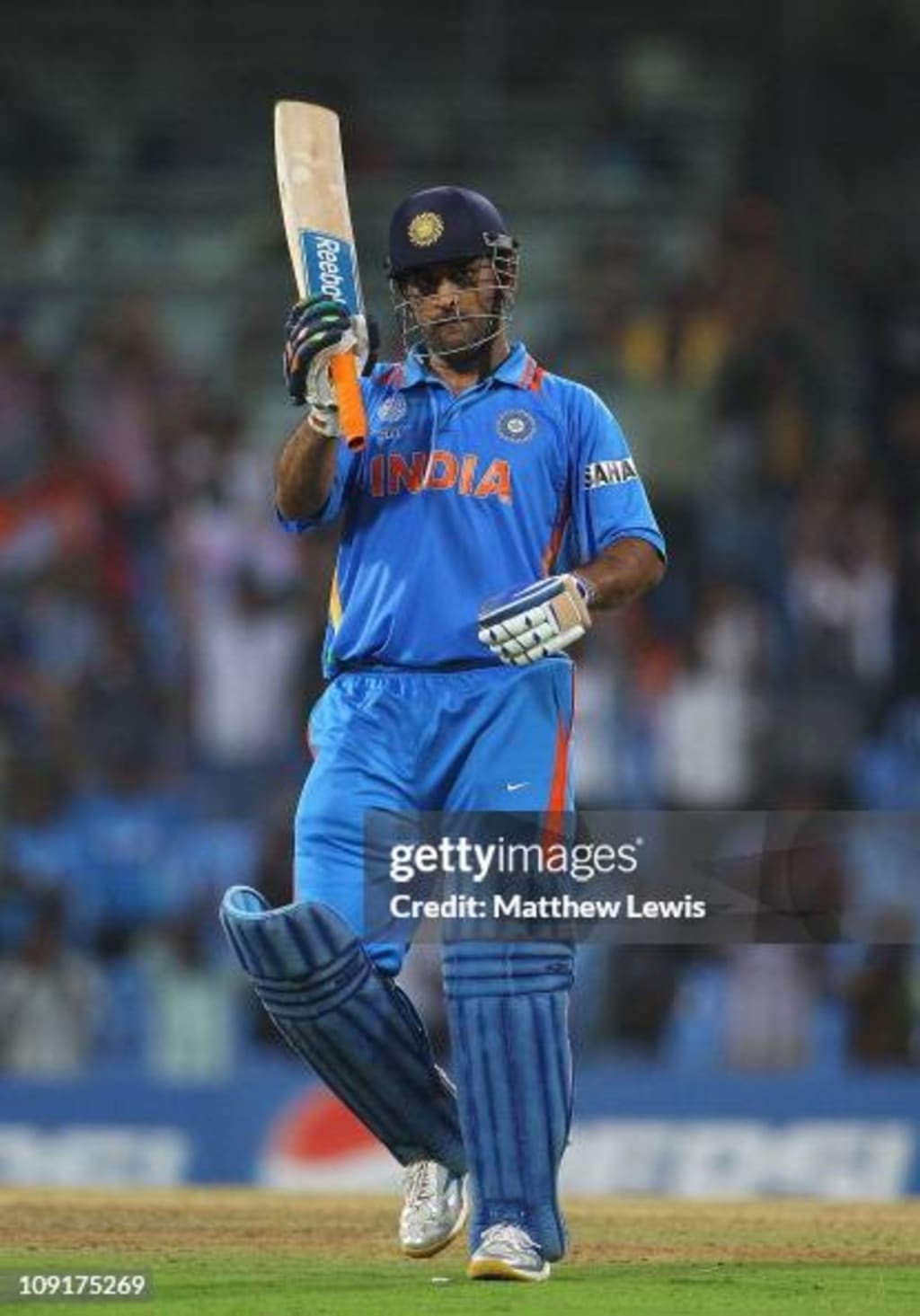
Mahendra Singh Dhoni, fondly known as MS Dhoni or 'Mahi', is an iconic figure in the realm of cricket, particularly in the context of Indian cricket history. His career spans over more than a decade and a half, marked by numerous accomplishments, leadership prowess, and a distinct style that has left an indelible mark on the sport.
Early Life and Journey to Cricket
Born on July 7, 1981, in Ranchi, Jharkhand, Dhoni had humble beginnings. His talent for cricket was evident from a young age, although he initially faced challenges in gaining recognition. He worked his way up through the ranks of local cricket and was noticed for his batting skills and natural wicketkeeping abilities.
Dhoni's breakthrough came when he was selected to play for the Bihar U-19 team, followed by his inclusion in the East Zone U-19 squad. His performances in these matches caught the eye of selectors, paving the way for his selection in the India A team. This journey from the grassroots to the national stage was a testament to his dedication and skill.
International Debut and Early Years
Dhoni made his international debut for India in a One Day International (ODI) against Bangladesh in December 2004. His explosive batting style, combined with lightning-quick wicketkeeping skills, immediately marked him as a player to watch. Within a year, he made his Test debut against Sri Lanka in 2005.
His early years in international cricket were highlighted by several memorable performances, including a blistering 183* against Sri Lanka in 2005, which at the time was the highest score by a wicketkeeper-batsman in ODIs. This innings showcased Dhoni's ability to dominate bowling attacks while also demonstrating his prowess behind the stumps.
Rise to Prominence
Dhoni's career trajectory took a significant turn when he was appointed as the captain of the Indian cricket team for the inaugural ICC World Twenty20 held in 2007. Under his leadership, India clinched the title, marking a watershed moment in Indian cricket history. His calm demeanor under pressure, innovative strategies, and ability to nurture young talent quickly endeared him to fans and critics alike.
Following this success, Dhoni continued to excel both as a batsman and captain across formats. His tenure as India's captain saw many historic victories, including the 2011 ICC Cricket World Cup, where he led India to victory after a gap of 28 years. His leadership during the tense final against Sri Lanka, where he famously finished the match with a six, remains etched in the memories of cricket enthusiasts worldwide.
Captaincy and Legacy
Dhoni's captaincy style was characterized by his unflappable composure, tactical acumen, and a knack for making astute decisions in critical moments. He led India to the top of the ICC Test rankings for the first time in 2009 and also guided the team to victory in the ICC Champions Trophy in 2013. His ability to read the game and back his players earned him respect as one of the finest captains in cricket history.
Beyond his achievements as a captain, Dhoni's batting prowess continued to evolve. Known for his finishing abilities, he often played crucial innings under pressure, rescuing India from difficult situations and steering them to victory. His calmness under pressure earned him the moniker of 'Captain Cool', a testament to his ability to remain composed in high-stakes encounters.
Later Years and Retirement
In the latter part of his career, Dhoni stepped down as captain from limited-overs formats in 2017, handing over the reins to Virat Kohli. However, he continued to contribute to the team as a senior player and wicketkeeper-batsman. His leadership and experience were invaluable in guiding the team through transitions and nurturing young talent.
Dhoni announced his retirement from international cricket in August 2020, marking the end of an illustrious career that spanned 16 years. His retirement was met with an outpouring of tributes from fans, fellow cricketers, and cricketing bodies worldwide, highlighting his impact on the sport.
Impact and Legacy
MS Dhoni's impact on Indian cricket extends beyond statistics and trophies. He inspired a generation of cricketers with his unconventional style, proving that success could be achieved through determination, resilience, and innovation. His ability to remain calm under pressure and make decisive contributions in crucial moments made him a role model for aspiring cricketers worldwide.
Off the field, Dhoni's persona as a humble and grounded individual further endeared him to fans. He became a cultural icon, transcending cricket to become one of India's most beloved sports personalities.
Conclusion
In conclusion, MS Dhoni's cricket career is a saga of talent, perseverance, and leadership. From his humble beginnings in Ranchi to becoming one of India's most successful captains, Dhoni's journey is a testament to his indomitable spirit and passion for the sport. His legacy as a cricketer and leader continues to inspire millions, leaving an enduring impact on Indian cricket that will be cherished for generations to come.
About the Creator
Vijay Shekhar Sharma And Paytm A Transformative Journey Vijay Shekhar Sharma, The Founder and CEO of Paytm
Stories Submitted S Awaiting Review A Transformative Journey Vijay Shekhar Sharma Vijay Shekhar Sharma and Paytm A Transformative Journey Vijay Shankar Sharma, The Founder and CEO of Paytm
By Sumesh2 years ago in Motivation
Animal Crossing: New Horizons 3.0 Update Review:
After 1,410 hours across five years and loving this game enough to gift it to multiple friends, I never expected to be writing this review. When Nintendo declared version 2.0 the "final major update" back in November 2021, we all accepted that New Horizons' story was complete. Four years later, here we are with version 3.0, released January 14, 2026, and I have complicated feelings about this surprise resurrection.
By Parsley Rose 4 days ago in Gamers
Dota 2 Gameplay Review: Mastery, Strategy, and Competitive Depth
Dota 2 gameplay is defined by strategic decision-making, team coordination, and long term skill development rather than fast reflexes alone. Every match challenges players to manage resources, read the map, adapt to hero interactions, and communicate effectively under pressure. Over time, these repeated choices shape distinct playstyles and habits that go far beyond visible stats like kills or rankings. This is why many players enjoy reflecting on their in-game behavior through a Dota 2 player purity challenge based on in game behavior and mindset, which offers a clearer picture of how deeply Dota 2 influences the way the game is actually played.
By Enzo Marcelli5 days ago in Gamers
The Path to Salvation
The late autumn evening air filled the monk's lungs, but it wasn't the season that chilled his bones. The heavy-handed presence of evil he had sensed upon entering the woods surrounding this mountain village had not bothered to conceal itself from him.
By Made in DNA2 days ago in Fiction


Comments
There are no comments for this story
Be the first to respond and start the conversation.