
Mastering the Art of Storytelling: The Ultimate Guide for Dungeon Masters
How to Captivate Players and Create Unforgettable RPG Campaigns

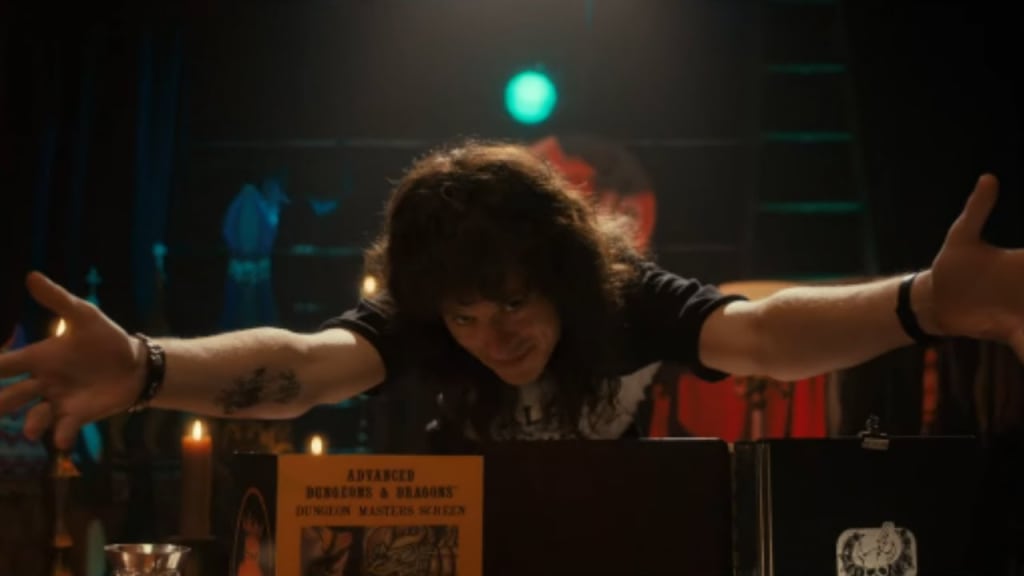
Dungeon Masters (DMs) are the architects of adventure, the keepers of lore, and the ultimate storytellers in tabletop RPGs. But crafting a compelling narrative that captivates players is no easy feat. Whether you're a seasoned DM or just starting out, this guide will help you elevate your storytelling skills and create unforgettable campaigns.
1. Understanding the Core Elements of Storytelling

Before diving into mechanics, it’s essential to grasp the fundamentals of storytelling. A great campaign thrives on these core elements:
Plot: A structured sequence of events that engages players and drives the story forward.
Characters: Believable NPCs with motivations and conflicts make the world feel alive.
Conflict: Challenges, both internal and external, create tension and excitement.
Themes: Underlying messages or ideas that give your story depth and meaning.
2. Building a Dynamic and Immersive World
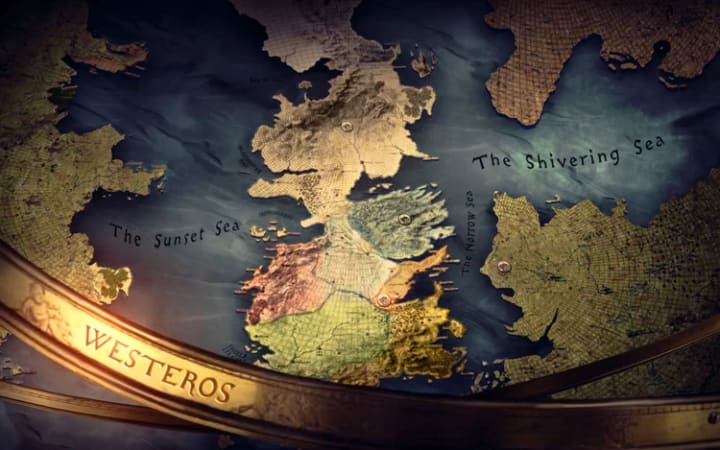
A well-crafted world sets the stage for your adventure. Consider:
Consistency: Keep the lore, geography, and politics logical and coherent.
Sensory Details: Describe sights, sounds, smells, and textures to immerse players.
Player Agency: Allow the world to react to players’ choices, making their actions meaningful.
3. Crafting Memorable NPCs
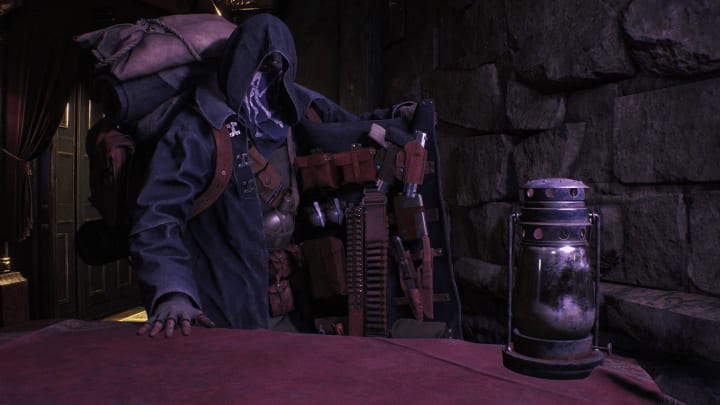
NPCs are the lifeblood of your story. To make them stand out:
Give Each One a Purpose: NPCs should serve a role in the story, whether as allies, villains, or neutral parties.
Use Distinctive Mannerisms: Unique voices, gestures, or catchphrases help players remember them.
Provide Emotional Depth: NPCs with personal goals and fears feel more real and engaging.
4. Mastering Pacing and Tension

A well-paced game keeps players engaged. Here’s how to control it:
Vary the Intensity: Balance action-packed moments with quieter, roleplay-heavy scenes.
Use Cliffhangers: Ending a session on a suspenseful note keeps players eager for the next session.
Let Players Drive the Story: Avoid railroading; instead, adapt to their choices organically.
5. Improvisation and Adaptability

Even the best-laid plans can go awry. To become a master of improvisation:
Expect the Unexpected: Players will make surprising choices—embrace them.
Use the “Yes, and…” Rule: Build upon their ideas instead of shutting them down.
Keep a List of Random Names & Plot Hooks: Helps avoid dead air when players go off-script.
6. Weaving Player Backstories into the Narrative
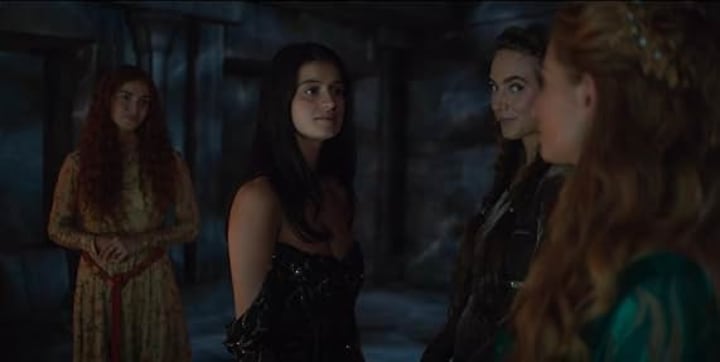
Engaging players in the story is easier when their characters have personal stakes. Consider:
Incorporating Their Goals: Weave their character arcs into the main plot.
Using Past Connections: Old rivals, lost relatives, or unfinished business add layers to the story.
Rewarding Roleplay: Acknowledge players who deeply engage with the world and their characters.
7. Mastering the Art of Descriptions

Great descriptions bring your world to life. Keep in mind:
Show, Don’t Tell: Instead of saying “The town is in ruins,” describe “The acrid smell of smoke clings to the air as charred buildings loom over empty streets.”
Use the Five Senses: Sight, sound, smell, touch, and taste can create a vivid experience.
Know When to Be Concise: Over-explaining can slow the game—give enough detail to set the scene, then let players explore.
8. Engaging Combat Narratives
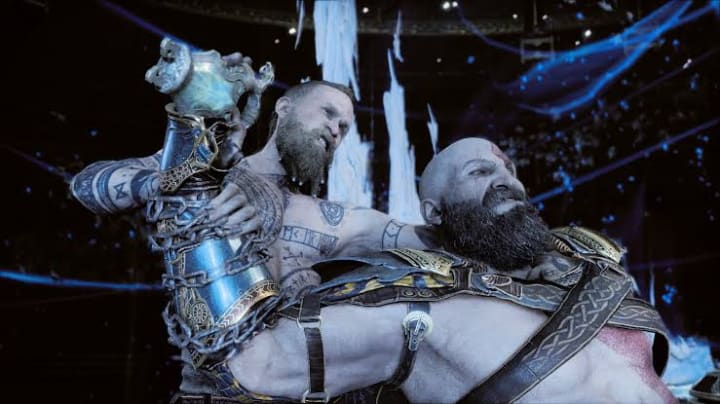
Combat isn’t just rolling dice; it’s an opportunity for dynamic storytelling:
Describe the Action: Instead of “You hit for 10 damage,” try “Your sword cleaves through the goblin’s armor, leaving a deep gash.”
Make the Environment Matter: A collapsing bridge or a burning building adds drama to fights.
Give Enemies Personality: A villain with a grudge is more compelling than a nameless foe.
9. Creating Meaningful Endings
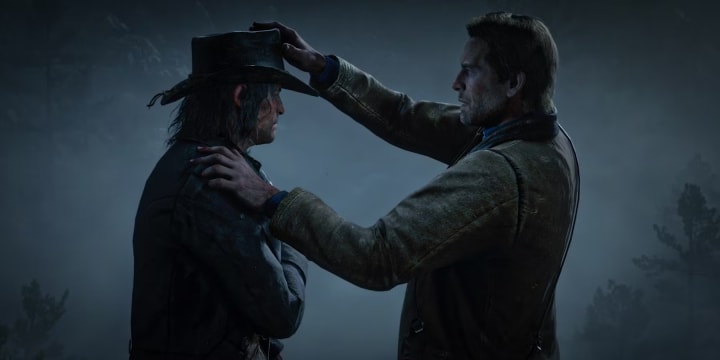
A satisfying conclusion ties everything together. Consider:
Player Impact: Show how their choices shaped the world.
Closure: Answer lingering questions but leave room for future adventures.
Emotional Payoff: Whether it’s victory or tragedy, make sure the ending resonates.
Mastering storytelling as a Dungeon Master takes practice, creativity, and adaptability. By focusing on strong narratives, immersive worlds, and dynamic NPCs, you can craft experiences that will keep your players engaged for years to come.
Now, go forth and tell amazing stories!
About the Creator
Bounty Hunter
RPG storyteller, worldbuilder and game designer exploring immersive narratives.
Keep reading
More stories from Bounty Hunter and writers in Gamers and other communities.
Narrating an RPG Like a Game Designer: What GMs Can Learn from Video Games
Tabletop RPGs and video games share a common goal: to immerse players in compelling narratives, engaging mechanics, and memorable challenges. While TTRPGs rely on imagination and improvisation, video games excel at structuring progression, pacing encounters, and maintaining player engagement. By borrowing techniques from game design, GMs can create more dynamic and satisfying experiences for their players. Let’s explore what game masters can learn from the digital realm and how to level up their campaigns.
By Bounty Hunter about a year ago in Gamers
My Own Personal History Of Computer Gaming
I am going to start this with the reason why I could never learn to ride a motorcycle as a teenager. I learned to drive but when i got on a full blown motorcycle there were so many things to remember and control that I usually ended up just falling off. I could ride a moped because everything was on the handlebars , and a speedway bike was brilliant , just an accelerator and no brakes perfectly simple , but a full blown motorcycle, I just couldn’t cut it.
By Mike Singleton 💜 Mikeydred about an hour ago in Gamers
My First Time Skiing and I Got Lost, Alone, in the French Alps
Looking back, I can trace some of my life’s biggest adventures to a simple action from my sister. She’d introduced me to Tommy (a very long time ago), a colleague of hers, who had overshared his penchant for Italian-looking women, and I ticked that box.
By Chantal Christie Weiss3 days ago in Humans




Comments
There are no comments for this story
Be the first to respond and start the conversation.