
Mastering Factions in Dungeons & Dragons: Tips, Tricks, and Ready-to-Use Templates
Learn how to create, manage, and integrate dynamic factions into your D&D campaign with tips, examples, and ready-to-use templates.

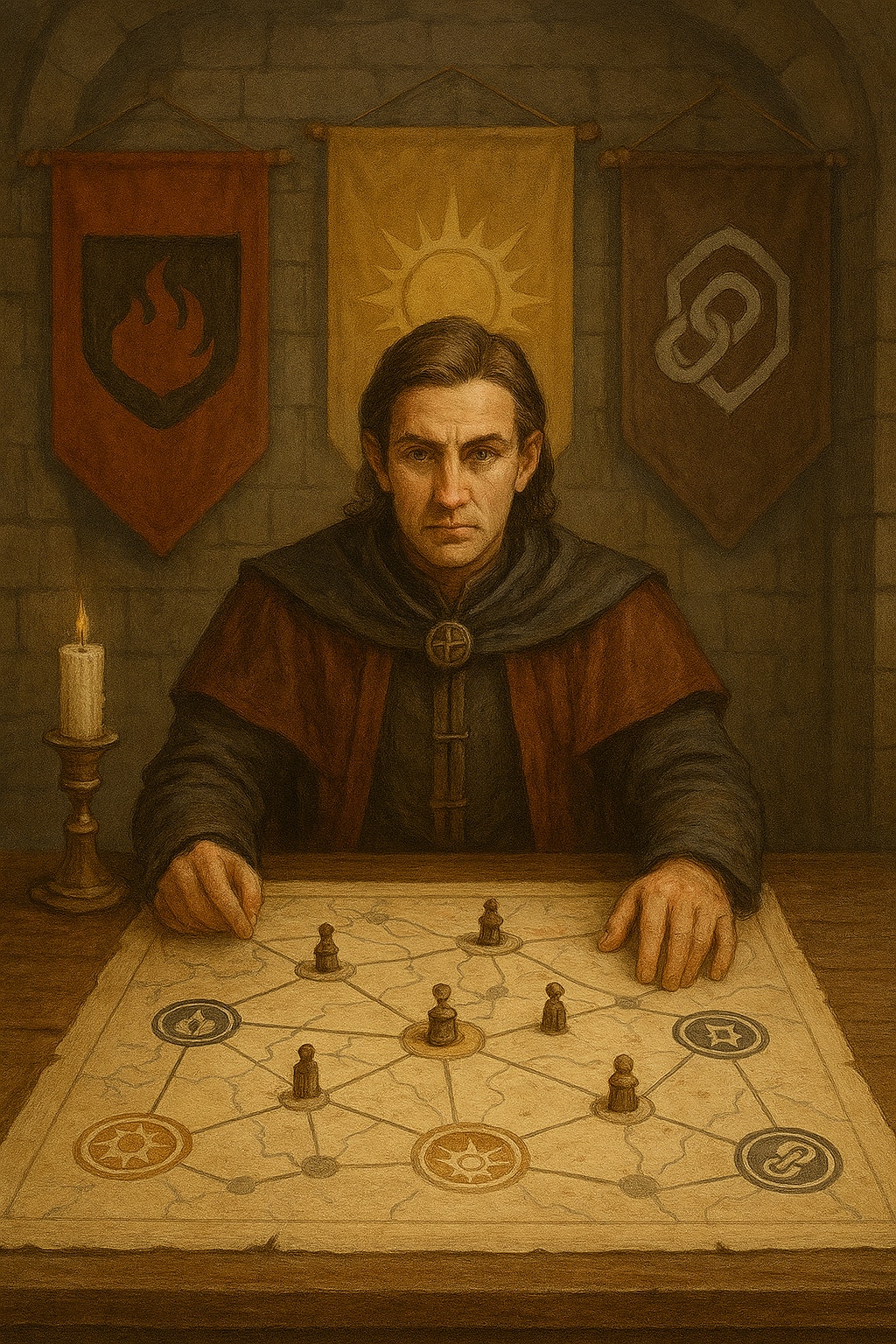
When most Dungeon Masters think about running a campaign, the focus often falls on villains, dungeons, or world-shaking threats. But there’s one storytelling tool that can add depth, drama, and direction to almost any game: factions.
Factions—whether they’re guilds, secret societies, political organizations, or religious orders—give your world texture. They provide motives beyond individual characters, shape world events, and pull adventurers into the larger currents of power. Done right, factions make your game world feel alive, with NPCs who act on their own agendas and conflicts that unfold even when the players aren’t looking.
In this article, we’ll break down how to use factions effectively in your D&D campaign, why they matter, and how you can design them quickly with flexible templates.
Why Factions Matter in D&D
Factions aren’t just worldbuilding decoration—they’re story engines. They:
- Drive Conflict: Rival organizations compete for resources, influence, and survival. Their clashes naturally create story hooks.
- Ground Characters in the World: A character who joins or opposes a faction instantly gains ties to the setting.
- Offer Clear Stakes: When a faction’s goals succeed or fail, the consequences ripple across the world.
- Create Long-Term Plots: A villain may be defeated in one session, but a faction remains, scheming and evolving.
- Encourage Player Choice: Do the adventurers side with the thieves’ guild or the city guard? Do they infiltrate the arcane cabal or strike them down?
When you weave factions into your campaign, your world transforms from a static backdrop into a living, breathing arena of competing powers.
Types of Factions You Can Use
Not every faction has to be a sinister cabal. Think in terms of variety and contrast. Here are common archetypes to consider:
- Political Powers – Noble houses, city councils, imperial courts.
- Criminal Syndicates – Thieves’ guilds, smugglers, assassins’ leagues.
- Religious Orders – Cults, temples, missionary groups.
- Military Forces – Knightly orders, mercenary bands, revolutionary militias.
- Arcane Societies – Mage guilds, warlock covens, secretive scholars.
- Rebel Movements – Uprisings against tyrants, underground freedom fighters.
- Trade Guilds – Merchants’ unions, craft brotherhoods, shipwrights’ alliances.
The best campaigns often mix several faction types, so that players must navigate not just good and evil, but shades of gray.
Building a Faction: A Simple Template
You don’t need to spend weeks designing every detail of an organization. A flexible template can help you sketch factions quickly. Fill in the following categories, and you’ll have a group ready to drop into your campaign:
- Name and Symbol: What they call themselves and what icon they rally around.
- Purpose: What is their mission or primary goal?
- Leader(s): Who guides the faction, and how much power do they actually hold?
- Resources: Gold, soldiers, information, magic—what do they have access to?
- Allies and Rivals: Who supports them, and who wants to see them destroyed?
- Methods: Do they operate openly, secretly, or somewhere in between?
- Player Connection: How do the adventurers first encounter them?
This structure keeps you from getting bogged down. A few strong details will carry more weight than pages of lore that never enters play.
Tips for Using Factions in Your Campaign
1. Keep Factions Active
Don’t let them sit in the background. Advance their goals, even off-screen. Maybe the thieves’ guild quietly takes over a merchant’s warehouse, or the rebel faction gains new weapons. Players should see the results of faction activity, even if they weren’t present.
2. Offer Multiple Paths
Players might join a faction, sabotage it, negotiate peace, or exploit it for their own ends. Don’t lock them into one option—make factions flexible enough to handle shifting loyalties.
3. Show Internal Conflict
No group is perfectly united. Introduce rivalries within a faction—competing lieutenants, divided leadership, ideological splits. Players can exploit these cracks.
4. Use Factions for Worldbuilding
Factions should reflect the culture and politics of your world. A noble house in a feudal kingdom looks very different from a rebel militia in a desert empire.
5. Tie Rewards to Factions
Let membership or favor grant unique benefits: access to spells, secret hideouts, rare equipment, or political protection.
6. Balance Influence
Too many factions can overwhelm the table. Start with two or three, then expand naturally as the story unfolds.
Example Faction Templates
To help you get started, here are three ready-made factions you can adapt:
The Obsidian Veil
- A secretive order of assassins who claim to serve the balance of life and death.
- Their leader is never seen, only spoken of through masked envoys.
- They fight rival guilds while manipulating city politics from the shadows.
The Dawnforged Alliance
- A coalition of paladins, clerics, and templars sworn to defend the realm against fiends.
- Their rigid hierarchy breeds tension between zealous crusaders and more pragmatic commanders.
- They clash with arcane factions they deem dangerous.
The Iron Chain
- A brutal mercenary company that sells its loyalty to the highest bidder.
- Known for discipline, efficiency, and ruthlessness in battle.
- Their growing power threatens to rival even the standing armies of kingdoms.
These outlines can be fleshed out with NPCs, quests, and rewards—but even as is, they give you hooks to build encounters around.
Factions aren’t optional fluff. They are one of the most powerful tools a Dungeon Master has for weaving a living narrative. By creating organizations with goals, resources, and rivalries, you transform your campaign from a string of isolated quests into an interconnected story where every decision matters.
Start small. Introduce one or two factions with simple goals. Let players interact with them, and then let those interactions ripple outward. Before long, you’ll have a campaign where the world evolves dynamically, where every choice feels weighty, and where your players are eager to discover which faction will rise—or fall—next.
About the Creator
Richard Bailey
I am currently working on expanding my writing topics and exploring different areas and topics of writing. I have a personal history with a very severe form of treatment-resistant major depressive disorder.
Keep reading
More stories from Richard Bailey and writers in Gamers and other communities.
Behemoth VR: Community Verdict and Player Reactions
The release of Behemoth, Skydance’s dark fantasy VR adventure, has sparked one of the most intense debates in the virtual reality space this year. From its massive open environments to its brutal melee combat, players have not been shy about voicing their thoughts. Some are calling it one of the most ambitious VR titles to date, while others feel it still has a few rough edges to polish.
By Richard Bailey5 months ago in Gamers
I Am Future On PS5 : Now available on PlayStation 5
Survival games are often defined by tension. Hunger meters tick down, enemies lurk in the shadows, and every mistake feels costly. I Am Future: Cozy Apocalypse Survival, now available on PlayStation 5, takes a very different approach. Instead of stressing players with constant danger, it invites them to slow down, breathe, and rebuild. It’s a survival game where optimism, creativity, and calm take centre stage — and on PS5, it feels right at home.
By Games Mode On6 days ago in Gamers
Is Art School Worth It for Game Development?
When I decided to go to art school, I made the choice because I saw the value in learning directly from industry professionals. For me, it wasn’t just about honing my creativity; it was about setting myself up for success in a competitive and ever-evolving field—game art and design. The experience was rewarding, but like any major decision, it comes with its own set of pros and cons. Here’s what I’ve learned, and what you might want to consider if you’re weighing the decision for yourself, whether for goals of being a professional artist or for video game development.
By D. E. King2 days ago in Gamers
Wild Card Weekend Recap: What Happens Now?
I think I figured out why I love Wild Card Weekend so much. It's because it's the first playoff anything of the calendar year. The NFL season starts in the fall, and once upon a time, the champion was crowned either on or slightly before New Year's. The evolution of the NFL schedule has resulted in the playoffs starting just into the New Year, and currently, the final week of the season falls on the first weekend of the New Year, with Wild Card Weekend coming a week after that. So yes, chronologically, the NFL's Wild Card Weekend serves as the first playoff anything of the calendar year.
By Clyde E. Dawkins6 days ago in Unbalanced



Comments
There are no comments for this story
Be the first to respond and start the conversation.