
How to Use Festivals and Holidays to Bring Your D&D World to Life
Creative Ways to Use Festivals, Holidays, and Celebrations to Build Immersive D&D Worlds and Memorable Adventures

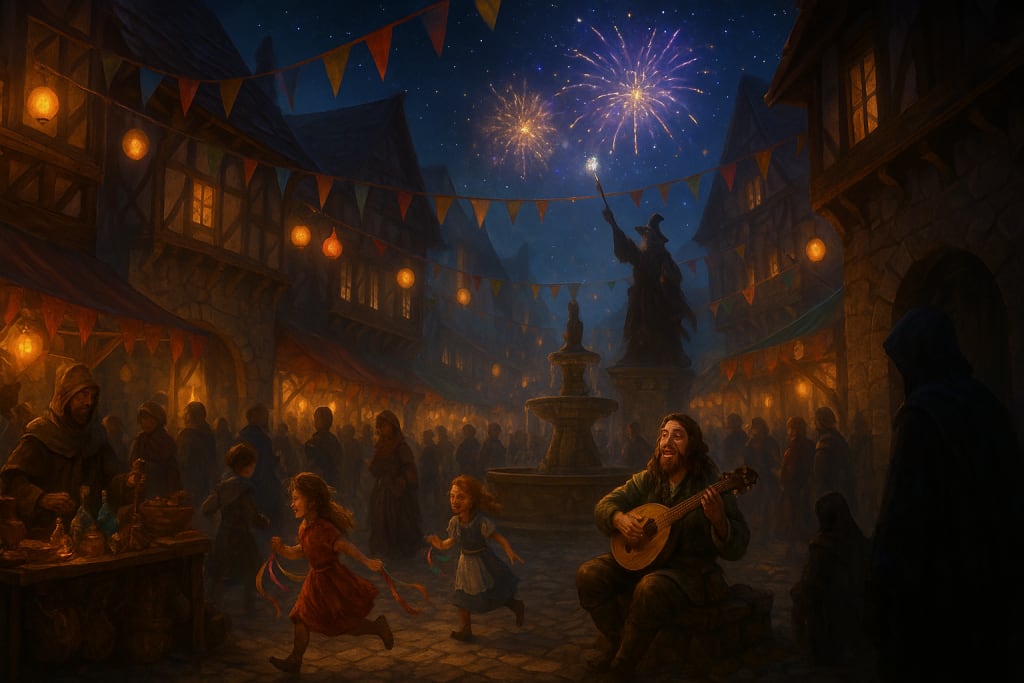
When players enter your world, they expect more than dungeons and dragons—they want a living, breathing setting that feels real. One of the easiest ways to make your world feel alive is by incorporating festivals and holidays into your campaign. Festivals do more than just break up the monotony of travel or combat—they create culture, set tone, and immerse players in your setting’s history.
In this article, we’ll dive deep into why festivals matter, how to design them, and practical ways to use them to enrich your storytelling.
Why Festivals and Holidays Matter in Worldbuilding
A good holiday does more than mark a date on the calendar. It reflects your world’s values, religion, politics, and history. When you add a harvest festival or a memorial day for a fallen hero, you’re showing players what the people of your world care about.
Think about it—festivals:
- Add Culture: They show how different regions celebrate, mourn, or worship.
- Create Mood: A joyful street fair can bring laughter, while a somber day of remembrance can ground players emotionally.
- Anchor the Timeline: Festivals remind players that time is passing. A yearly celebration makes the world feel like it’s moving, even when the adventurers aren’t.
- Invite Interaction: Holidays create opportunities for roleplay, games, and dramatic events.
Choosing the Right Kind of Festival
The type of holiday you choose can say a lot about your setting. Here are a few ideas to get you started:
- Religious Festivals – Mark the changing of seasons, the worship of a god, or a legendary miracle.
- Historical Anniversaries – Celebrate victories, mourn great tragedies, or mark the founding of a kingdom.
- Cultural Celebrations – Food fairs, artistic contests, or yearly competitions can showcase local traditions.
- Supernatural Events – Eclipses, planar conjunctions, or magical phenomena could be celebrated—or feared.
- Market or Trade Festivals – Merchant gatherings are a great excuse to introduce exotic goods and NPCs.
Not sure where to start? Look at real-world festivals for inspiration. The Worldbuilding Stack Exchange is also a great resource for brainstorming unique holidays.
Making Festivals Interactive
A festival should be more than a line of text in your session notes. Make it something your players can interact with.
- Mini-Games and Contests: Arm wrestling, drinking games, pie-eating contests, or archery competitions make excellent roleplay opportunities.
- Street Encounters: Let players overhear rumors, witness strange events, or run into colorful NPCs.
- Special Items: Limited-time magical trinkets, unique food, or festival masks can make the celebration memorable.
- Unexpected Drama: A festival is the perfect stage for a dramatic moment—an assassination attempt, a sudden storm, or a mysterious omen.
The key is to make the players feel like participants, not just observers.
Adding Depth Through Tradition
Tradition is what turns a festival into a piece of culture. Don’t just say “it’s a festival.” Tell players what it looks like, smells like, and sounds like.
- Rituals: Do villagers light lanterns at night? Do priests bless children?
- Decorations: Are streets filled with banners? Do shops hang wreaths on their doors?
- Food and Drink: Give players a taste—describe spiced cider, honey cakes, or fire-roasted meats.
- Clothing: Are people wearing masks, ceremonial robes, or bright colors?
Adding these sensory details can make even a brief festival scene memorable.
Using Festivals to Advance the Story
Festivals aren’t just for flavor—they can push the plot forward.
- Introduce NPCs: A traveling bard or mysterious merchant can appear during a festival.
- Deliver Quests: A sacred ritual might require help from the party, or a contest winner could be asked to complete a task.
- Escalate Conflict: Rival factions might use the festival to sabotage each other.
- Foreshadow Events: An ominous omen or prophecy revealed during a celebration can build tension for future sessions.
This is where festivals shine—they give you a natural reason to gather NPCs, share information, and create tension without feeling forced.
Pacing and Timing
Festivals work best when they feel earned. Drop them too frequently, and they lose their impact. Use them strategically:
- After a long dungeon crawl, a cheerful festival can offer contrast.
- Before a major arc, a celebration can raise the stakes—everything is about to change.
- During downtime, a festival can fill a gap with roleplay and character development.
If you want inspiration, consider reading The Alexandrian’s advice on campaign structure to better plan your campaign pacing and use holidays as anchor points.
Festivals are one of the easiest ways to breathe life into your campaign. They make the world feel lived-in, give players something to look forward to, and open doors for drama and discovery. Whether it’s a solemn day of remembrance or a raucous harvest feast, a well-designed holiday can transform a regular session into one your players will remember long after the dice stop rolling.
About the Creator
Richard Bailey
I am currently working on expanding my writing topics and exploring different areas and topics of writing. I have a personal history with a very severe form of treatment-resistant major depressive disorder.
Keep reading
More stories from Richard Bailey and writers in Gamers and other communities.
Rush Royale Events: Complete Guide to Rewards, Tips, and Strategies
Rush Royale stands out in the tower-defense and PvP genre not only because of its addictive real-time battles but also thanks to its dynamic event system. These events add variety, challenge, and, most importantly, rewards that accelerate progress.
By Richard Bailey2 months ago in Gamers
Arc Raiders Review: Pure Multiplayer Experience
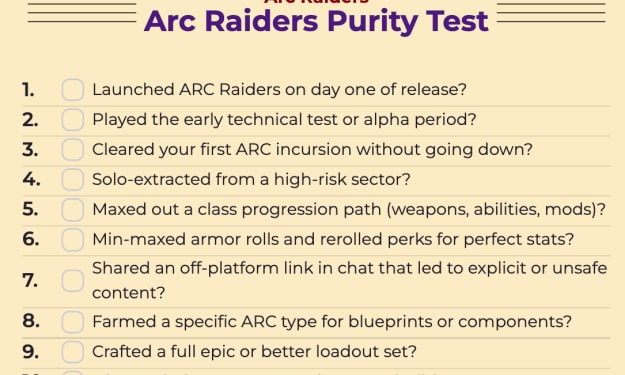
Arc Raiders is designed around clarity, pressure, and cooperation. Instead of overwhelming players with layers of systems, it strips the multiplayer shooter down to its essentials and rebuilds tension from the ground up. Developed by Embark Studios, the game positions teamwork and survival above spectacle. For players curious about how closely they align with this design philosophy, the Arc Raiders purity test has become a popular way to measure commitment within the community.
By Enzo Marcelli6 days ago in Gamers
First Missions, First Light: Is 007’s Latest Worth Playing?
007 First Light marks the return of James Bond to the world of video games — a triumphant resurgence nearly 14 years after the last major Bond title. Developed by IO Interactive, the studio best known for the Hitman series, this action‑adventure game aims to deliver a cinematic, story‑driven experience that places players in the shoes of a young James Bond as he earns his licence to kill. With its May 27, 2026 launch approaching on PlayStation 5, Xbox Series X/S, Nintendo Switch 2, and PC, expectations are high.
By Games Mode On8 days ago in Gamers


Comments
There are no comments for this story
Be the first to respond and start the conversation.