
How to Play Rush Royale: Best Beginner Tips and Winning Strategies
A Beginner’s Guide to Mastering Rush Royale and Building Your First Winning Deck

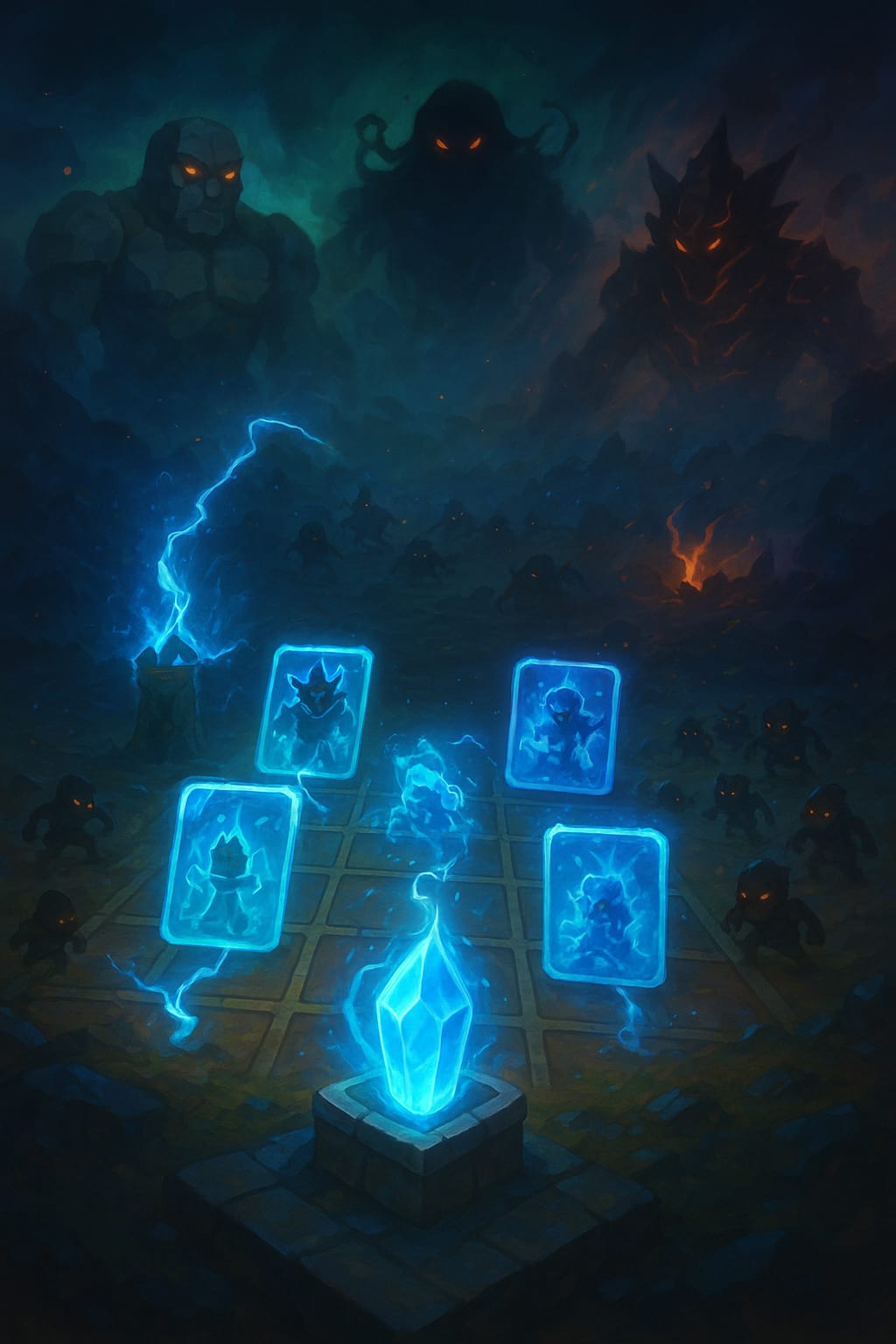
Rush Royale combines tower defense gameplay with the unpredictability of card-based mechanics, creating a unique experience where no two matches play out the same way. On the surface, the game seems simple: summon units, merge them, and hold back waves of enemies. But the longer you play, the more you realize that every decision—whether to upgrade, merge, or save mana—directly shapes your chance of survival.
New players often struggle with the balance between randomness and strategy. Unlike traditional tower defense games, you don’t always control where your units appear or which upgraded version you’ll get after a merge. That means success depends on careful planning, adaptability, and smart resource usage.
If you’re just starting out, this article breaks down the most important beginner tips and strategies to help you build strong foundations, avoid common mistakes, and climb the ladder with confidence.
Understand the Core Gameplay
Before you start crafting decks or chasing legendary cards, take time to fully understand how the game functions:
- Waves of enemies march down the battlefield. If too many cross your defenses, you lose.
- You use mana (gained by defeating enemies) to summon units from your chosen deck.
- Units are placed randomly on your board, which means positioning can’t be directly controlled.
- You can merge two identical units to upgrade their rank, but the resulting card is random from your deck pool.
This structure makes Rush Royale different from other strategy games. You’re not just thinking about which cards to play—you’re managing probabilities, timing, and board space at the same time. The sooner you embrace this mix of control and chance, the faster you’ll improve.
The Importance of Mana Management
Mana is the foundation of your strategy. Misusing it early can cripple your ability to survive later waves.
Early Waves: Resist the urge to spam summons. Two or three reliable units are usually enough to handle the first few rounds. This saves mana for critical upgrades later.
Summoning vs. Upgrading: Beginners often over-summon and neglect upgrades. Remember that upgrading increases the attack power of all units of that type, which can be more efficient than simply adding more weak ones.
Saving for Bosses: Certain bosses disrupt your board heavily (like Tribunal or Bedlam). Always keep extra mana in reserve so you can rebuild quickly if your setup gets ruined.
Think of mana like currency in a long-term investment. Spend wisely, save strategically, and invest where it creates momentum.
Building Your First Effective Deck
Deck composition is where new players either set themselves up for success or fall behind. Legendary units may look appealing, but many common and rare cards are powerful in the right combinations.
Here’s a breakdown of beginner-friendly cards and why they matter:
- Engineer – Strong when connected in groups, making it one of the earliest cards capable of scaling into late waves.
- Cold Mage – Slows enemies significantly, which buys your damage dealers more time. Crucial for surviving tight waves.
- Thunderer – Deals consistent damage with a chain lightning effect, excellent for clearing clustered enemies.
- Priestess – Generates mana when merged, fueling your economy and letting you summon more units.
- Bombardier – Stuns both enemies and bosses, giving you a critical edge during dangerous rounds.
Balanced deck composition is key. Make sure your deck includes:
- At least one damage dealer (Engineer, Thunderer, or Hunter).
- At least one control card (Cold Mage, Bombardier).
- At least one economy booster (Priestess, Mime, Harlequin if you unlock them later).
- This mix ensures you’re not relying on a single strategy that can collapse under pressure.
The Art of Merging
Merging is one of the most misunderstood mechanics for beginners. It seems simple—combine two units, get a stronger one—but in practice, it’s a gamble that can destroy your synergy if you merge carelessly.
- Merge for Strategy, Not Panic: Many players merge just because their board feels crowded. Don’t. Only merge if it strengthens your position or prepares you for an upcoming wave.
- Rank vs. Quantity: A high-rank unit is powerful, but sometimes having multiple lower-rank versions of a key support (like Cold Mage) is more effective than one upgraded card.
- Economy Units: Cards like Priestess or Mime should be merged with purpose. A well-timed Priestess merge can give you enough mana to summon three or four more units—potentially saving your run.
Tip: Think two steps ahead. Every merge should serve a future purpose, not just clear space.
Adapting to Boss Rounds
Bosses are the biggest hurdles in Rush Royale. Each one brings a unique ability designed to disrupt your board:
- Tamer – Easy to manage, focuses on sending additional mobs.
- Bedlam – Shuffles your entire board into random units, which can either ruin or save you.
- Gorgon – Freezes multiple units, disabling them for a period.
- Warlock – Targets specific units for destruction, often crippling your setup if you rely on one card.
- Tribunal – Perhaps the most dangerous; it downgrades your units, drastically weakening your board.
Preparation is everything. Before a boss wave hits, make sure to:
- Save extra mana.
- Upgrade damage dealers.
- Avoid risky merges that could leave your board vulnerable.
The stronger your setup going into the boss, the less likely you’ll collapse when their abilities take effect.
Co-op Mode: A Safer Training Ground
If PvP feels overwhelming, Co-op mode is your best friend as a beginner. It allows you to team up with another player to face endless waves of enemies without worrying about rank loss.
Why Co-op Helps Beginners:
- You can experiment with different decks without the pressure of competitive play.
- It helps you practice mana management over long matches.
- Rewards from Co-op can still improve your collection and progression.
Treat Co-op as a practice arena. It’s the perfect way to understand how your deck functions over time and where it needs improvement.
Common Beginner Mistakes to Avoid
Understanding what not to do is just as important as learning strategies. Many new players fall into these traps:
- Overfilling the board: Having too many weak units clutters space for stronger ones.
- Ignoring upgrades: Summoning endlessly without upgrading leaves your board underpowered.
- Merging recklessly: Random merges often backfire and ruin synergy.
- Copying high-level meta decks: Decks built for players with maxed-out cards won’t work the same at lower levels.
- Forgetting boss timing: Failing to prepare for bosses almost always leads to defeat.
By avoiding these mistakes, you’ll develop faster than players who repeat them.
Rush Royale isn’t just about luck—it’s about knowing how to manage luck. The randomness of summons and merges adds unpredictability, but with the right strategies, you can tilt the odds in your favor.
As a beginner, focus less on chasing rare cards and more on refining fundamentals:
- Manage your mana efficiently.
- Build balanced decks with synergy.
- Merge with intent, not impulse.
- Learn each boss’s mechanics and prepare accordingly.
Every match teaches something new. With patience, practice, and smart decisions, even a new player can win consistently and climb the ladder.
About the Creator
Richard Bailey
I am currently working on expanding my writing topics and exploring different areas and topics of writing. I have a personal history with a very severe form of treatment-resistant major depressive disorder.
Keep reading
More stories from Richard Bailey and writers in Gamers and other communities.
Creative Flaws and Quirks to Make Your D&D Character Stand Out
When most players create a Dungeons & Dragons character, they focus on race, class, and stats. Strength scores, spell lists, and weapon proficiencies often take center stage. But if you want your character to live in your players’ and Dungeon Master’s minds long after the campaign ends, the real secret isn’t in the numbers—it’s in the flaws, quirks, and eccentricities you give them.
By Richard Bailey4 months ago in Gamers
U4gm Diablo IV Season 11: Tier List and Class Meta Explained
Season 11 of Diablo IV, officially called the Season of Divine Intervention, has shaken up the game like never before. With revamped mechanics, new endgame challenges, and shifts in class balance, players are eager to know which classes dominate in the current meta.
By Billo Naliabout 6 hours ago in Gamers
Miss Persephone's Manual to a Seemingly Ordinary Life
Miss Persephone was found at the dining table, her blue eyes swollen, her tears arriving and retreating like the tides of the ocean. Earlier that day, her family had visited her in the retirement home where she had lived for eight years. It was her eightieth birthday.
By Imola Tóth2 days ago in Fiction



Comments
There are no comments for this story
Be the first to respond and start the conversation.