
Creative Flaws and Quirks to Make Your D&D Character Stand Out
How to Give Your Dungeons & Dragons Character Memorable Personality

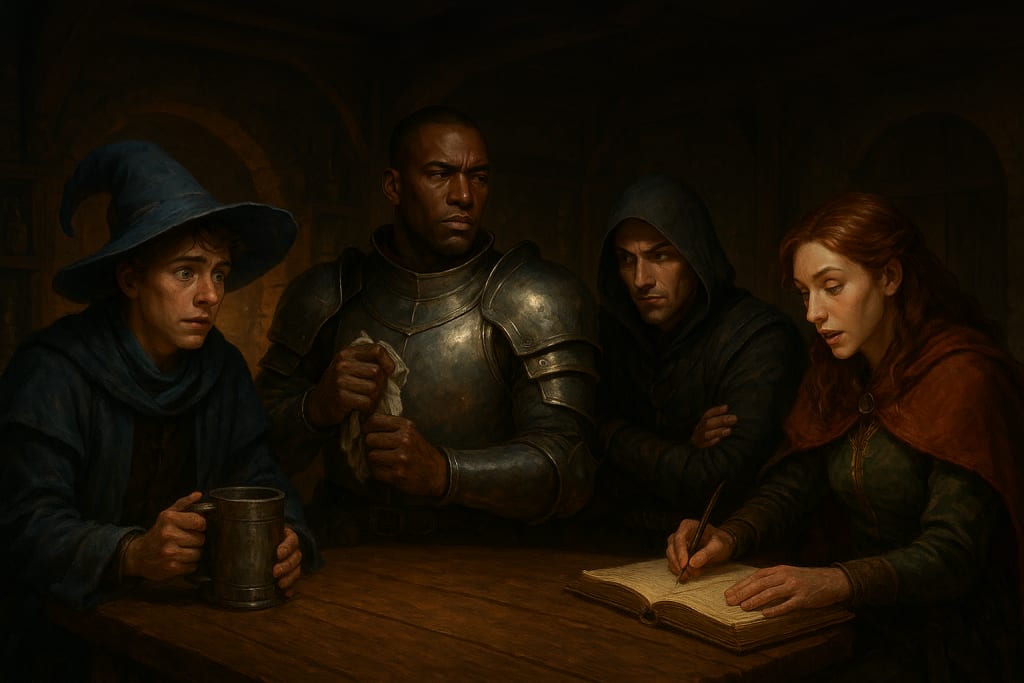
When most players create a Dungeons & Dragons character, they focus on race, class, and stats. Strength scores, spell lists, and weapon proficiencies often take center stage. But if you want your character to live in your players’ and Dungeon Master’s minds long after the campaign ends, the real secret isn’t in the numbers—it’s in the flaws, quirks, and eccentricities you give them.
A well-designed flaw or quirk adds unpredictability, humor, drama, and humanity to your hero (or antihero). It makes roleplaying richer. It creates moments of conflict and vulnerability. Most importantly, it keeps the game from turning into a sterile list of dice rolls and hit points.
Let’s dive into the most effective ways to craft creative flaws and quirks that bring your D&D character to life.
Why Flaws Matter More Than Perfection
Perfect heroes are boring. Think of the most memorable fictional characters—Sherlock Holmes with his arrogance and addiction, or Han Solo with his reckless self-interest. Their flaws are what make them relatable and compelling.
In Dungeons & Dragons, flaws:
- Create storytelling opportunities – A character afraid of water suddenly faces a flooded cavern.
- Drive roleplay conflict – The paladin’s strict moral code clashes with the rogue’s flexible morality.
- Build deeper immersion – Quirks make a character feel alive instead of like a mechanical build.
- Provide balance – A powerful adventurer with vulnerabilities feels more grounded.
Without weaknesses, there’s no tension. Without quirks, there’s no flavor.
Common Pitfalls When Adding Flaws
Before diving into examples, it’s worth pointing out mistakes players often make:
- Making flaws too disruptive. A fear of doors or refusal to cooperate can derail the campaign.
- Choosing flaws that never come up. If your barbarian is “bad at math,” it probably won’t matter.
- Treating flaws as jokes only. Humor is great, but flaws should occasionally create real stakes.
- Using flaws to excuse bad behavior. “That’s just what my character would do” isn’t a free pass to ruin the table’s fun.
The best flaws are playable, consistent, and enhance—not sabotage—the game.
Creative Flaws That Spark Roleplay
Here are some imaginative flaws you can weave into your character’s backstory and actions:
- Haunted by Past Mistakes – Your character hesitates to lead because of a disastrous decision in their past.
- Trust Issues – They never sleep near the group’s campfire, always watching from the shadows.
- Reckless Curiosity – If there’s a lever, they’ll pull it. If there’s a strange idol, they’ll touch it.
- Obsession – A driving need to collect relics, avenge a family member, or prove themselves.
- Superstitious – Certain numbers, colors, or omens dictate their decisions.
- Overconfidence – They always assume victory, even when clearly outmatched.
- Pacifist Warrior – Skilled in combat but reluctant to kill, creating tension in violent encounters.
- Mistrust of Authority – Guards, nobles, and priests all get the side-eye.
- Phobias – Fear of the dark, deep water, undead, or fire.
- Hidden Guilt – They secretly feel responsible for a tragedy and overcompensate in strange ways.
Quirks That Bring Characters to Life
Quirks are different from flaws. They’re smaller, often humorous details that make a character memorable. These don’t always cause problems, but they add texture.
Consider these possibilities:
- Odd Speech Patterns – Always talks in the third person, never uses contractions, or rhymes unintentionally.
- Strange Habits – Polishes weapons before bed, collects shiny rocks, or refuses to eat food unless it’s salted twice.
- Appearance Choices – Wears mismatched armor pieces or insists on a particular color scheme.
- Body Language – Nervous twitching, always staring too long, or constantly tapping fingers.
- Unusual Hobbies – Writes poetry about slain foes, brews questionable potions, or keeps a journal of insects.
Quirks make characters more than just adventurers—they turn them into personalities.
How to Blend Flaws and Quirks Seamlessly
When done well, flaws and quirks should feel organic, not forced. A good way to achieve this is to tie them back to your character’s history.
Origin Story Connection: A ranger afraid of fire might have lost their village in a blaze.
Personality Consistency: A paladin’s obsession with cleanliness could reflect their devotion to order.
Balance: Pair a major flaw with a lighter quirk so your character feels layered, not one-dimensional.
Ask yourself: does this trait make sense for who my character is, and does it create interesting play at the table?
Roleplaying Tips for Using Flaws and Quirks
- Don’t hog the spotlight. Let your traits enhance group storytelling, not dominate it.
- Use them situationally. Bring up quirks in downtime or social scenes, flaws in tense moments.
- Evolve over time. A flaw may lessen or worsen as your character grows.
- Reward vulnerability. Lean into the moments when your flaw puts you at risk—that’s where the story shines.
Dungeons & Dragons thrives on unpredictability, and the best characters aren’t the strongest—they’re the ones who feel real. By giving your hero a blend of meaningful flaws and eccentric quirks, you open the door to richer storytelling, deeper roleplay, and unforgettable moments around the table.
So next time you roll up a character, don’t stop at stats. Ask yourself: what makes them human? What makes them strange? What makes them stand out?
Because sometimes, the best part of an adventurer isn’t their sword or their spellbook—it’s their imperfections.
About the Creator
Richard Bailey
I am currently working on expanding my writing topics and exploring different areas and topics of writing. I have a personal history with a very severe form of treatment-resistant major depressive disorder.
Keep reading
More stories from Richard Bailey and writers in Gamers and other communities.
How to Roleplay a D&D Character with a Dark Secret
Every Dungeons & Dragons table has its share of heroes, but not every adventurer wears their soul on their sleeve. Some carry shadows within them—hidden truths, unresolved traumas, or forbidden pacts that shape who they are.
By Richard Bailey6 months ago in Gamers
The Real Life of a Professional Poker Player: Myths and Reality
The life of a professional poker player often looks exciting from the outside. Television broadcasts show dramatic all-in moments, massive tournament prizes, and players celebrating victories under bright casino lights. Social media also contributes to this image by highlighting success stories, luxury travel, and high-stakes games. Because of this exposure, many people believe that professional poker players live an easy and glamorous life.
By Micah Raskin Poker 5 days ago in Gamers


Comments
There are no comments for this story
Be the first to respond and start the conversation.