
How to Make Turn-Based RPGs Engaging
Musings on Turn-Based Combat

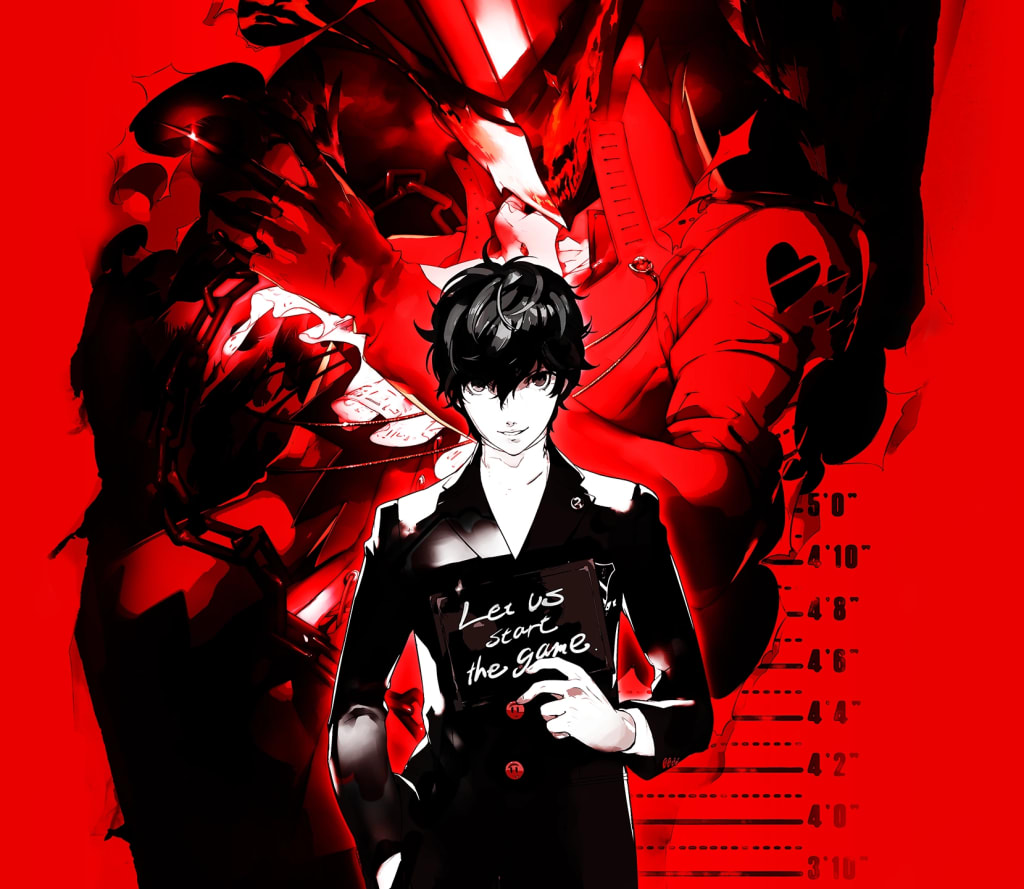
The appeal of turn-based RPGs has always been how they can prompt players to formulate strategies that make the most of each turn. However, this hardly describes most turn-based RPGs, which ultimately become an exercise in finding the optimal strategy and repeating it in every battle. However, I have rarely had this issue with turn-based strategy video games and deck-building card games. My problems with some turn-based RPGs don't originate from turn-based combat but instead from their battle systems and enemy encounters.
Battle Systems
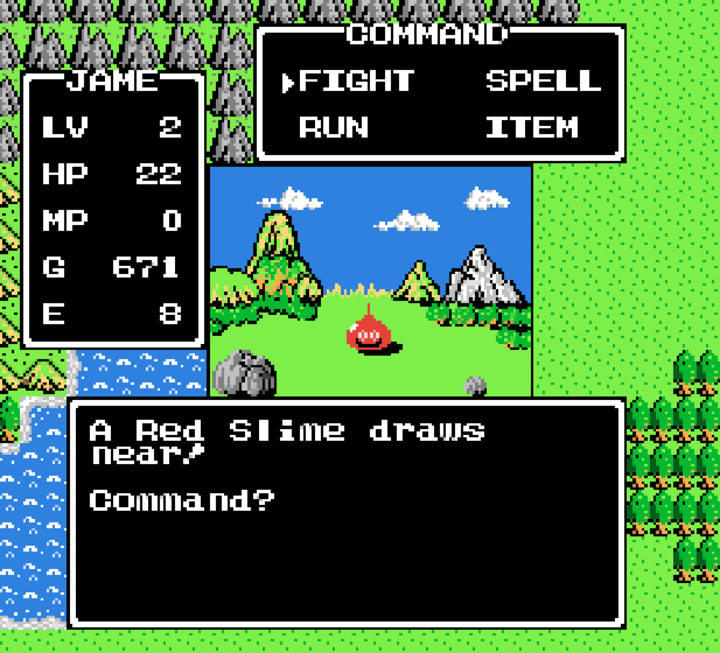
A battle system is the rules that govern combat, which encompass every action a player can take during battle. An engaging battle system has enough complexity to give the player many choices. This complexity is present in strategy and card games with the variety of options provided by units and cards. I have trouble playing older turn-based RPGs because the battle systems aren't complex enough to allow the player to make meaningful choices. Most actions in these RPGs don't serve any purpose other than inflicting damage, making the decision easy. This simplicity is why turn-based RPGs with a basic battle system opt for parties instead of individuals. This choice is because having more things to consider each turn breaks up the monotony of the combat. Modern turn-based RPGs aren't as lacking in battle system complexity as older ones, but I believe the player should have even more choices. Complex battle systems mean more tools for the player, but this is meaningless unless the battles themselves are challenging enough to accommodate the vast amount of strategies.
Enemy Encounters
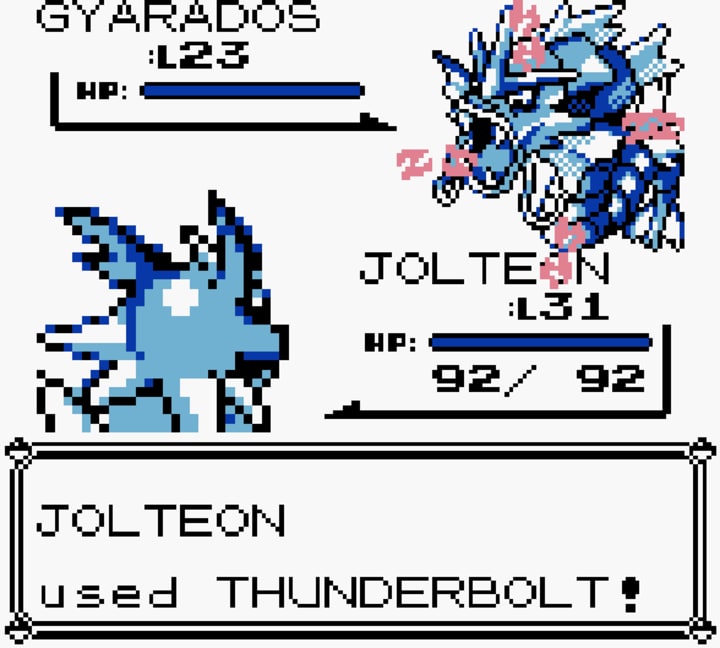
An enemy encounter is more akin to a chess problem; in other words, a challenge that tests the player's understanding of the game mechanics. Strategy and card games, especially when played against a person of comparable skill, provide a challenge turn-based RPGs rarely do. To highlight this point, I would like to examine my favorite turn-based RPG series of all time—Pokémon. Pokémon is an interesting case because it has a complex battle system, but the single-player adventure hardly utilizes it. Interactions that would be mundane in battles with human opponents (switching, holding items, etc.) are surprising outside of multiplayer because, typically, the computer opponents don't behave intelligently. My most memorable enemy encounters in the Pokémon series occurred while playing Stadium Mode (Pokémon Stadium) or Battle Tower (Pokémon Crystal Version) because the computer opponents act with a specific strategy in mind. Forcing players to change their tactics makes combat more engaging because they must consistently adapt.
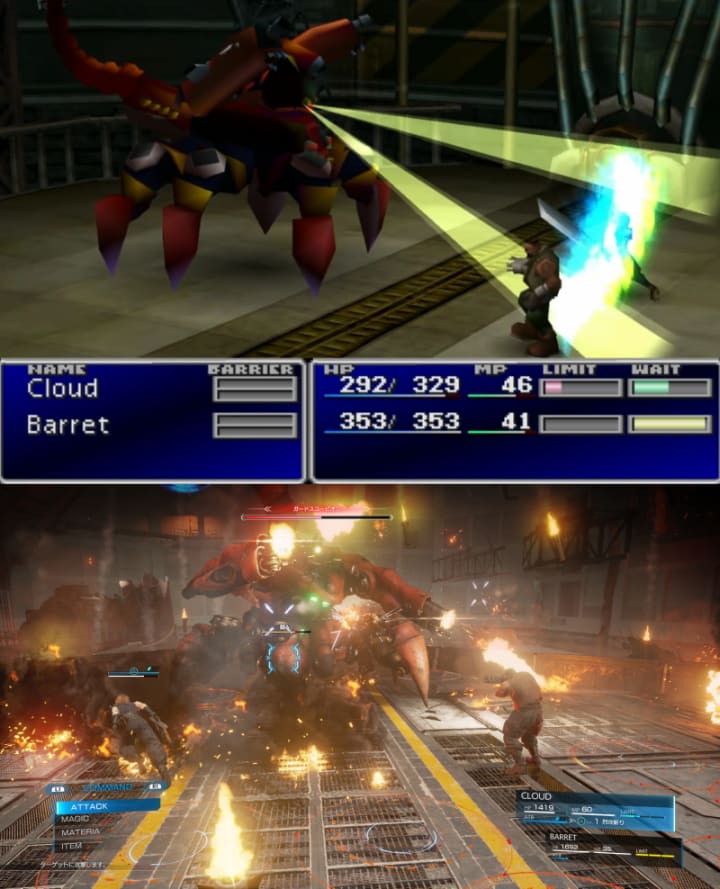
Of course, I can't guarantee that these suggestions will make turn-based RPGs appeal to everyone who doesn't like them, but I think they will make these games more enjoyable for fans of the genre. It is also important to note that more engaging combat can become tedious if battles are too plentiful. Regardless, these suggestions are crucial for turn-based RPGs because there is a growing stigma that the genre is antiquated. Even popular RPG franchises like Final Fantasy have abandoned turn-based combat for real-time action. The turn-based RPG isn't going anywhere as popular franchises like Dragon Quest and Persona are still going strong, but it is sad to see the genre mostly relegated to lower-budget titles.
About the Creator
Yaw
Formerly My IGN & Creators Media
Keep reading
More stories from Yaw and writers in Gamers and other communities.
From the Dugout to the Deal Table: Applying Baseball and Football Tactics to Smarter Lending
In professional sports, winning is rarely accidental. Baseball managers and football coaches rely on preparation, analytics, timing, and disciplined execution to outmaneuver opponents. Every decision—whether it’s calling a curveball on a full count or going for it on fourth down—reflects calculated strategy rather than impulse.
By James Cretella4 days ago in Gamers


Comments (1)
Good story 😘 Man Subscribe me please https://shopping-feedback.today/gamers/travis-kelce%3C/span%3E%3C/span%3E%3C/span%3E%3C/a%3E%3C/p%3E%3C/div%3E%3C/div%3E%3C/div%3E%3Cstyle data-emotion-css="w4qknv-Replies">.css-w4qknv-Replies{display:grid;gap:1.5rem;}