
How to Become a Successful Entrepreneur in the Gaming Industry
Practical tips for entering the gaming industry for absolute beginners.

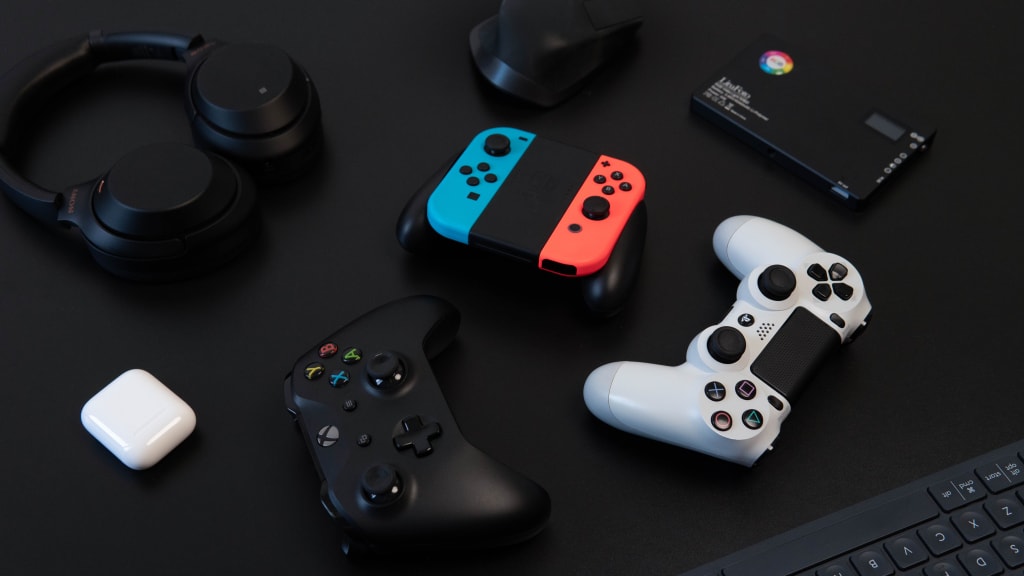
Those who read my previous stories know that gaming is my passion. I have been playing computer games since my childhood. I also contribute to the industry as a designer and media specialist.
Since joining this platform, I have written many stories about gaming and established a gaming publication that grows rapidly and gives voice to many gaming writers. However, I still learn constantly and don’t consider myself an expert in the field.
In this post, I aim to briefly introduce the industry and give some tips based on my experience and engagement with business people developing, marketing, and selling products.
If you are a passionate gamer like me and want to learn technical aspects and earn your living as a business owner in the gaming industry, this story might give you some practical tips.
I provide a step-by-step guide to gamers to consider entrepreneurship. I also highlight key success factors and introduce required tools, processes, and technologies for success.
A Brief Introduction to the Gaming Industry.
The gaming industry is a multi-billion-dollar industry that continues to grow. The gaming world comprises every game, whether mobile, PC, or console.
Games on mobile devices are more popular than ever, but the most prominent industry lies in PC games.
The top five publishers in the world have developed dozens of sequels to hit games and are constantly innovating based on what gamers want most: online multiplayer experiences with competitive play.
As with most industries, gaming has seen a popularity boom over the past few years. One of the significant statistics to watch for as you plan for your own business will be how big the gaming industry is in comparison to other sectors.
Many companies produce something for every market, so we’ve broken them down and explained where they sit on the spectrum of potential profitability.
Considering the gaming industry’s popularity and growth, it is worthwhile to consider it a potential target market.
As with most other industries, gaming companies seek to diversify their services, which, in turn, means that there is a wide selection of choices for mobile game development firms and online casino developers.
As people worldwide emphasize enjoying the finer things in life and are becoming more concerned about their well-being, gaming companies are finding it easier each day to produce and sell entertainment.
The increase in the number of companies producing games has resulted in tremendous competition, which should translate into higher sales for companies in this industry.
While gaming has previously been a niche hobby of techies and those with the latest and greatest PCs, it’s now something that a broad audience enjoys. As a result, demand is enormous, with the games industry currently valued at over $105 billion.
In the past few years, we experienced a gaming revolution. It truly excites me. As a result, using games as a marketing tool is no longer a niche idea. Instead, it’s becoming more common, and companies in various industries are integrating gaming into their endeavors.
Industry leaders have developed a new interactive application that increases efficiency and optimizes data. The gaming industry is an ever-expanding market with billions of dollars made yearly.
For example, in 2017, the total global video game revenues were around $100 billion, a 6% increase from the previous year and the first time since 2011 that global video game revenues have surpassed $100 billion in a single year.
The global gaming industry is growing with a predicted 6% growth rate. It is also a market where you can buy goods and services for your console or mobile device related to playing games.
The gaming industry is poised to grow as new technologies are emerging in mobile, virtual, and augmented reality.
Game developers and publishers are placing larger bets on virtual and augmented reality, an immersive medium helping to bridge the gap between video games and other media.
Popular Gaming Types and Platforms.
Let me introduce some gaming types and give you an idea of their size.
Mobile games
Some of the most popular mobile games consist of the following: Call of Duty: Mobile, Pokémon GO, Candy Crush, Clash of Clans, and Among Us.
Games on Steam (PC storefront)
There are thousands of games currently available on Steam, but here are a few examples of the most popular ones: Counter-Strike: Global Offensive, Grand Theft Auto V, Elden Ring, Apex Legends, Dota 2.
Games on other PC platforms
Video game publishers sometimes prefer to publish their games on their storefronts, sometimes in addition to other popular storefronts such as Steam. Here are some of the most well-known storefronts on PC: Epic Games Store, Ubisoft Connect, Origin, Battle.net, and GOG.
Games on Nintendo
Nintendo also has various categories of games in their store, but some of the most popular games for the current Nintendo console (the Nintendo Switch) consist of the following: Mario Kart 8 Deluxe, The Legend of Zelda: Breath of the Wild, Super Smash Bros. Ultimate, Super Mario Odyssey, Animal Crossing: New Horizons.
Games on PlayStation
Since the list of the most popular games on PlayStation and Xbox will be very similar, here are the most popular PlayStation-exclusive games: Gran Turismo, Ghost of Tsushima, Uncharted, Ratchet & Clank, God of War, The Last of Us, Spider-Man.
Games on Xbox
Here are the most popular Xbox-exclusive games: Halo, Forza Horizon, Forza Motorsport, Sea of Thieves, Gears.
VR/AR games
I actually wrote about VR gaming in a recent post. You can view that here. Most VR headsets don’t have their own storefront, but instead, players can purchase games from the storefront of the platform they’re using their VR headsets on.
For example, if you’re using a PlayStation VR, you can get games from the PlayStation store. Using an oculus headset, you can get games from various PC storefronts, such as Steam.
Here are the most popular VR games: Beat Saber, Superhot VR, The Elder Scrolls V: Skyrim VR, No Man’s Sky, Half-Life: Alyx
How can you design and develop computer games, and what tools might you need to use?
Designing and developing computer games requires a combination of creative and technical skills, and many tools and technologies can be helpful as you work on your projects. Here are some general steps and tools you might consider as you begin to design and develop computer games:
Determine your goals and target audience: The first step in designing and developing a game is to determine what you desire to achieve with your game and who your target audience will be. This will help you focus your efforts and ensure that you are creating a game that meets the needs and interests of your players.
Choose a game engine: A game engine is a software platform that provides the tools and technologies you need to create interactive games. Some popular game engines include Unity, Unreal Engine, and CryEngine. Choose a game engine that meets your needs and is appropriate for your level of experience and the type of game you create.
Design your game: Once you have chosen a game engine, you can begin designing your game. This may involve sketching game concepts, creating character designs, and prototyping gameplay mechanics. You may want to use tools such as pencil and paper, drawing software, or level design software to help you with this process.
Develop your game: Once you have a solid game design, you can begin developing your game using the tools and technologies provided by your game engine. This may involve programming gameplay mechanics, creating 3D models and animations, and integrating audio and other media.
Test and debug your game: As you develop your game, it’s essential to regularly test and debug your code to ensure that your game is functioning correctly and is enjoyable to play. You may want to use tools such as debuggers and profilers to help you identify and fix any issues that arise.
Publish and market your game: Once it is complete, you’ll need to publish and promote it to make it available to players. This may involve distributing your game through digital marketplaces, creating marketing materials and social media campaigns, and engaging with the gaming community.
Popular Computer and Mobile Game Designing and Development Software.
Many software tools and technologies are available for designing and developing computer and mobile games. I’d like to introduce you to some tools so you can search for them and learn about them in detail.
Here is a summary of essential requirements:
Game engines: Game engines are software platforms that provide the tools and technologies you need to create interactive games. Some popular game engines for computer and mobile games include Unity, Unreal Engine, and CryEngine.
Level design software: Level design software is used to create and design the environments and levels in which your game takes place. Some popular options include Tiled, Mappy, and the level design tools included with game engines such as Unity and Unreal Engine.
Graphics and modeling software: Graphics and modeling software are used to create the 3D models, characters, and environments that make up your game. Some popular options include Blender, 3ds Max, and Maya.
Audio software: Audio software is used to create and edit sound effects and music for your game. Some popular options include Audacity, Adobe Audition, and Pro Tools.
Programming languages: Programming languages are used to write the code that powers your game. Some popular options for game development include Java, C++, and C#.
Debuggers and profilers: Debuggers and profilers are tools that help you identify and fix problems in your code. Some popular options include GDB, Visual Studio Debugger, and Xcode Debugger.
Mobile app development tools: If you are developing a mobile game, you may need to use tools for creating and publishing mobile apps. Some popular options include Android Studio and Xcode.
What are the most common and useful gaming technologies for developers?
The specific technologies used can vary depending on the type of game being developed and the platforms it is being developed for.
I repeat some points from the previous section to give you a full picture of the technologies in one place.
From my experience, here are some examples of technologies that are commonly used in game development.
Game engines: Game engines are software platforms that provide tools and features for creating games. Some popular game engines include Unreal Engine, Unity, and CryEngine.
Physics engines: Physics engines simulate the physical behavior of objects in a game. This includes things like gravity, collisions, and other physical interactions.
3D graphics technology: 3D graphics technology renders 3D environments and characters in games. This typically involves using graphics libraries such as OpenGL or DirectX to access the hardware graphics processing unit (GPU) capabilities.
Networking: Networking technology enables multiplayer gaming, allowing players to play together online. This includes TCP/IP and UDP communication between game clients and servers.
Audio technology: Audio technology creates sound effects and music for games. This can involve using digital audio workstations (DAWs) and synthesizers to create and edit audio and integrate it into the game using libraries like OpenAL.
Artificial intelligence: Artificial intelligence (AI) is used to control the behavior of non-player characters (NPCs) in games. This can involve simple behaviors like patrolling an area or more complex behaviors like adapting to the player’s actions.
Key Success Factors in the Gaming Industry.
There are many paths to success in the gaming industry, and the specific direction that will be most effective for you will depend on your goals, skills, and interests. Here are a few general pieces of advice that may be helpful:
Choose a specific area of focus: The gaming industry is vast and encompasses many different roles and areas of expertise. Consider what you are most interested in and choose a specific area to focus on, such as game design, programming, art, audio, or writing. This will allow you to build expertise in a specific area and make yourself more valuable to potential employers.
Keep learning: While there are many successful game developers who are self-taught, having a formal education in a relevant field can be very helpful. Consider enrolling in a game design or computer science program at a university or online school to gain the skills and knowledge you need to succeed in the industry.
Build a strong portfolio: As you work on projects and gain experience, be sure to keep track of your work and build a strong portfolio of your accomplishments. This will be essential when seeking employment or pitching your ideas to potential partners or investors.
Make meaningful connections: Building relationships with other professionals in the industry can be beneficial in advancing your career. Consider attending industry events, joining professional organizations, and connecting with other professionals on social media to expand your network.
Stay up to date: The gaming industry is constantly evolving. Therefore, it is essential to stay current with new technologies, trends, and best practices. Be sure to read industry news regularly and remain engaged with the community to ensure that you continuously learn and grow as a professional.
How to become a successful entrepreneur in the gaming industry
Starting and running a successful business in the gaming industry can be challenging, but it can also be gratifying. If you enjoy gaming and serving your customer, you will not see it as a job but a hobby.
Here are six steps that may be helpful as you work to build a successful gaming company:
Identify a need or opportunity: The first step in starting any successful business is identifying a need or opportunity in the market. This could be a new type of game, a new way of distributing games, or a new service related to gaming.
Develop a business plan: Once you have identified a need or opportunity, the next step is to develop a detailed business plan that profiles your goals, target market, marketing and sales strategy, and financial projections. This can help you stay organized and focused as you build your business.
Build your dream team: No business can succeed without a strong group of dedicated and talented people. As you start your gaming business, be sure to surround yourself with people who share your vision and are passionate about your work.
Secure your financing: Starting a business often requires significant financial resources, and you may need to seek funding from investors, banks, or other sources to get your business off the ground. Be prepared to pitch your business idea and present a solid financial plan to potential investors.
Launch and market your product: Once you have a solid business plan and a strong team, it’s time to launch your product or service. Be sure to allocate enough resources to marketing and promotion to ensure that your product reaches your target audience.
Stay focused, flexible, and adaptable: Starting and running a business can be a daunting and unpredictable process, and it’s important to stay focused on your goals and be adaptable as you encounter obstacles or changes in the market. Don’t be shy to pivot or make changes as required to ensure the long-term success of your business.
I hope these high-level points give you some guidance and inspire you to become an entrepreneur in the gaming industry.
If you enjoy my posts, please consider following my profile since I plan to post about exciting gaming-related news and talk about technology, design, and social media in my stories.
With that being said, thank you for reading my post, and have a good one.
About the Creator
Inspiring YouTuber and Gamer
I specialise in Media, Design, and Filmmaking. I support Illumination Integrated Publications on Medium as an editor and YouTube coordinator. https://www.youtube.com/watch?v=F9DhuGQYbpI& I also own two publications for Gaming and Podcasts.
Keep reading
More stories from Inspiring YouTuber and Gamer and writers in Gamers and other communities.
What Are the Console Wars?
As an avid video game player, I play multiple games on various different consoles. But even though I regularly play on each console, many of my friends keep trying to fish an answer out of me of my opinion on the dominant console.
By Inspiring YouTuber and Gamer3 years ago in Gamers
Dodgers
The Los Angeles Dodgers have long been one of the most influential franchises in MLB, known for combining elite player development with the financial flexibility to pursue top-tier talent. From consistent postseason appearances to being counted among recent World Series winners, the Dodgers continue to shape league-wide conversations. As the new season approaches, Dodgers news is once again dominated by roster construction, payroll discussions, and persistent MLB trade rumors—especially those surrounding Kyle Tucker. The Dodgers’ Identity in Modern MLB Few teams balance tradition and innovation quite like the LA Dodgers. Their front office has mastered analytics while still valuing star players who can deliver in October. The current Dodgers roster reflects that philosophy, blending established veterans with emerging talent. Over the years, names like Cody Bellinger have defined eras of success, while new possibilities continue to fuel speculation. The Dodgers’ ability to remain competitive is also tied to their willingness to maintain a high Dodgers payroll. While they are not reckless spenders, they are strategic—targeting players who can elevate both performance and brand value. Kyle Tucker and Why He Fits the Dodgers Narrative Among the most discussed names in recent MLB rumors is Kyle Tucker. A consistent offensive presence and reliable defender, Tucker has emerged as one of the most complete players in modern baseball. Naturally, that has led to growing interest in a potential Kyle Tucker Dodgers scenario. So, what position does Kyle Tucker play? Tucker is primarily a right fielder, though his athleticism allows flexibility across the outfield. That versatility makes him especially attractive to teams like the Dodgers, who value adaptable Dodgers outfielders capable of handling high-pressure situations. The phrase “Tucker baseball” has become shorthand for a balanced skill set: power, patience, and postseason reliability. It’s no surprise that Kyle Tucker news often trends alongside big-market teams. Contracts, Agents, and the Cost of Stardom Any serious discussion of Tucker to Dodgers inevitably leads to contract considerations. The idea of a Kyle Tucker contract Dodgers deal raises questions about years, value, and long-term impact. While no official Kyle Tucker deal has been announced, speculation continues around what such a move would require. The Kyle Tucker agent would likely prioritize both financial security and a winning environment—two things the Dodgers can credibly offer. Still, committing to a potential Kyle Tucker Dodgers contract would require careful planning, especially with other stars already on the books. Misspellings like kyle.tucker, kyle tuxker, or even kyke tucker frequently appear in online searches, underscoring just how much attention surrounds him across the baseball world. How Tucker Could Shape the Dodgers Lineup If a Dodgers Tucker scenario ever materializes, it would have a major impact on the Dodgers lineup. A projected middle-of-the-order bat like Tucker could slot seamlessly into a Dodgers projected lineup, offering protection for existing stars and adding depth in late-game situations. Comparisons have been drawn between Tucker and former Dodgers standouts like Bellinger, particularly in terms of two-way impact. While Cody Bellinger brought elite defense and timely power, Tucker offers a more consistent offensive profile year over year. Competition From the Mets and Other MLB Teams Of course, the Dodgers are not alone in pursuing elite talent. The NY Mets, backed by owner Steve Cohen, have made it clear they are willing to spend aggressively. Mets news often mirrors Dodgers news, especially when it comes to top-tier MLB free agents and trade targets. Names like Edwin Diaz and Bo Bichette frequently appear in league-wide discussions, highlighting how interconnected roster decisions have become. Any move involving Tucker would likely ripple across the league, influencing strategies for teams like the Mets, who remain active in both free agency and trades. MLB Trade Rumors and the Bigger Picture Sites such as MLBTradeRumors regularly analyze scenarios involving Kyle Tucker to Dodgers, though nothing has been confirmed. These rumors reflect a broader truth: elite players drive conversation, even when deals never materialize. The Dodgers understand that not every rumor becomes reality. Still, being linked to players like Tucker reinforces the team’s image as a perennial contender. Whether through trades or internal development, the goal remains the same—build a roster capable of winning another championship. Looking Ahead: What This Means for the Dodgers As the season unfolds, the Dodgers will continue to evaluate opportunities that align with their long-term vision. The idea of Dodgers Kyle Tucker is compelling, but it’s only one chapter in a much larger story about sustained excellence. With a deep farm system, financial flexibility, and a proven track record, the Los Angeles Dodgers remain at the center of MLB news. Whether or not Tucker ever wears Dodger blue, the conversations surrounding him highlight how the franchise continues to influence the direction of the league. In the end, the Dodgers’ success has never hinged on a single move. It’s about smart decisions, calculated risks, and an unwavering commitment to winning—qualities that keep them relevant, respected, and always worth watching.
By Saboor Brohi 2 days ago in Gamers
Marvel Rivals Patch Notes: Season 6 "Night at the Museum" - Full Breakdown, Deadpool Abilities, and Hero Buffs
The wait is almost over! NetEase Games has finally pulled back the curtain on the next massive update for its hit superhero shooter. If you’ve been searching for the latest Marvel Rivals patch notes, you’re in the right place. Season 6, titled "Night at the Museum," is officially set to launch on January 16, 2026, and it’s bringing the Merc with a Mouth along for the ride.
By Info Post Gate5 days ago in Gamers



Comments (1)
Thank you for this comprehensive guide. I enjoyed it very much.