
HOW THE FIRST AFRICAN-AMERICAN OLYMPIANS SHAPED THE GAMES
How Trailblazing African-American Olympians Redefined History and Inspired Future Generation.

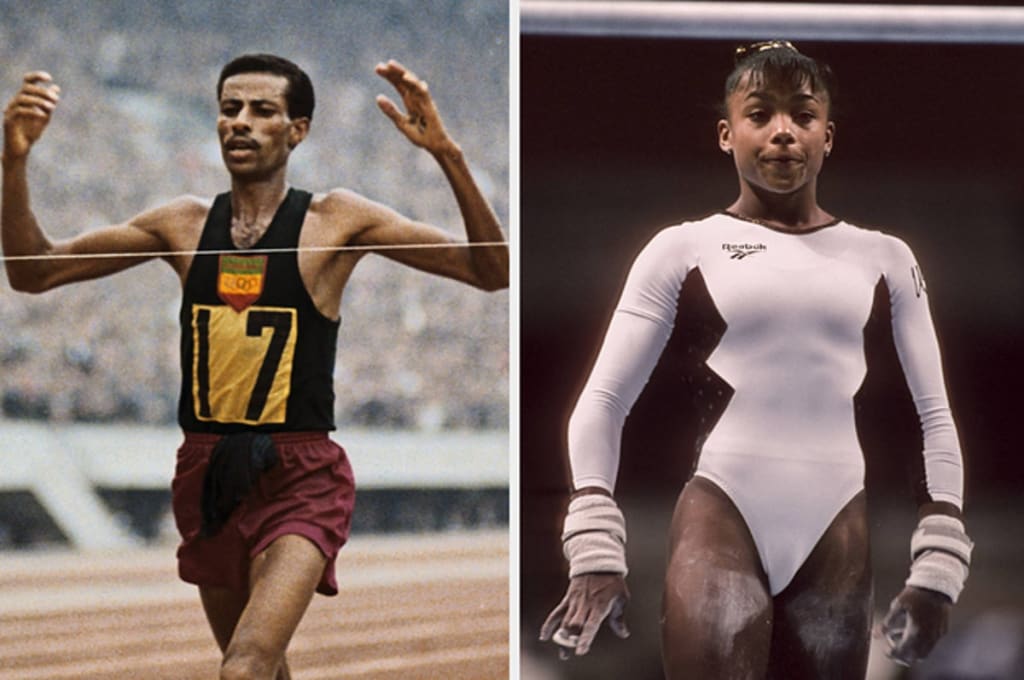
The Olympic Games have long symbolized the pursuit of excellence, unity, and perseverance, but they have also mirrored the struggles of society. For African-American athletes, participation in the Olympics has been a testament to resilience and triumph against overwhelming odds. In the early 20th century, as racial segregation and discrimination loomed large in the United States, the first African-American Olympians broke barriers that shaped not only the Games but also the trajectory of sports and civil rights history.
Early Challenges: The Struggle to Compete
In the late 19th and early 20th centuries, racial segregation in the United States limited opportunities for African-Americans in nearly every facet of society, including sports. Black athletes faced systemic racism, limited resources, and exclusion from major competitions. However, through grit and unwavering determination, some managed to rise above these barriers.
The inclusion of African-American athletes in the Olympics began to shift the narrative. Their successes on the global stage challenged racial stereotypes and demonstrated the extraordinary talents of Black athletes. This milestone was not just about sports but about asserting equality and changing perceptions.
George Poage: Breaking the Color Barrier
George Poage became the first African-American Olympian when he competed at the 1904 St. Louis Olympics. Although these Games were marred by controversies surrounding racial insensitivity and exclusion, Poage's participation was groundbreaking. A standout track athlete at the University of Wisconsin, Poage competed in the 200-meter hurdles and the 400-meter hurdles, earning two bronze medals. His achievements were historic, as he paved the way for future generations of African-American athletes.
Despite his success, Poage’s accomplishments were not widely celebrated at the time due to the racial climate of the era. Nevertheless, his legacy endures as a pioneer who refused to let societal constraints define his ability to compete and excel.
The Impact of DeHart Hubbard: A Leap Toward Change
DeHart Hubbard solidified the presence of African-American athletes at the Olympics when he won the gold medal in the long jump at the 1924 Paris Games. Hubbard’s victory was significant because it marked the first time an African-American athlete had won Olympic gold in an individual event. His performance not only showcased his immense talent but also brought pride and hope to African-American communities.
Hubbard’s achievements inspired a generation of young Black athletes, proving that they could compete and win at the highest levels. His success was more than a personal victory; it was a powerful statement that African-Americans belonged in the international sporting arena.
Jesse Owens: A Defining Moment in Olympic History
The story of African-American Olympians would be incomplete without acknowledging the monumental achievements of Jesse Owens at the 1936 Berlin Olympics. Owens dominated the Games, winning four gold medals in the 100 meters, 200 meters, long jump, and 4x100 meter relay. His triumphs were not just about athletic prowess but also about defying Adolf Hitler’s racist ideology of Aryan supremacy.
Owens’s victories reverberated around the world, challenging notions of racial inferiority and serving as a beacon of hope for oppressed people everywhere. Back in the United States, however, Owens continued to face racial discrimination, highlighting the paradox of being celebrated internationally while being marginalized at home. His story remains one of the most inspiring examples of using sports to transcend racial barriers.
Wilma Rudolph: Breaking Barriers for African-American Women
The 1960 Rome Olympics saw another turning point with Wilma Rudolph, who became the first African-American woman to win three gold medals in a single Olympic Games. Rudolph’s victories in the 100 meters, 200 meters, and 4x100 meter relay shattered records and societal expectations. Her story was particularly inspiring because she overcame polio as a child, which had left her unable to walk without braces.
Rudolph’s achievements were groundbreaking for both women and African-Americans. She became a role model, proving that through determination and perseverance, anything is possible. Her success opened doors for future generations of female athletes and solidified the importance of diversity in sports.
A Legacy of Inspiration
The accomplishments of the first African-American Olympians extended far beyond the track, field, or pool. These pioneers laid the foundation for future generations of athletes and activists. By competing on the world stage, they challenged systemic racism and inspired millions to pursue their dreams, regardless of the barriers they faced.
Their victories were not just personal triumphs but also collective achievements that signaled progress in the fight for racial equality. Athletes like George Poage, DeHart Hubbard, Jesse Owens, and Wilma Rudolph demonstrated that sports have the power to bridge divides, challenge injustice, and unite people across the globe.
In The End
The journey of African-American Olympians began with pioneers who overcame monumental obstacles to prove their worth on the international stage. Their contributions to the Olympic Games and society at large cannot be overstated. They were trailblazers who used their talents to confront prejudice, challenge stereotypes, and inspire future generations.
Today, their legacy lives on in every athlete who strives for greatness, regardless of their background. The barriers they broke, the victories they achieved, and the stories they shared have left an indelible mark on the history of the Olympic Games and the ongoing fight for equality.
About the Creator
Badhan Sen
Myself Badhan, I am a professional writer.I like to share some stories with my friends.
Keep reading
More stories from Badhan Sen and writers in Gamers and other communities.
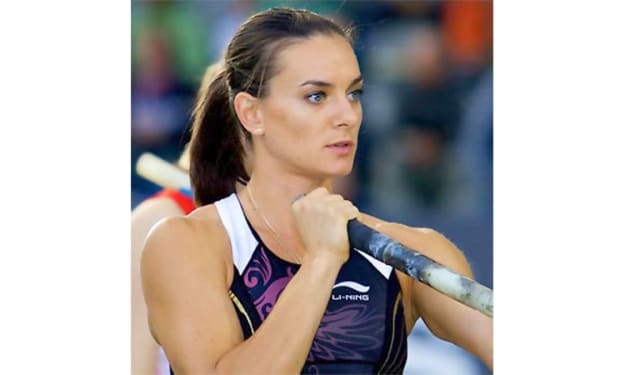
THE ROLE OF YELENA ISINBAYEVA IN REVOLUTIONIZING POLE VAULT
Yelena Isinbayeva stands as one of the most iconic figures in the history of athletics, particularly in the discipline of pole vault. Her name is synonymous with excellence, innovation, and dominance in the sport. As a two-time Olympic gold medalist, multiple-time World Champion, and holder of an unprecedented number of world records, Isinbayeva not only transformed women’s pole vault but also inspired generations of athletes. Her influence extends far beyond her achievements, as she brought global attention to pole vaulting, redefined its technical boundaries, and elevated the sport to new heights.
By Badhan Senabout a year ago in Gamers
u4gm What Sigil of Power Does in Path of Exile 2
As Path of Exile 2 characters advance deeper into mid- and endgame content, raw stat upgrades lose much of their impact. At that stage, real damage gains usually come from mechanics that scale multiplicatively or interact directly with core resources like mana. For spell-based builds, one of the most efficient yet frequently underestimated tools is Sigil of Power.
By Asik Gxbx Hdjdh5 days ago in Gamers
Mastering the Pocket Exhaustion Debuff in Rush Royale Co-Op
The landscape of Rush Royale co-op has shifted dramatically with the rework of the Pocket Exhaustion enchantment. If you have spent any time in the higher dungeons recently, you likely noticed strange projectiles flying across the board.
By Richard Bailey4 days ago in Gamers



Comments
There are no comments for this story
Be the first to respond and start the conversation.