
HOW THE COVID-19 PANDEMIC WILL CHANGE FUTURE OLYMPIC EVENT
Adapting to New Normal:The Future of Olympic Events Post-COVID-19


The COVID-19 pandemic has profoundly impacted every aspect of Global society, and the Olympic Games, as one of the world’s largest international sporting events, were not immune to its effects. The Tokyo 2020 Olympics, delayed until 2021, were a prime example of how a pandemic could reshape one of the most storied traditions in the world. As the world continues to adjust to the aftereffects of the pandemic, it’s clear that the changes initiated by COVID-19 will likely shape future Olympic events in several key ways, from health protocols and audience management to technological advancements and the overall spirit of international competition.
(I)Health and Safety Protocols
One of the most immediate and lasting changes to future Olympics will be the heightened emphasis on health and safety protocols. In Tokyo 2020, strict measures were implemented to protect athletes, officials, and support staff. These included mandatory testing, vaccination requirements, quarantine periods, and the absence of international spectators. Going forward, these protocols will likely remain a staple in the organization of the Games. The International Olympic Committee (IOC) will have to continue adjusting health measures based on future pandemics, potential health threats, and the evolution of the global healthcare landscape.
The COVID-19 pandemic demonstrated that even the most established international events can be disrupted by global health emergencies. Therefore, the IOC may invest in more robust contingency planning, including the creation of contingency budgets, flexible scheduling, and advanced medical technology to monitor health and safety on-site. Additionally, the pandemic showed the importance of mental health for athletes, which could lead to increased mental health support services in future Olympic Games.
(II)Virtual and Remote Participation
The COVID-19 crisis accelerated the adoption of virtual and remote technologies, and this trend is likely to influence future Olympic events. While the Olympics traditionally rely on physical presence, especially for competitors, the pandemic made remote participation a necessity for certain events, including press conferences and coaching sessions. As a result, the IOC may consider allowing more remote or virtual participation in certain aspects of the Games.
Although it’s unlikely that the core Olympic competitions will shift entirely to virtual formats, the integration of virtual events may become more common in the lead-up to the Games. For example, the IOC could consider holding virtual competitions as part of the qualification process or during exhibition events. Moreover, digital platforms and virtual reality (VR) could allow fans to experience events from home in immersive, interactive ways that mimic the feeling of being in the stadium.
(III)Audience Management and Fan Engagement
Another significant change likely to persist is the evolution of audience management. During the Tokyo 2020 Games, the absence of spectators was a major shift, but this created a unique opportunity to rethink how fans engage with the Olympics. Moving forward, large-scale public health crises or concerns may lead to restrictions on crowds, which could make remote viewing, live streaming, and digital fan experiences even more important. Augmented Reality (AR) and Virtual Reality (VR) could play a significant role in enhancing fan experiences, enabling virtual spectators to "attend" events from the comfort of their homes.
Even in a post-pandemic world, the ability to control large crowds and ensure social distancing could influence how ticketing and crowd management are approached. Digital ticketing systems, contactless payments, and crowd monitoring technologies will likely be integrated into future Olympics. Social media and digital platforms will also remain central to fan engagement, offering interactive experiences like live polling, athlete interactions, and virtual meet-and-greets with Olympians. The post-pandemic Olympics may see a blending of physical and virtual spectatorship, creating a more inclusive global audience.
(IV)Technological Advancements
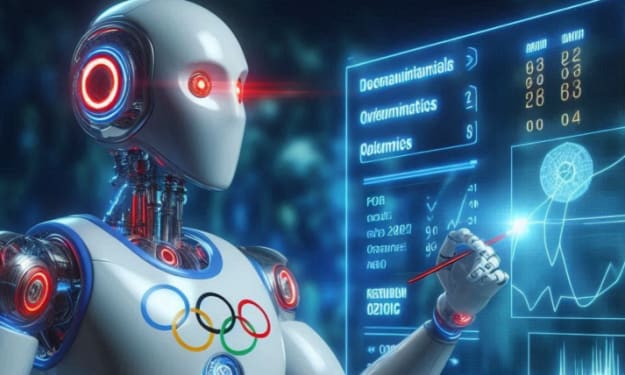
COVID-19 also expedited the integration of technology in Olympic events, not just for safety reasons, but also for enhancing the viewer experience. The 2020 Tokyo Olympics saw innovations such as advanced robotic cameras, AI-assisted analytics for performance measurement, and live-streaming in 8K resolution. These technological advances will likely become more widespread in future Olympics, transforming how both athletes perform and spectators experience the Games.
The Olympics may embrace even more data-driven technologies for tracking athlete performance, providing more precise measurements and real-time insights. Wearables, motion sensors, and AI will offer deeper analysis for viewers, helping them understand an athlete's journey in a way never before possible. Similarly, AI-powered personalization of content for viewers, such as tailored notifications for specific events or athletes, could be a permanent feature.
Additionally, the use of blockchain technology could transform aspects of the Olympic Games, including ticketing, merchandise sales, and even voting systems for awards or future host city selection. By offering a secure and transparent way to track transactions, blockchain could increase trust in the process and ensure a fairer distribution of resources.
(V)Sustainability and Legacy
Finally, the pandemic’s disruption has also underscored the importance of sustainability and long-term planning for the Olympics. Host cities, already under pressure to balance economic and environmental factors, may seek to implement more sustainable practices in the organization of the Games. The IOC has emphasized sustainability, and the pandemic highlighted the need for greater resilience in the face of future crises. This might include more emphasis on local, eco-friendly venues, reducing waste, and mitigating the environmental impact of the Games.
The pandemic has made clear that the Olympic Games are not isolated from the challenges of the modern world. Moving forward, Olympic organizers will likely need to integrate more flexible, scalable solutions that take into account potential global disruptions, climate change, and economic uncertainty.
In The End
The COVID-19 pandemic has reshaped the way the world perceives and organizes major international events, and the Olympics are no exception. The future of the Games will likely feature enhanced health and safety measures, the adoption of digital and virtual engagement, technological advancements, and a greater emphasis on sustainability. The IOC and host cities will have to remain adaptable to future challenges, ensuring that the Olympic spirit endures despite a rapidly changing world. While the essence of the Olympics – international unity, competition, and excellence – will remain the same, the pandemic has shown that innovation and resilience will be critical in ensuring that the Games thrive in the future.
About the Creator
Badhan Sen
Myself Badhan, I am a professional writer.I like to share some stories with my friends.
Keep reading
More stories from Badhan Sen and writers in Gamers and other communities.
PREDICTION FOR THE IMPACT OF ARTIFICIAL INTELLIGENCE ON THE OLYMPICS
The Olympics, the world’s foremost multi-sport event, has long been a spectacle of athletic achievement, cultural unity, and international competition. With each new edition of the Games, technological advancements have played a role in enhancing the experience for athletes, officials, and spectators alike. Among the most transformative of these advancements in recent years is the rise of Artificial Intelligence (AI), which promises to revolutionize various aspects of the Olympics. As we look to the future, it is clear that AI will have a profound impact on the Games, influencing everything from training and performance analysis to fan engagement and the way the Olympics are organized.
By Badhan Senabout a year ago in Gamers
U4gm Diamond Dynasty Red Diamond Cards: Which One Truly Dominates MLB The Show 26?
MLB The Show 26 has taken Diamond Dynasty to an entirely new level, and nothing has the community more excited than the ultra-rare Red Diamond cards. These cards aren’t just for collectors—they can completely change the outcome of Ranked Mode matches, turning a close game into a legendary comeback. But with so many options available, which Red Diamond cards truly stand out?
By Dangyc Ding2 days ago in Gamers
The Honed Ashlar, Part 2 of 5
Part 2: The Level and the Gavel The Chamber of Silence Silas awoke to silence, heavy, absolute. The air scrubbed of exhaust; smelling of cold stone, raw beeswax, and the metallic tang of a whetstone. He lay on a cot. Not a mission mat. Taut canvas stretched over a steel frame. Plumb. Level. The bolts tightened to a specific, unyielding torque. No sagging allowed.
By Nathan McAllister6 days ago in Gamers
Writing To Succeed
If you want to find something that will help readers find your writing, possibly expand your audience, and maybe even get you noticed for other things, then you’re not alone. But how can you get it done in a world full of want-to-be writers? Look less at what you’re writing now, and more at what other writers have used to boost their views and reads.
By Jason Ray Morton 7 days ago in Writers



Comments
There are no comments for this story
Be the first to respond and start the conversation.