
How Sports Massage Improves Flexibility and Performance
How Sports Massage Improves Flexibility and Performance

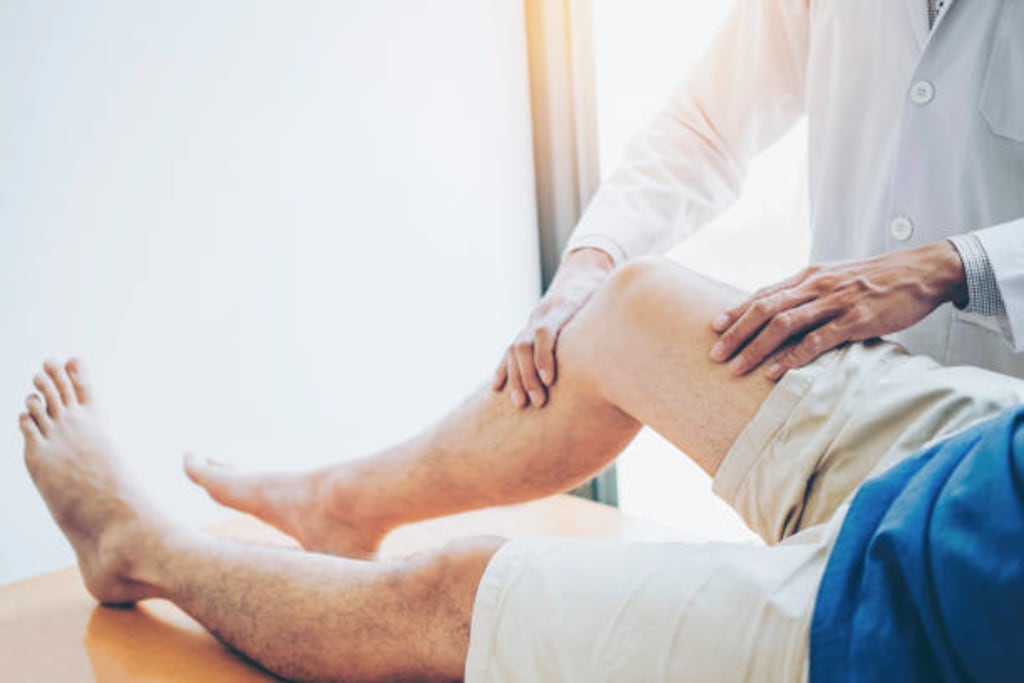
Sports massage is a therapeutic technique designed to enhance athletic performance, prevent injuries, and aid recovery. Whether you're a competitive athlete or someone who simply enjoys regular physical activity, the benefits of sports massage are vast. One of the key advantages of this technique is its ability to improve flexibility and performance. In this article, we’ll explore how sports massage works, the techniques involved, and the ways in which it can help you improve both flexibility and overall performance.
What Is Sports Massage?
Sports massage is a form of deep tissue massage that targets the muscles and soft tissues involved in physical activity. Unlike regular massage, which focuses on relaxation, sports massage is specifically designed to address the stresses and strains placed on the body during exercise and sports. The primary goal is to improve muscle function, reduce pain, and enhance the body's ability to recover and perform.
Sports massage techniques typically involve kneading, stretching, and applying pressure to specific muscle groups, helping to increase blood circulation, release muscle tension, and promote lymphatic drainage. These methods not only help reduce discomfort and stiffness but can also improve the body's flexibility and overall performance.
How Sports Massage Improves Flexibility
Flexibility is the range of motion available at a joint or muscle group. It plays a crucial role in athletic performance, as it allows the body to move more efficiently and reduces the risk of injury. Here’s how sports massage can help improve flexibility:
- Increased Blood Flow and Oxygen Delivery
One of the main benefits of sports massage is its ability to stimulate blood flow to the muscles. Increased circulation helps deliver more oxygen and nutrients to muscle fibres, promoting recovery and reducing muscle tightness. When muscles are well-nourished and supplied with oxygen, they become more pliable, which enhances flexibility. This increased circulation can also help flush out metabolic waste products, such as lactic acid, which can contribute to muscle stiffness.
- Breaking Down Muscle Adhesions and Scar Tissue
Over time, muscles can develop adhesions, or areas of tissue where fibres become stuck together. These adhesions can limit flexibility by restricting the natural movement of muscles. Sports massage helps break down these adhesions and scar tissue, which in turn improves muscle elasticity. By targeting these areas, massage can help restore the muscles' natural range of motion and prevent stiffness.
- Stretching and Lengthening Muscle Fibres
During a sports massage session, the therapist will often use techniques such as deep tissue manipulation and trigger point therapy to stretch and elongate muscle fibres. This helps release tension in the muscles and improves overall flexibility. Stretching the muscles in this way can also increase the length of the muscle fibres, leading to greater flexibility and mobility.
- Reduction of Muscle Tension and Stiffness
Tight muscles are one of the main reasons for limited flexibility. Sports massage helps reduce muscle tension by applying pressure to specific points along muscle groups. The deeper pressure used in sports massage targets the muscle fibres and helps them relax, improving flexibility. Regular massage sessions can gradually reduce chronic muscle stiffness and improve joint mobility, which is vital for both athletic performance and injury prevention.
How Sports Massage Enhances Performance
The benefits of sports massage extend beyond just flexibility. Regular sports massage can significantly enhance athletic performance in a variety of ways:
- Improved Range of Motion
A greater range of motion is essential for optimal performance in many sports. Sports massage helps improve the flexibility of muscles and joints, which can increase the range of motion. Whether you're running, swimming, cycling, or playing a team sport, better mobility allows for more efficient movement and better overall performance. The increased range of motion also reduces the likelihood of improper movement patterns that could result in injury.
- Enhanced Muscle Recovery
Athletes often push their bodies to the limit, which can cause muscle fatigue, soreness, and stiffness. Sports massage helps speed up recovery by reducing muscle tension, promoting the removal of metabolic waste products, and improving blood circulation. This means that athletes can recover more quickly between workouts or events, enabling them to train harder and perform at their best. The quicker recovery time also means that athletes can maintain their performance levels over longer periods.
- Injury Prevention
Consistent sports massage helps identify and address potential issues before they become injuries. By working on areas of tension and tightness, massage helps prevent muscle imbalances that could lead to strains or sprains. It also reduces the risk of overuse injuries, which are common in athletes who engage in repetitive movements. When muscles are flexible, well-nourished, and free from tightness, the body moves more efficiently, making it less prone to injury.
- Reduction of Muscle Fatigue
Muscle fatigue can severely affect an athlete’s performance, leading to slower reaction times, decreased strength, and poor endurance. Sports massage helps alleviate fatigue by increasing blood circulation to the muscles, which provides them with more oxygen and nutrients to function effectively. Furthermore, the relaxation of muscle tension following a massage can help athletes feel less fatigued and more energised, leading to improved performance during their activities.
- Improved Mental Focus
Sports massage not only benefits the body but also has psychological effects. The relaxation and stress-reduction benefits of massage can help clear the mind and improve mental focus. This is particularly beneficial in sports that require concentration, such as golf, tennis, or gymnastics. By reducing physical discomfort and promoting relaxation, sports massage allows athletes to focus more effectively on their performance, helping them achieve their goals.
The Role of Sports Massage in a Training Routine
For athletes looking to improve flexibility and performance, sports massage should be considered an essential part of their training routine. Regular sessions with a qualified therapist can have cumulative benefits over time. Many athletes choose to incorporate sports massage before or after workouts, or even as part of their recovery programme during periods of intense training.
While sports massage is highly beneficial, it’s important to remember that it should be complemented by other elements of a well-rounded fitness regime, including proper warm-ups, stretching, strength training, and rest. A balanced approach to physical training will ensure that you get the most out of your massage therapy sessions and continue to make progress in your athletic performance.
Conclusion
Sports massage is a powerful tool for improving flexibility and enhancing performance. By increasing blood flow, breaking down muscle adhesions, and reducing muscle tension, sports massage helps athletes maintain greater flexibility and mobility. The added benefits of injury prevention, improved recovery time, and enhanced muscle performance make sports massage an indispensable part of any training programme. Whether you're training for a competition or simply aiming to stay active, incorporating sports massage into your routine can help you achieve your fitness goals more effectively and with less risk of injury. If you're looking for expert treatment, consider booking a session of sports massage in Croydon to experience these benefits firsthand and enhance your overall athletic performance.
About the Creator
London Osteopathy Pilates
London Osteopathy and Pilates provides personalized osteopathy treatments, Central London acupuncture, and Pilates sessions aimed at improving overall health and well-being.
Keep reading
More stories from London Osteopathy Pilates and writers in Gamers and other communities.
How Gait Analysis Can Help You to Walk Pain-Free
Living with foot, knee, hip, or back pain can be debilitating, often interfering with your daily life. Fortunately, gait analysis—a detailed assessment of the way you walk—offers an effective solution to address pain and enhance your mobility. With a focus on Central London biomechanical analysis, this article explores how a gait professional or specialist can help you walk pain-free.
By London Osteopathy Pilatesabout a year ago in Journal
Avowed to Playstation 5
Avowed is a first-person action role-playing video game developed by Obsidian Entertainment and published by Xbox Game Studios. Set in the fantasy world of Eora, the same universe as Pillars of Eternity, the game blends deep narrative and choice-driven gameplay with immersive combat and exploration.
By Games Mode On7 days ago in Gamers
Miss Persephone's Manual to a Seemingly Ordinary Life
Miss Persephone was found at the dining table, her blue eyes swollen, her tears arriving and retreating like the tides of the ocean. Earlier that day, her family had visited her in the retirement home where she had lived for eight years. It was her eightieth birthday.
By Imola Tóth2 days ago in Fiction



Comments
There are no comments for this story
Be the first to respond and start the conversation.