
HOW HIGH-TECH EQUIPMENT IMPROVES ATHLETES' PERFORMANCE IN THE OLYMPICS
Exploring the Impact of Advanced Technology on Enhancing Olympic Athletes' Performance.

The Olympics have always been a stage where athletes showcase their dedication, skill, and determination to compete at the highest level. However, beyond the intense training, the role of high-tech equipment has become increasingly important in enhancing athletes' performance. From specialized apparel and footwear to advanced training devices and performance-tracking technologies, these innovations are reshaping how athletes prepare for and participate in the Olympic Games. The integration of cutting-edge technology not only improves performance but also ensures better safety, recovery, and precision in the world of elite sports.
Advanced Footwear and Apparel
One of the most visible advancements in Olympic sports is the evolution of footwear and apparel. In sports like running, cycling, and swimming, every fraction of a second counts, and the right gear can make a substantial difference. For example, Nike’s Vaporfly shoes, worn by several elite marathoners, have revolutionized running by incorporating a carbon fiber plate and a cushioned sole to provide a more energy-efficient stride. This allows athletes to run faster while expending less energy.
In swimming, the introduction of high-tech swimsuits like the Speedo LZR Racer suit in 2008 marked a breakthrough in performance. The suit is made from a lightweight, water-repellent material that reduces drag and helps swimmers maintain better body positioning, leading to faster times. The use of such specialized equipment has helped swimmers break numerous world records and has become a standard in competitive swimming.
Wearable Technology
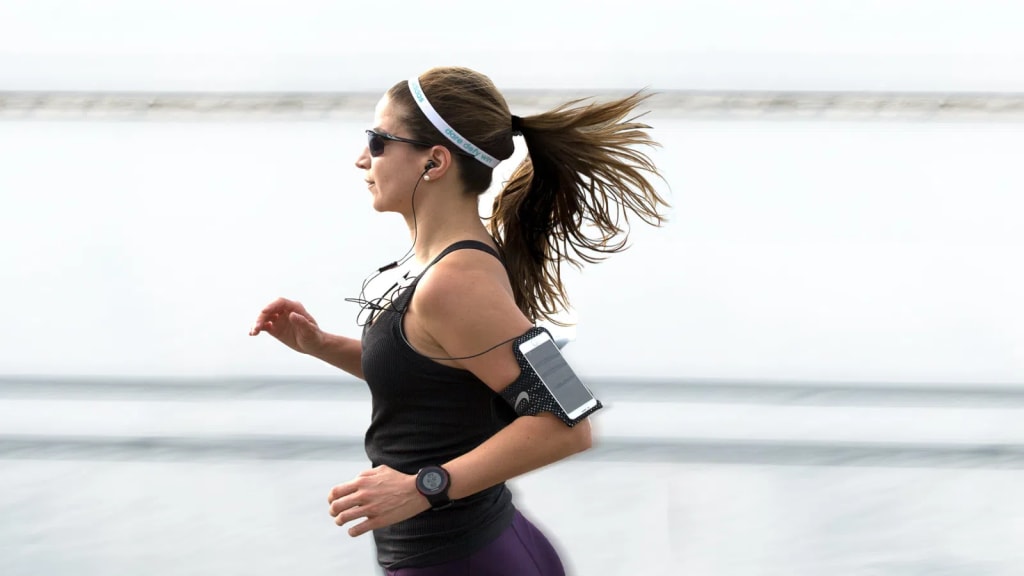
Wearable technology has transformed how athletes train and compete. Devices such as heart rate monitors, GPS trackers, and performance sensors allow athletes and coaches to collect real-time data about their physiological conditions and movement patterns. For example, heart rate monitors track cardiovascular performance, allowing athletes to maintain the ideal intensity during training and avoid overtraining.
In addition, athletes in various Olympic sports, such as track and field, basketball, and soccer, wear motion-capture sensors and smart clothing that provide data on their movements, body posture, and even muscle fatigue. This data allows coaches to create highly personalized training regimens that enhance performance while minimizing the risk of injury.
Biomechanics and Motion Analysis
Olympic athletes are constantly looking for ways to perfect their form and technique to maximize their potential. Biomechanics and motion analysis technologies help athletes fine-tune their movements by providing detailed data on their body mechanics. By using high-speed cameras and motion sensors, coaches can analyze an athlete’s technique in ways that were previously not possible.
For instance, in the sport of skiing, motion-capture systems are used to measure the exact angles and movements of an athlete’s body during a race. This information is then used to optimize posture and movement for better speed and efficiency. Similarly, in gymnastics, video analysis software allows athletes to break down their routines and improve specific aspects of their performance, from the timing of their flips to the precision of their landings.
Performance-Tracking Software
Technology has also made its mark in the form of performance-tracking software. These systems collect data from multiple sources, including wearable devices, video analysis, and sensor technology, and consolidate them into a single platform. This allows coaches and athletes to gain insights into their performance, monitor progress, and adjust strategies accordingly.
For example, in sports like cycling and rowing, performance-tracking systems monitor metrics such as speed, cadence, and power output. In real-time, these systems provide feedback, helping athletes adjust their efforts to reach peak performance. In sports like tennis, advanced tracking systems like Hawk-Eye have improved accuracy in line calling, ensuring fairness and transparency in competition. Hawk-Eye tracks the trajectory of the ball, giving both athletes and officials a precise readout of its location, which can be reviewed instantly in case of disputes.
Virtual Reality and Simulations
Virtual reality (VR) and simulation technologies have found applications in Olympic training, allowing athletes to experience realistic competition environments without the physical strain. VR training enables athletes to mentally rehearse complex scenarios, such as navigating a racecourse or responding to dynamic situations in team sports, without the need for actual practice sessions.
In sports like fencing and archery, VR systems recreate realistic competitions, allowing athletes to simulate matches, practice their techniques, and visualize their opponents. The use of VR helps improve reaction times, mental focus, and decision-making skills, providing athletes with a mental edge during high-stakes moments.
Recovery and Injury Prevention
While high-tech equipment plays a significant role in enhancing performance, it also contributes to injury prevention and faster recovery. Technologies like cryotherapy, hyperbaric oxygen therapy, and electrical stimulation devices help athletes recover more quickly from intense training or injuries. These methods promote muscle healing and reduce inflammation, ensuring that athletes remain in top condition throughout the competition.
Recovery technologies, such as infrared therapy and pneumatic compression devices, help improve circulation and decrease muscle soreness after strenuous exercise, allowing athletes to train harder and perform better. For example, Olympic athletes have used compression garments and recovery boots to enhance their recovery time between events, keeping them fresh and ready to compete.
AI and Data Analytics
Artificial intelligence (AI) is becoming a powerful tool in the world of elite sports. AI-powered systems analyze vast amounts of data to uncover patterns and insights that would otherwise be impossible to detect. For example, AI can predict an athlete’s fatigue levels, assess their risk of injury, and optimize training schedules. This predictive analysis allows for smarter training that minimizes injury risk and maximizes performance.
AI is also used in enhancing coaching techniques. By analyzing an athlete’s past performances and comparing them to similar athletes, AI algorithms can suggest areas for improvement and recommend specific exercises or tactics to adopt.
In The End
High-tech equipment has become an integral part of Olympic sports, shaping the way athletes train, perform, and recover. From advanced footwear and wearable technology to motion analysis and virtual reality, these innovations allow athletes to push the boundaries of human performance. As technology continues to evolve, the future of the Olympics will likely see even more groundbreaking advancements, helping athletes achieve their peak potential while ensuring their safety and well-being. In the fast-paced world of elite sports, technology is not just a tool; it is an essential partner in the pursuit of excellence.
About the Creator
Badhan Sen
Myself Badhan, I am a professional writer.I like to share some stories with my friends.
Keep reading
More stories from Badhan Sen and writers in Gamers and other communities.
THE INFLUENCE OF TECHNOLOGY ON OLYMPIC SECURITY MEASURES
The Olympic Games, a global celebration of sports, culture, and unity, attract millions of visitors, athletes, and officials from around the world. Due to the high-profile nature of the event, security is a paramount concern for the International Olympic Committee (IOC), host countries, and various organizations. Over the years, advancements in technology have played an increasingly important role in enhancing security measures at the Olympic Games. From cutting-edge surveillance systems to advanced crowd control methods, technology has dramatically transformed how security is managed at the Olympics. This article explores the various ways in which technology has influenced Olympic security measures.
By Badhan Senabout a year ago in Gamers
The Real Life of a Professional Poker Player: Myths and Reality
The life of a professional poker player often looks exciting from the outside. Television broadcasts show dramatic all-in moments, massive tournament prizes, and players celebrating victories under bright casino lights. Social media also contributes to this image by highlighting success stories, luxury travel, and high-stakes games. Because of this exposure, many people believe that professional poker players live an easy and glamorous life.
By Micah Raskin Poker 4 days ago in Gamers
Winning the Deal: Sports Tactics That Strengthen Lending Strategy
Every great sports team begins with preparation. Baseball managers study pitchers, hitters, and field positions before the game starts. Football coaches review game film and plan plays based on the opponent’s defense. In the same way, lenders should prepare carefully before any negotiation begins. Preparation builds clarity and confidence. It also helps lenders see risks early and avoid costly mistakes. For this reason, many successful professionals rely on a clear lending negotiation strategy before entering a financial discussion.
By James Cretella3 days ago in Gamers
Worth the Wait: Puerto Viejo, Costa Rica
Beach bumming in a small Caribbean beach town sounded like a perfect way to end our 6-month trip through Mexico and Central America. Or so we thought. The foul, fishy stench of rotten seaweed hit our nostrils as we stepped from the cramped bus and looked out at a rather depressing, empty, and underwhelming black sand beach. It was pouring with rain, and we had to quickly fish out our ponchos. We thought, this couldn’t be it, could it?
By Sh*t Happens - Lost Girl Travel7 days ago in Wander



Comments
There are no comments for this story
Be the first to respond and start the conversation.