
How Gaming Improves Mental Wellness (Proven)
One of the most significant ways gaming improves mental wellness is through cognitive enhancement.
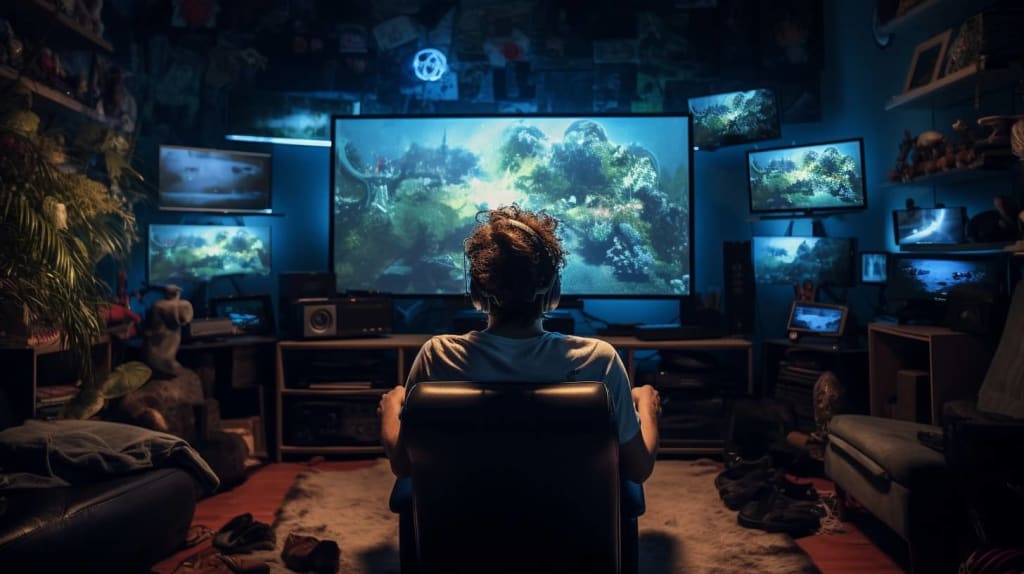
In recent years, the perception of video gaming has shifted dramatically. Once considered a mere pastime or even a potential hazard to mental health, gaming is now being recognized for its numerous benefits to mental wellness. This article delves into the scientifically proven ways in which gaming can enhance mental well-being, backed by credible research and real-world data.
The Science Behind Gaming and Mental Wellness
Cognitive Benefits
One of the most significant ways gaming improves mental wellness is through cognitive enhancement. Studies have shown that various types of games, from action games to strategy games, can significantly boost cognitive functions such as executive function, visuospatial perception, and even mitigate symptoms of dyslexia. For instance, games like Portal 2 and Rayman have been found to improve goal-setting behavior and motivation, leading to better cognitive outcomes.
Emotional Regulation
Gaming also plays a crucial role in emotional regulation. Games like Mario Kart and Flappy Bird have been shown to facilitate coping with strong emotions and regulating emotive experiences. This ability to manage emotions is essential for maintaining mental health, especially in high-stress situations.
Social Connections
The social aspect of gaming cannot be overlooked. Multiplayer games and online gaming communities provide a platform for social interaction, reducing feelings of loneliness and isolation. Research indicates that games like RPGs and multiplayer action games significantly enhance prosocial behaviors and decrease loneliness. This social engagement is particularly beneficial for individuals who may struggle with forming connections in traditional social settings.
Gaming and Mental Health Disorders
Reducing Anxiety and Depression
Recent studies have highlighted the therapeutic potential of gaming in treating mental health disorders. A landmark study published in Nature Human Behaviour found that owning a Nintendo Switch improved mental health by 0.60 standard deviations, while a PlayStation 5 improved it by 0.12 standard deviations. This study, conducted during the COVID-19 pandemic, demonstrated that increased gameplay significantly improved mental well-being and life satisfaction.
Cognitive Escapism
Open-world games, such as Ghost of Tsushima, offer a form of "cognitive escapism" that allows players to temporarily disengage from real-life stressors. This escapism leads to increased relaxation and improved psychological well-being. The immersive nature of these games fulfills basic psychological needs such as autonomy, competence, and relatedness, contributing to overall mental health.
The PERMA Model and Gaming
The PERMA model of well-being, which stands for Positive emotions, Engagement, Relationships, Meaning, and Accomplishments, is a framework that aligns closely with the benefits of gaming. Video games create positive emotions, provide deep engagement, foster relationships, offer meaningful narratives, and allow players to achieve skills and accomplishments. This alignment makes gaming a powerful tool for enhancing mental wellness.
Practical Applications and Future Directions
Therapeutic Games
Researchers are increasingly developing therapeutic games designed to address specific mental health issues. Virtual reality (VR) is being used to create controlled environments for exposure therapy, helping individuals with PTSD and phobias. These advancements highlight the potential for gaming to become a mainstream therapeutic tool.
Balanced Gaming Practices
While the benefits of gaming are clear, it is essential to promote balanced gaming practices. Identifying signs of Internet Gaming Disorder (IGD) and addressing potential negative impacts such as aggression and social anxiety are crucial steps in ensuring that gaming remains a positive influence on mental health.
The evidence is compelling: gaming can significantly improve mental wellness. From cognitive enhancement and emotional regulation to social connections and therapeutic applications, the benefits are vast and scientifically proven. As we continue to explore the intersection of gaming and mental health, it is essential to embrace the positive aspects of this digital pastime while promoting balanced and healthy gaming practices. Whether you're a casual gamer or a dedicated enthusiast, the mental wellness benefits of gaming are undeniable.
By understanding and leveraging these benefits, we can enhance our mental well-being and perhaps even revolutionize mental health treatment. So, the next time you pick up a controller or log into your favorite game, remember that you're not just playing—you're improving your mental health.
About the Creator
Keep reading
More stories from Ankur Kumar and writers in Gamers and other communities.
Fortnite’s Hidden Tactics for Solo Victory
Fortnite has captured the hearts of millions with its dynamic gameplay and ever-evolving challenges. Whether you're a seasoned player or just starting out, achieving a solo victory can feel like hitting the jackpot. But what are the hidden tactics that can tip the scales in your favor? Let’s dive into the strategies that can help you secure that elusive Victory Royale.
By Ankur Kumar10 months ago in Gamers
Hogwarts Legacy Will Make You Live the Wizard Life You Always Dreamed Of
Few fantasy games capture imagination as powerfully as Hogwarts Legacy. Developed by Avalanche Software and published by Warner Bros. Games, the game brings players into a magical world inspired by the universe created by J. K. Rowling. Available on Xbox, it offers an experience that blends exploration, combat, and storytelling into a deeply immersive adventure.
By Lukáš Hrdličkaa day ago in Gamers
Rainbow Six Siege Will Push Your Tactical Skills to the Limit Like Never Before
Few multiplayer shooters balance strategy, skill, and intensity as effectively as Rainbow Six Siege. Developed by Ubisoft Montreal and published by Ubisoft, Rainbow Six Siege stands out on Xbox for its emphasis on teamwork, tactics, and destructible environments. Unlike traditional shooters, Siege challenges players to think carefully, communicate effectively, and react quickly to dynamic situations.
By Lukáš Hrdličkaa day ago in Gamers


Comments
There are no comments for this story
Be the first to respond and start the conversation.