
Gaming and Mental Health: The Positive and Negative Impacts
Balancing the Benefits and Challenges for a Healthier Gaming Experience

Introduction
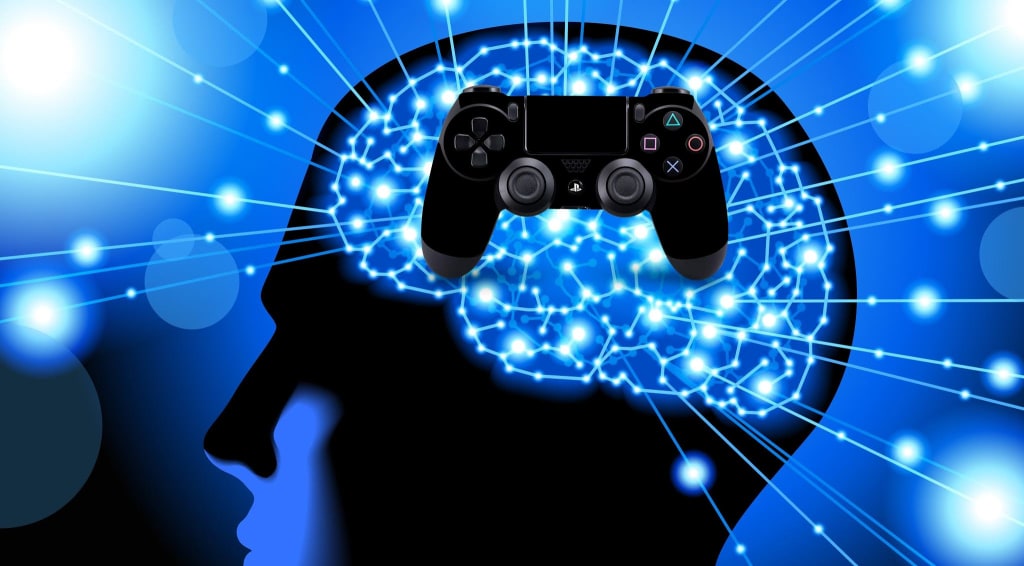
Gaming has become a prevalent form of entertainment and a significant part of many people's lives. While gaming can offer numerous benefits, it can also present challenges to mental health. In this blog, we'll explore both the positive and negative impacts of gaming on mental health, provide tips for maintaining a healthy gaming-life balance, and share stories from gamers about how gaming has affected their lives.
Positive Impacts of Gaming on Mental Health
Stress Relief and Relaxation: Many gamers find that playing video games helps them unwind and relax after a stressful day. Immersing oneself in a game can provide an escape from real-world pressures and a way to de-stress.
Cognitive Benefits: Certain games, especially puzzle and strategy games, can improve cognitive functions such as problem-solving skills, memory, and spatial awareness. These cognitive exercises can be beneficial for mental agility and overall brain health.
Social Connections: Online multiplayer games enable players to connect with others from around the world. These social interactions can lead to meaningful friendships and a sense of community, which are vital for mental well-being.
Sense of Achievement: Achieving goals in games, such as completing a challenging level or earning a high score, can boost self-esteem and provide a sense of accomplishment.
Negative Impacts of Gaming on Mental Health
Addiction: Gaming addiction is a growing concern, with some individuals spending excessive amounts of time playing games to the detriment of their personal and professional lives. This addiction can lead to social isolation, neglect of responsibilities, and negative mental health outcomes.
Sleep Disruption: Excessive gaming, particularly late at night, can interfere with sleep patterns. Lack of sleep can exacerbate stress, anxiety, and depression, creating a vicious cycle that is hard to break.
Physical Health Issues: Prolonged gaming sessions can lead to physical health problems such as eye strain, poor posture, and repetitive strain injuries. These physical issues can contribute to overall mental discomfort and stress.
Aggressive Behavior: Some studies suggest a potential link between exposure to violent video games and increased aggression in certain individuals. While this is still a debated topic, it's important to be mindful of the content of the games being played.
Tips for Maintaining a Healthy Gaming-Life Balance
Set Time Limits: Establish clear boundaries for gaming time to ensure it doesn't interfere with other important aspects of life, such as work, school, or relationships.
Take Regular Breaks: Incorporate regular breaks into gaming sessions to rest your eyes, stretch, and prevent physical strain. The 20-20-20 rule (taking a 20-second break every 20 minutes to look at something 20 feet away) can be helpful.
Prioritize Sleep: Avoid gaming right before bedtime to ensure a good night's sleep. Establish a relaxing pre-sleep routine that doesn't involve screens.
Stay Active: Balance gaming with physical activity. Regular exercise can improve mental health and help offset the sedentary nature of gaming.
Engage in Other Hobbies: Diversify your interests by engaging in non-gaming activities that you enjoy, such as reading, cooking, or spending time outdoors.
Connect with Others: Use gaming as a social tool to connect with friends and family. Participate in multiplayer games or gaming communities to foster social interactions.
Stories from Gamers
Alex's Journey: Alex found solace in gaming after experiencing a difficult period in his life. "Gaming became a way for me to escape and find joy again. The friends I made online provided support and camaraderie that I desperately needed."
Samantha's Balance: Samantha struggled with gaming addiction but has since found a healthier balance. "Setting strict time limits and prioritizing my responsibilities helped me regain control. Now, I enjoy gaming without it taking over my life."
James's Cognitive Boost: James, a long-time strategy game enthusiast, credits gaming with keeping his mind sharp. "I love the challenge of strategy games. They keep my brain active and have definitely improved my problem-solving skills."
Conclusion
Gaming can have both positive and negative impacts on mental health. By understanding these effects and implementing strategies for a healthy gaming-life balance, individuals can enjoy the benefits of gaming while minimizing potential downsides. Listening to the stories of other gamers can provide valuable insights and inspiration for maintaining a healthy relationship with gaming
.Disclaimer:
This blog post contains information generated by artificial intelligence to provide comprehensive and up-to-date insights. While efforts have been made to ensure accuracy, please verify details independently and consider consulting a mental health professional for personalized advice.
About the Creator
Keep reading
More stories from millergamin1 and writers in Gamers and other communities.
Top Gaming Accessories for 2024:Enhance Your Gaming Experience
Introduction As technology continues to evolve, the gaming industry is constantly pushing the boundaries of what's possible. In 2024, gamers have access to an array of advanced accessories designed to elevate their gaming experience to new heights. From cutting-edge controllers to immersive VR headsets, these accessories are essential for any serious gamer. This blog will explore the top gaming accessories of 2024, providing detailed reviews and recommendations to help you make informed decisions.
By millergamin12 years ago in Gamers
Animal Crossing: New Horizons 3.0 Update Review:
After 1,410 hours across five years and loving this game enough to gift it to multiple friends, I never expected to be writing this review. When Nintendo declared version 2.0 the "final major update" back in November 2021, we all accepted that New Horizons' story was complete. Four years later, here we are with version 3.0, released January 14, 2026, and I have complicated feelings about this surprise resurrection.
By Parsley Rose 2 days ago in Gamers
Dota 2 Gameplay Review: Mastery, Strategy, and Competitive Depth
Dota 2 gameplay is defined by strategic decision-making, team coordination, and long term skill development rather than fast reflexes alone. Every match challenges players to manage resources, read the map, adapt to hero interactions, and communicate effectively under pressure. Over time, these repeated choices shape distinct playstyles and habits that go far beyond visible stats like kills or rankings. This is why many players enjoy reflecting on their in-game behavior through a Dota 2 player purity challenge based on in game behavior and mindset, which offers a clearer picture of how deeply Dota 2 influences the way the game is actually played.
By Enzo Marcelli3 days ago in Gamers



Comments
There are no comments for this story
Be the first to respond and start the conversation.