

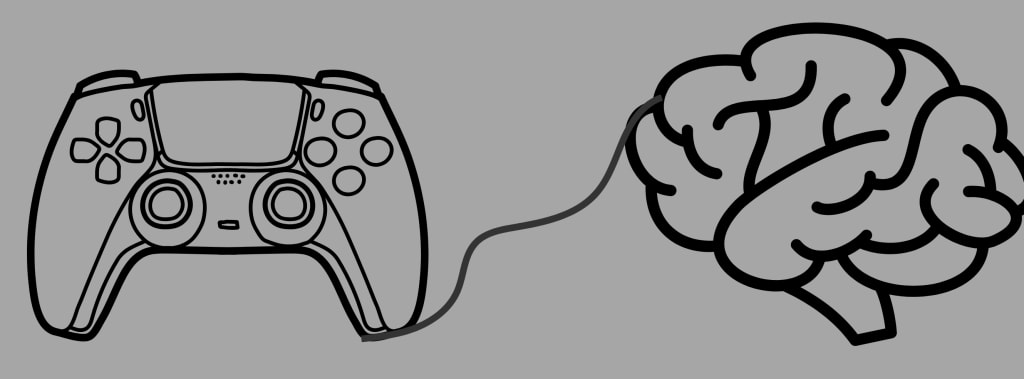
Nowadays, video games have become a part of our lives, whether it's mobile games, PC games, or console games. People of all ages play games to relax, to have fun, or to experience the world of gaming. So, we can say gaming has become a widespread topic in today’s world, but some questions also arise about its impact on mental health. Are video games harmful or helpful? The answer lies in between the middle, and the effects on mental well-being depend on why and how much people play.
Let’s first talk about the positive sides
For many people, it has a positive impact. After a stressful day, if someone plays video games, this can be a way to unwind and relax. Research shows that gaming can provide stress relief and improve mood. Games that have strategy offer creativity and problem-solving objectives or missions that act as a key to discovering new ideas because these games engage the brain offer a sense of accomplishment, and provide a break from the daily pressures. There are numerous video games available online or offline, but studies suggest that there are certain video games that can improve cognitive functions such as memory attention, problem-solving skills, and also increase response time, and many more.

Moreover, gaming can also be a source of creating new social connections. Multiplayer games and online game platforms allow players to interact with their friends and help to make new ones around the world. For those who are introverts and might struggle with social anxiety or live in isolation, this virtual interaction can offer a safe and comfortable way to interact with others.
The Risks of Excessive Gaming
Ok, so we have talked a lot about the positive sides of gaming, but let’s see the negative side. There are also risks, especially when it comes to excess gaming. The most discussed issue is gaming addiction, which leads to harmful effects on mental health. When gaming becomes addictive and when someone becomes overly focused on playing, then it can hamper their daily lives like work, people interactions, or even social relationships, which leads to stress, anxiety, and depression, and due to this important life areas are neglected in favour of gaming.
Another great risk is that it affects the sleep cycle. Many people stay up late into the night playing games, which disrupts the sleep cycle. We all know that improper amounts of sleep can lead to irritability, low concentration, and much more, which leads to negative impacts on mental health and more serious health issues. Some violent games are also responsible for raising aggression, which was experienced by some gamers. Excess gaming can increase anger issues or even frustrations, which also have a negative impact on the lives of people.
Then what’s the solution?
The key factor that can lead to gaming and mental health balance is "limit”. It may sound weird, but it is what it is. Limiting is the only way to maintain balance in our lives. Setting limits can help to prevent the negative consequences of overuse. We should keep in mind that violent games should not be played; rather games that encourage creativity and have problem-solving objectives are better for mental health. If gaming starts to interfere with sleep, relationships, or responsibilities, it may be time to reassess the role it plays in one’s life. Regular breaks, maintaining a healthy sleep routine, and balancing everything can help support mental health.
Conclusion
In the end, gaming is neither all good nor all bad when it comes to mental health. For many, it’s a fun, engaging activity that can relieve stress and improve cognitive skills. Others, especially when done in excess, can lead to negative outcomes, so restricting ourselves and keeping limits can contribute positively to mental well-being.
About the Creator
BHASKAR
Writing on interesting and relevant topics that will engage readers of all stripes.
Winning the Deal: Sports Tactics That Strengthen Lending Strategy
Every great sports team begins with preparation. Baseball managers study pitchers, hitters, and field positions before the game starts. Football coaches review game film and plan plays based on the opponent’s defense. In the same way, lenders should prepare carefully before any negotiation begins. Preparation builds clarity and confidence. It also helps lenders see risks early and avoid costly mistakes. For this reason, many successful professionals rely on a clear lending negotiation strategy before entering a financial discussion.
By James Cretella6 days ago in Gamers
Rsvsr Holy-Themed Skills in Path of Exile 3.28 Mirage: New Builds and Reworks
The release of Path of Exile 3.28 “Mirage” brings an exciting wave of content for players who love Holy-themed builds. With brand-new skills, reworked classics, and updated mechanics, this league offers fresh ways to dominate both packs of monsters and single-target encounters.
By Billo Nali3 days ago in Gamers



Comments
There are no comments for this story
Be the first to respond and start the conversation.