
From Dice to Digital: How Tabletop RPGs Shaped Video Games
Exploring the deep connections between classic tabletop adventures and modern video game RPGs.

Tabletop role-playing games (TTRPGs) and video games share a common DNA. The mechanics, storytelling, and immersive experiences that define modern RPG video games owe much to their dice-rolling, character-sheet-filled ancestors. From Dungeons & Dragons (D&D) to Baldur's Gate, and from The Elder Scrolls to Cyberpunk 2077, the influence of tabletop RPGs is undeniable. But how exactly did this transition happen? Let’s take a deep dive into how TTRPGs have shaped the digital gaming world we know today.
1.The Birth of Mechanics: Stats, Classes, and Progression
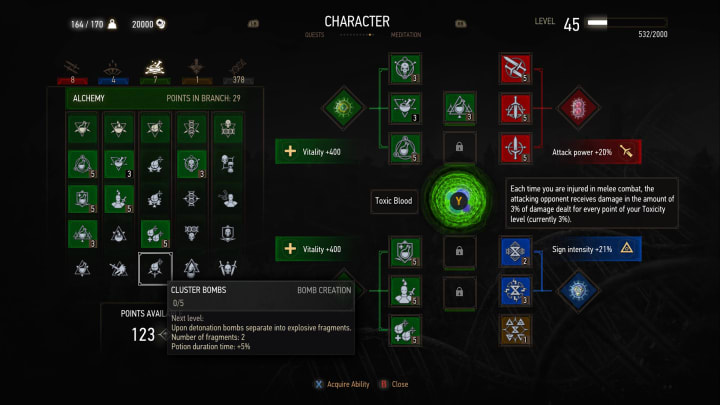
One of the most apparent ways tabletop RPGs influenced video games is through core mechanics. The concept of leveling up, distributing stat points, and defining character classes originated in games like Dungeons & Dragons. In fact, many early computer RPGs, such as Wizardry (1981) and Ultima (1981), directly borrowed these mechanics.
Modern games continue this tradition. Think of how The Witcher 3 lets players allocate skill points, or how Dark Souls encourages players to specialize in different combat styles. Even MMORPGs like World of Warcraft owe their talent trees and class systems to classic tabletop RPGs.
2.Narrative and Player Choice: A Legacy of Storytelling
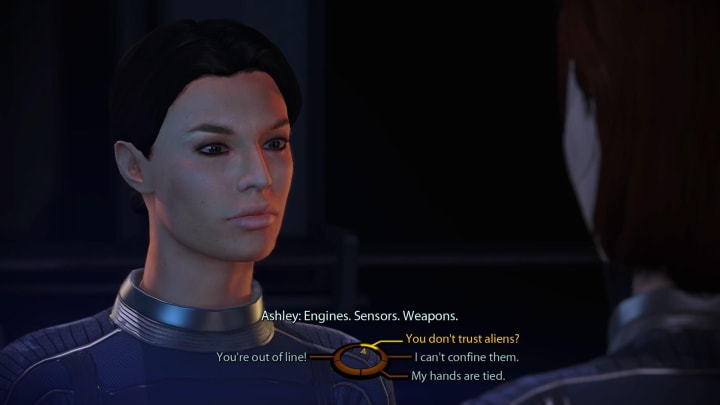
TTRPGs revolutionized storytelling by allowing players to influence the narrative through their choices. Dungeon Masters (DMs) craft worlds where players’ decisions impact the story, and this non-linear structure became a fundamental aspect of RPG video games.
Games like Mass Effect and The Elder Scrolls V: Skyrim embraced this idea, allowing players to shape their own experiences through dialogue choices, branching storylines, and moral dilemmas. Disco Elysium, one of the most text-heavy RPGs of recent years, takes this concept even further by essentially being a digital TTRPG where dice rolls determine character actions.
3.Open Worlds and Emergent Gameplay
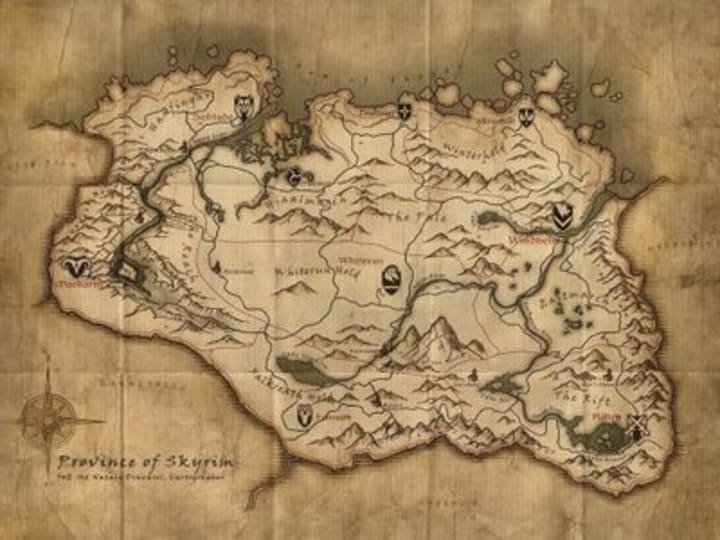
The open-ended nature of tabletop RPGs inspired the vast open worlds we see in modern gaming. In a tabletop session, players can go off-script, exploring new locations and making unexpected choices. Game developers took note and created worlds that react dynamically to player decisions.
Bethesda’s Elder Scrolls and Fallout series epitomize this approach. In Skyrim, players can follow the main quest, become the leader of the Thieves Guild, or simply spend hours crafting potions. This kind of freedom mirrors the experience of a tabletop RPG, where players forge their own path rather than being railroaded into a single storyline.
4.Multiplayer and Cooperative Storytelling
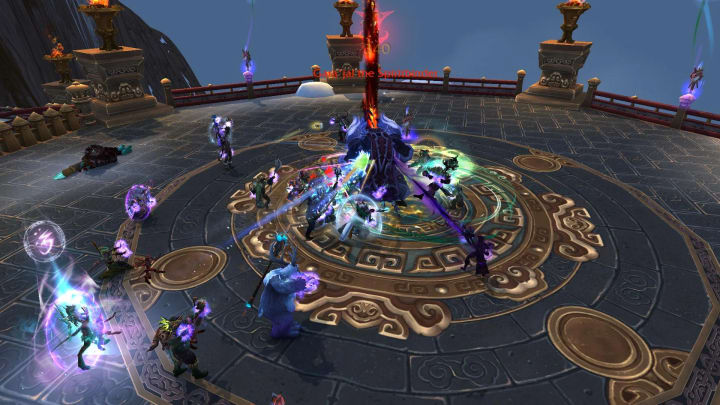
TTRPGs are inherently social experiences, with players collaborating to build a shared narrative. This cooperative storytelling element has influenced a variety of multiplayer video games.
MMORPGs like Final Fantasy XIV and World of Warcraft allow players to form parties, take on different roles, and experience stories together. Meanwhile, games like Divinity: Original Sin 2 take this concept to the next level by incorporating turn-based combat, party interactions, and character-driven storytelling that feels straight out of a tabletop campaign.
5.The Future: Where RPGs and Video Games Are Headed
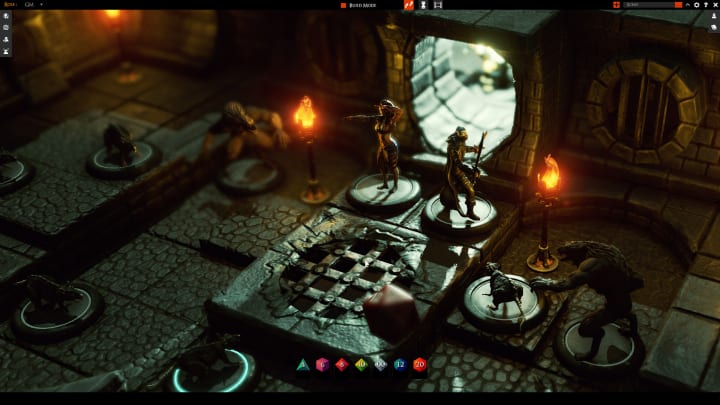
As technology advances, the line between tabletop and digital RPGs continues to blur. AI-driven NPCs, procedural storytelling, and player-generated content are bringing RPG video games closer to the improvisational nature of tabletop games.
Additionally, virtual tabletops like Roll20 and Foundry VTT are digitizing the traditional RPG experience, making it easier than ever for players across the world to gather and play. Meanwhile, games like Baldur’s Gate 3 aim to deliver an authentic D&D experience in digital form, proving that the influence of tabletop RPGs is far from fading.
A Loop of Inspiration

Tabletop RPGs laid the foundation for digital RPGs, and now digital RPGs are influencing the way we play tabletop games. Whether rolling physical dice or clicking through dialogue trees, players continue to experience the same core elements—immersive storytelling, deep mechanics, and the thrill of making meaningful choices.
As both mediums evolve, one thing is certain: the legacy of tabletop RPGs will always be felt in the digital world. So whether you're leading a D&D campaign or embarking on a grand adventure in The Witcher, remember—you’re part of a tradition that spans both dice and digital realms.
About the Creator
Bounty Hunter
RPG storyteller, worldbuilder and game designer exploring immersive narratives.
Keep reading
More stories from Bounty Hunter and writers in Gamers and other communities.
Mastering the Art of Storytelling: The Ultimate Guide for Dungeon Masters
Dungeon Masters (DMs) are the architects of adventure, the keepers of lore, and the ultimate storytellers in tabletop RPGs. But crafting a compelling narrative that captivates players is no easy feat. Whether you're a seasoned DM or just starting out, this guide will help you elevate your storytelling skills and create unforgettable campaigns.
By Bounty Hunter about a year ago in Gamers
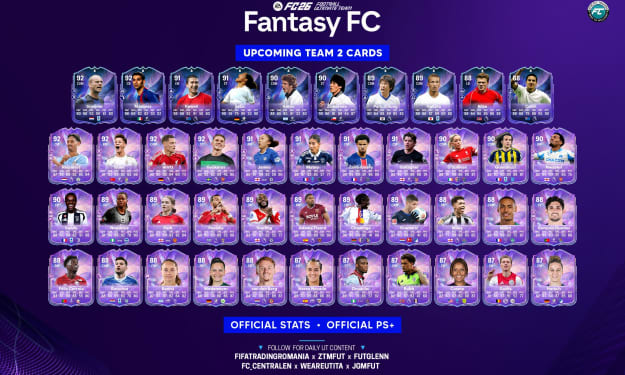
FC26 Daily Update: Fantasy Team 2 Is Live! Forlán & Sterling SBCs and Premier League Tracker Analysis
Hello everyone, welcome to today's FC26 Daily Briefing. We have an action-packed Friday as we move into the second week of the FC Fantasy promotion. Today’s highlights include the reveal of Fantasy Team 2, new SBCs for Diego Forlan and Raheem Sterling, and the high-stakes Champions League knockout draw.
By hasan zidan6 days ago in Gamers

Comments
There are no comments for this story
Be the first to respond and start the conversation.