
Final Fantasy: How a Game of Survival Became a Global Phenomenon
Option 2 (Emotional & Inspirational): “A journey of heroes, music, and imagination: How Final Fantasy has captured hearts across generations.”

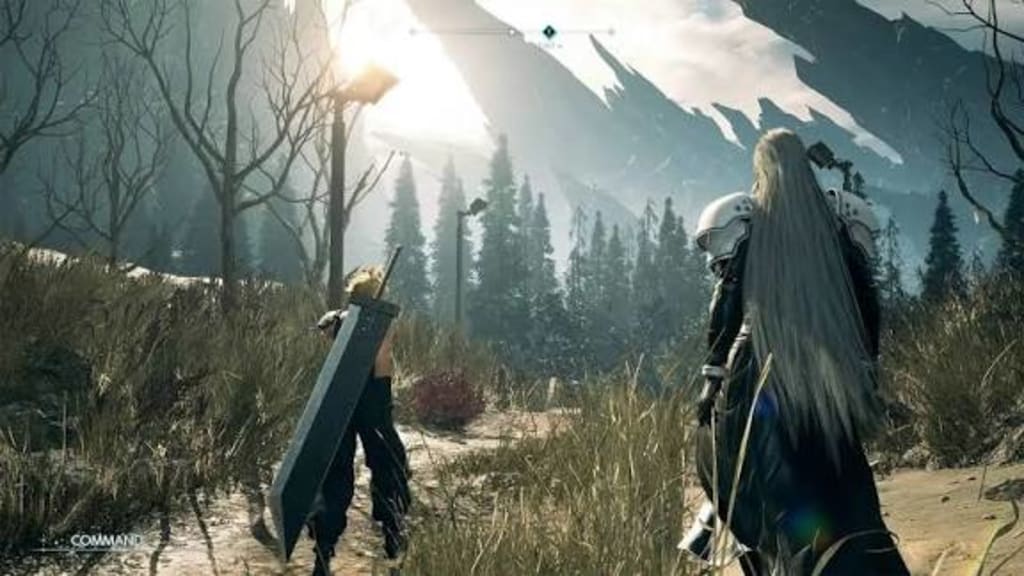
The Origins of a Legendary Saga
When Final Fantasy was first released in 1987 by a small Japanese studio called Square, few could have imagined that this humble project would go on to redefine storytelling in video games. Legend has it that the game’s creator, Hironobu Sakaguchi, was ready to leave the gaming industry altogether. The title Final Fantasy was supposed to mark his final attempt at making a successful game before giving up.
But fate had other plans. The first Final Fantasy became a massive hit in Japan, giving new life not only to Sakaguchi’s career but also to the struggling Square company. It transformed from a desperate gamble into a cultural cornerstone — birthing one of the most influential video game franchises of all time.
---
Reinventing the RPG Experience
The Final Fantasy series did not merely follow the rules of the role-playing game (RPG) genre — it rewrote them. From its early pixelated adventures to cinematic masterpieces like Final Fantasy VII and Final Fantasy XVI, the franchise has continually evolved while keeping its heart: a deep story about hope, friendship, and sacrifice.
Each installment presents a unique world, independent of the others, with new heroes, villains, and mythologies. Whether it’s the steampunk streets of Midgar, the medieval magic of Ivalice, or the futuristic kingdom of Eos, Final Fantasy manages to make each setting feel alive.
But what truly sets it apart is its emotional storytelling. While other games focused on combat or score, Final Fantasy dared to explore human themes — love, loss, and the moral struggles of power. This emotional core has made it more than a game; it’s a journey of the human spirit.
---
The Turning Point: Final Fantasy VII
For many fans, Final Fantasy VII (1997) was the moment gaming changed forever. With its 3D graphics, cinematic cutscenes, and unforgettable characters like Cloud Strife and Sephiroth, it became a worldwide phenomenon.
It also introduced millions of Western players to Japanese role-playing games, helping bridge cultural gaps in gaming. Final Fantasy VII’s story — a mix of corporate greed, environmentalism, and identity — still resonates today. Its 2020 remake revived the magic for a new generation, proving that even decades later, the story’s emotional weight has not faded.
---
Music, Magic, and Meaning
It’s impossible to talk about Final Fantasy without mentioning its iconic music. Nobuo Uematsu, the legendary composer behind many of the series’ most memorable soundtracks, gave the games their soul.
From the haunting piano notes of “Aerith’s Theme” to the adrenaline-pumping “One-Winged Angel,” Final Fantasy’s music elevates every battle and heartbreak into something unforgettable. Each melody tells a story of its own — one that often lingers long after the console is turned off.
Even the recurring motifs — the Chocobos, Moogles, and the crystal-based mythology — create a sense of continuity across generations of fans. These symbols remind players that no matter how the world changes, Final Fantasy remains a realm of imagination and hope.
---
From Pixels to Reality
Over the years, Final Fantasy has grown far beyond video games. It has inspired movies, anime, novels, and even concerts. Titles like Final Fantasy: The Spirits Within and Advent Children brought its cinematic vision to the big screen, while Final Fantasy XIV created an online world where millions of players live out their own adventures together.
Its ability to adapt across mediums shows its true strength: it’s not just about gameplay but about shared storytelling. In an era where entertainment is often fleeting, Final Fantasy has built a lasting community that spans cultures and generations.
---
The Legacy Lives On
Today, Final Fantasy XVI carries the torch of innovation — blending modern action with classic storytelling. It explores political intrigue, personal destiny, and the eternal struggle between light and darkness, keeping the franchise relevant in a new era of gaming.
What makes Final Fantasy timeless is its ability to evolve while staying true to its core message: that even in a world of chaos, courage and compassion can change everything. Every game may be different, but each one reminds us of the same truth — the power of dreams, friendship, and resilience.
---
Conclusion: More Than Just a Game
After nearly four decades, Final Fantasy remains more than a series — it’s a cultural phenomenon. It’s where art, storytelling, and technology meet to create something deeply human.
Whether you’re a long-time fan or a newcomer just discovering its magic, Final Fantasy continues to prove that even in a world built on fantasy, the most powerful stories are the ones that remind us of reality — our hopes, our struggles, and our endless capacity to dream.
---
About the Creator
Fiaz Ahmed
I am Fiaz Ahmed. I am a passionate writer. I love covering trending topics and breaking news. With a sharp eye for what’s happening around the world, and crafts timely and engaging stories that keep readers informed and updated.
Keep reading
More stories from Fiaz Ahmed and writers in Gamers and other communities.
Battlefield 6 Release Time UK: Everything You Need to Know
Introduction Gamers across the United Kingdom are counting down the hours for one of the most anticipated titles in recent years — Battlefield 6. The Battlefield franchise, known for its explosive action, immersive graphics, and large-scale multiplayer battles, has long been a favorite among first-person shooter fans. Now, as excitement builds, everyone is asking the same question: When will Battlefield 6 be released in the UK?
By Fiaz Ahmed 3 months ago in Gamers
Mastering Polytrack Physics: How to Build the Perfect Loop Every Time
Building a track in Polytrack is an exercise in both creative freedom and grueling physics management. While the low-poly aesthetic might suggest a simple arcade experience, the underlying engine is surprisingly sensitive to velocity and geometric precision.
By Richard Baileyabout 2 hours ago in Gamers
How Fan Translations Keep Games Alive After Official Support Ends
A video game translation company usually enters a project at the cleanest moment, when budget is great and source files are organized. Developers answer questions. Everyone assumes the game has a future.
By CCJK Technologies7 days ago in Gamers




Comments
There are no comments for this story
Be the first to respond and start the conversation.