
Expanding the NBA fan base with foreign players and globalizing the league
Since its founding in 1946, the NBA has gradually grown into a global sports league. Initially comprised primarily of domestic players from the United States, the league began to internationalize in earnest in the 1990s.
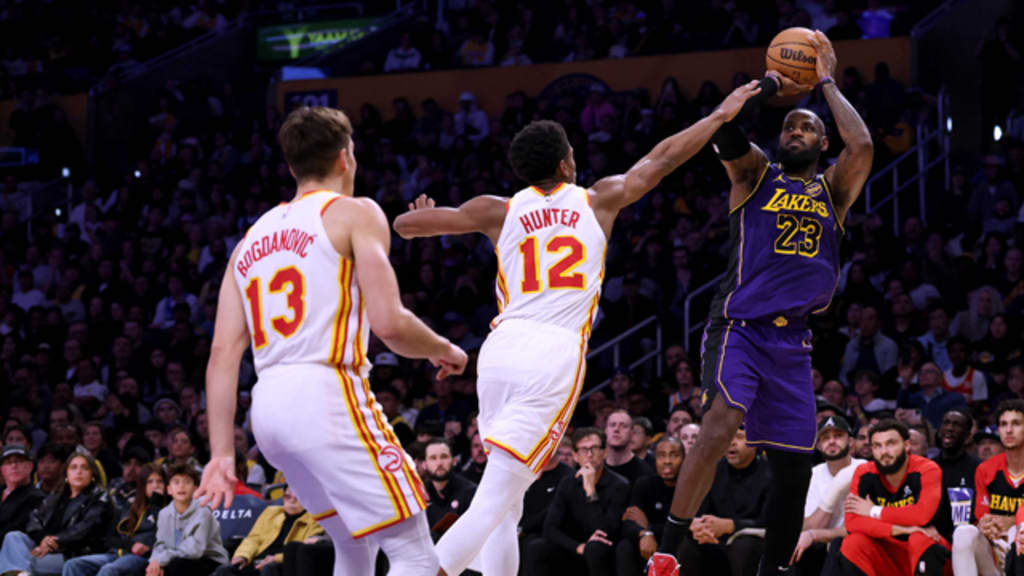
Introduction
Since its establishment in 1946, the NBA has gradually grown into a global sports league. Initially comprised primarily of domestic players from the United States, the league began to take a full-fledged path to internationalization in the 1990s.
The entry of foreign players into the NBA fundamentally changed the paradigm of the league. By increasing the international popularity of basketball and introducing various cultures and playing styles into the league, the NBA’s competitiveness and appeal have greatly expanded. In particular, the development of the international scouting system has improved the ability to discover and recruit talent from around the world.
This globalization process has transformed the NBA into a truly global sports entertainment beyond the simple influx of players. With players from various countries and cultures competing and cooperating together, the NBA has established itself as a platform for cultural communication through basketball.
The influx of foreign players has breathed new life into the NBA and greatly expanded its international fan base. Basketball has now become a global cultural phenomenon shared by the entire world, beyond being simply an American sport.
The Role of Foreign Players
Foreign players have played a key role in the NBA’s global expansion. Their influence went beyond just on-court performances and brought about profound changes across basketball culture.
First, foreign players created a whole new fan base for the NBA. For example, Yao Ming’s arrival in the NBA led to an explosion of interest in basketball in China, while Direk Nowitzki greatly increased interest in the NBA in Europe, especially in Germany. These players served as a direct link to their domestic fans, helping to grow the NBA into a global brand.
Second, foreign players dramatically expanded the popularity of domestic basketball. They introduced diverse playing styles and unique skills to the NBA, increasing the diversity and excitement of the game. For example, players from South America, Europe, and Asia brought their own unique basketball cultures and skills, adding tactical depth to the game.
Finally, foreign players served as important conduits of cultural exchange. They were cultural ambassadors who introduced NBA fans to their home countries’ cultures and values beyond just basketball players. Players with different languages, traditions, and backgrounds played together, creating a platform for mutual understanding and respect.
In this way, foreign players have played a crucial role in transforming the NBA from a simple sports league to a global cultural phenomenon. Their contributions have opened up new avenues of cultural and social communication beyond the boundaries of basketball.
Representative Cases
Among the most influential foreign players in NBA history, Yao Ming and Direk Nowitzki are symbolic figures representing the globalization of the league.
Yao Ming marked a turning point in Chinese basketball history. When he joined the Houston Rockets in 2002, China began to show a passionate interest in the NBA. His emergence was more than just a sports star; it was a cultural phenomenon. Yao Ming focused the attention of China’s one billion people on the NBA, and dramatically increased the value of NBA broadcasting rights and marketing.
Direk Nowitzki was also an innovator of European basketball style. With the Dallas Mavericks, he showed incredible shooting and handling skills for a 7-foot-tall player. His style of play became an example of successfully incorporating European basketball techniques into the NBA, and paved the way for many European players.
The influence of these two players went beyond mere individual achievements. They have exploded the fan base for the NBA in their respective continents and have become a key driving force in developing overseas markets. The number of NBA fans in China and Europe has grown exponentially since their performances, and the value of related merchandise and broadcasting rights has also increased significantly.
They have also successfully fulfilled their role as cultural ambassadors. Yao Ming and Nowitzki have gone beyond being mere basketball players to become symbolic figures who connect their cultures with the NBA. Their success has played a crucial role in the NBA’s growth into a truly global sports league.
Contributions to the development of the league
The entry of foreign players into the NBA has brought about fundamental innovations throughout the league, beyond mere changes in personnel composition. Increasing diversity has been a key factor in dramatically improving the NBA’s performance. The influx of players with different basketball cultures and training methods has added new dimensions to game tactics and playing styles.
In particular, players from Europe and Asia have brought about innovative changes to the existing American-centric basketball paradigm. They have diversified the NBA’s game style by demonstrating differentiated approaches in passing ability, shooting skills, and tactical understanding. This diversity has encouraged teams to develop more creative and flexible strategies.
In terms of global marketing, the influence of foreign players is even more evident. The NBA has opened up new markets around the world through them. Yao Ming has exploded the NBA’s fan base in the Chinese market, and Nowitzki in the European market. This has not only increased the number of fans, but has also led to the expansion of various revenue models such as broadcasting rights, merchandising, and sponsorship.
In terms of finance, the contribution of foreign players is also significant. The value of the NBA’s global broadcasting rights has increased rapidly in direct relation to the influx of foreign players. For example, during Yao Ming’s time in the league, the value of the NBA’s broadcasting rights in China increased by several dozen times, and sales of related merchandise also increased significantly.
In addition, foreign players have played a crucial role in the evolution of the NBA into a truly global sports entertainment. They have gone beyond mere players to function as cultural ambassadors and global brand ambassadors. This change has contributed to a dramatic increase in the NBA’s international recognition and value.
Conclusion
The NBA’s globalization was made possible by the groundbreaking contributions of foreign players. They were not just players, but real change agents who led the cultural, economic, and sports innovation of the NBA. Iconic players such as Yao Ming and Direk Nowitzki attracted their own fans to the NBA, dramatically increasing the league’s international recognition, and played a crucial role in integrating diverse cultures and basketball styles.
The influx of foreign players brought about multi-dimensional innovation to the NBA. They fundamentally changed the NBA’s paradigm in various aspects such as improving performance, creating new fans, expanding global marketing, and cultural communication. They served as a catalyst for evolving basketball beyond a simple sport into a global cultural phenomenon.
The future prospects for the NBA’s globalization are even brighter. The continued development of the international scouting system, technological innovation, and expansion of global accessibility through digital media are expected. The NBA will continue to embracing diversity, communicating with basketball fans around the world, and further solidifying its status as a truly global sports league.
In conclusion, foreign players have been the most important change agents in the history of the NBA, and will continue to be a key driving force for the NBA’s global growth. Their story goes beyond mere sports to become a powerful symbol of cultural exchange and mutual understanding.
About the Creator
Mr. choi
I think you can enjoy sports more if you have basic knowledge about sports. I want to create opportunities to learn little by little. I want to provide information such as sports broadcasts and sports news.
Dodgers
The Los Angeles Dodgers have long been one of the most influential franchises in MLB, known for combining elite player development with the financial flexibility to pursue top-tier talent. From consistent postseason appearances to being counted among recent World Series winners, the Dodgers continue to shape league-wide conversations. As the new season approaches, Dodgers news is once again dominated by roster construction, payroll discussions, and persistent MLB trade rumors—especially those surrounding Kyle Tucker. The Dodgers’ Identity in Modern MLB Few teams balance tradition and innovation quite like the LA Dodgers. Their front office has mastered analytics while still valuing star players who can deliver in October. The current Dodgers roster reflects that philosophy, blending established veterans with emerging talent. Over the years, names like Cody Bellinger have defined eras of success, while new possibilities continue to fuel speculation. The Dodgers’ ability to remain competitive is also tied to their willingness to maintain a high Dodgers payroll. While they are not reckless spenders, they are strategic—targeting players who can elevate both performance and brand value. Kyle Tucker and Why He Fits the Dodgers Narrative Among the most discussed names in recent MLB rumors is Kyle Tucker. A consistent offensive presence and reliable defender, Tucker has emerged as one of the most complete players in modern baseball. Naturally, that has led to growing interest in a potential Kyle Tucker Dodgers scenario. So, what position does Kyle Tucker play? Tucker is primarily a right fielder, though his athleticism allows flexibility across the outfield. That versatility makes him especially attractive to teams like the Dodgers, who value adaptable Dodgers outfielders capable of handling high-pressure situations. The phrase “Tucker baseball” has become shorthand for a balanced skill set: power, patience, and postseason reliability. It’s no surprise that Kyle Tucker news often trends alongside big-market teams. Contracts, Agents, and the Cost of Stardom Any serious discussion of Tucker to Dodgers inevitably leads to contract considerations. The idea of a Kyle Tucker contract Dodgers deal raises questions about years, value, and long-term impact. While no official Kyle Tucker deal has been announced, speculation continues around what such a move would require. The Kyle Tucker agent would likely prioritize both financial security and a winning environment—two things the Dodgers can credibly offer. Still, committing to a potential Kyle Tucker Dodgers contract would require careful planning, especially with other stars already on the books. Misspellings like kyle.tucker, kyle tuxker, or even kyke tucker frequently appear in online searches, underscoring just how much attention surrounds him across the baseball world. How Tucker Could Shape the Dodgers Lineup If a Dodgers Tucker scenario ever materializes, it would have a major impact on the Dodgers lineup. A projected middle-of-the-order bat like Tucker could slot seamlessly into a Dodgers projected lineup, offering protection for existing stars and adding depth in late-game situations. Comparisons have been drawn between Tucker and former Dodgers standouts like Bellinger, particularly in terms of two-way impact. While Cody Bellinger brought elite defense and timely power, Tucker offers a more consistent offensive profile year over year. Competition From the Mets and Other MLB Teams Of course, the Dodgers are not alone in pursuing elite talent. The NY Mets, backed by owner Steve Cohen, have made it clear they are willing to spend aggressively. Mets news often mirrors Dodgers news, especially when it comes to top-tier MLB free agents and trade targets. Names like Edwin Diaz and Bo Bichette frequently appear in league-wide discussions, highlighting how interconnected roster decisions have become. Any move involving Tucker would likely ripple across the league, influencing strategies for teams like the Mets, who remain active in both free agency and trades. MLB Trade Rumors and the Bigger Picture Sites such as MLBTradeRumors regularly analyze scenarios involving Kyle Tucker to Dodgers, though nothing has been confirmed. These rumors reflect a broader truth: elite players drive conversation, even when deals never materialize. The Dodgers understand that not every rumor becomes reality. Still, being linked to players like Tucker reinforces the team’s image as a perennial contender. Whether through trades or internal development, the goal remains the same—build a roster capable of winning another championship. Looking Ahead: What This Means for the Dodgers As the season unfolds, the Dodgers will continue to evaluate opportunities that align with their long-term vision. The idea of Dodgers Kyle Tucker is compelling, but it’s only one chapter in a much larger story about sustained excellence. With a deep farm system, financial flexibility, and a proven track record, the Los Angeles Dodgers remain at the center of MLB news. Whether or not Tucker ever wears Dodger blue, the conversations surrounding him highlight how the franchise continues to influence the direction of the league. In the end, the Dodgers’ success has never hinged on a single move. It’s about smart decisions, calculated risks, and an unwavering commitment to winning—qualities that keep them relevant, respected, and always worth watching.
By Saboor Brohi 3 days ago in Gamers
Marvel Rivals Patch Notes: Season 6 "Night at the Museum" - Full Breakdown, Deadpool Abilities, and Hero Buffs
The wait is almost over! NetEase Games has finally pulled back the curtain on the next massive update for its hit superhero shooter. If you’ve been searching for the latest Marvel Rivals patch notes, you’re in the right place. Season 6, titled "Night at the Museum," is officially set to launch on January 16, 2026, and it’s bringing the Merc with a Mouth along for the ride.
By Info Post Gate6 days ago in Gamers
Wild Card Weekend Recap: What Happens Now?
I think I figured out why I love Wild Card Weekend so much. It's because it's the first playoff anything of the calendar year. The NFL season starts in the fall, and once upon a time, the champion was crowned either on or slightly before New Year's. The evolution of the NFL schedule has resulted in the playoffs starting just into the New Year, and currently, the final week of the season falls on the first weekend of the New Year, with Wild Card Weekend coming a week after that. So yes, chronologically, the NFL's Wild Card Weekend serves as the first playoff anything of the calendar year.
By Clyde E. Dawkins6 days ago in Unbalanced



Comments
There are no comments for this story
Be the first to respond and start the conversation.