
EVOLUTION OF OLYMPIC SPORTS
Ancient Beginnings:The Origins of Olympic Events.

Evolution of Olympic Sports
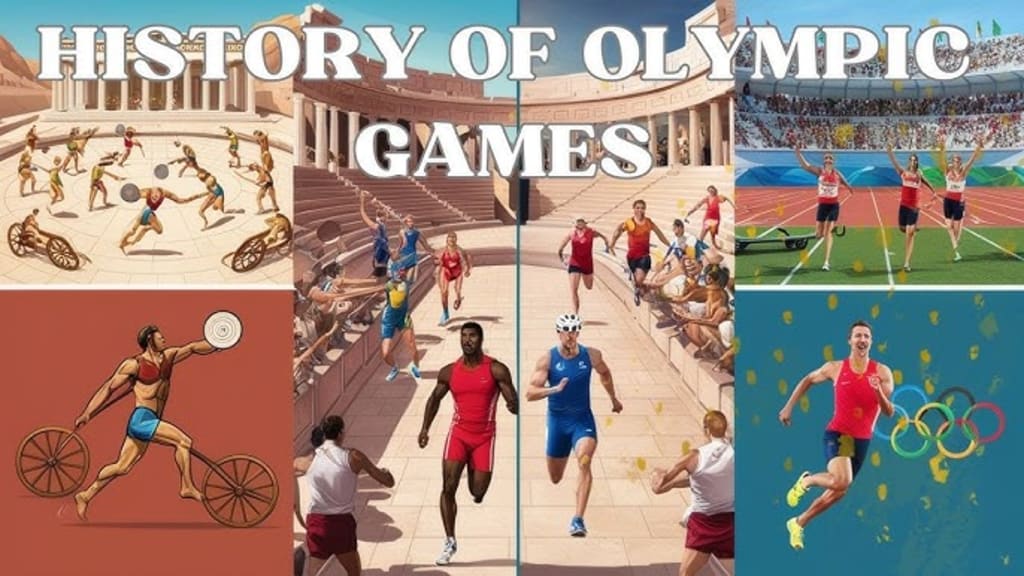
The Olympic Games have evolved dramatically since their ancient beginnings in Olympia, Greece, in 776 BCE. This evolution reflects shifts in global culture, technological advancements, and the growing inclusivity of the Olympic movement. From limited events in ancient Greece to a diverse array of sports today, the transformation of Olympic sports encapsulates the journey of human achievement and cooperation.
Ancient Olympics: A Religious and Athletic Festival
The ancient Olympics were initially a religious festival honoring Zeus. They featured a small number of events, such as running races, wrestling, and chariot racing. The simplicity of these games reflected the limited scope of sports in ancient times. Events like the pentathlon tested a broad spectrum of physical skills, while others, like pankration, emphasized endurance and combat abilities.
The Decline and Revival of the Games
The ancient Olympics ended in 393 CE, largely due to the rise of Christianity and the decline of pagan traditions. It wasn’t until the late 19th century that Pierre de Coubertin revived the Olympic Games. The inaugural modern Olympics in Athens in 1896 featured just 43 events across nine sports, including athletics, swimming, and gymnastics.
Inclusion of New Sports
As the Olympics gained popularity, the roster of sports expanded. The early 20th century saw the addition of sports such as football, rowing, and boxing. The introduction of winter sports in 1924, with the first Winter Olympics in Chamonix, France, diversified the Games further. Events like figure skating and ice hockey became staples.
The Professionalization of Sports
The mid-20th century marked a shift toward professionalization. Initially, the Olympics were strictly for amateur athletes, but this changed in the 1980s and 1990s as professional athletes were allowed to compete. Sports like basketball saw a transformation with the inclusion of NBA players, making the competition more globally competitive.
Technological Advancements
Advancements in technology have also shaped Olympic sports. Innovations in equipment, such as lightweight running shoes and aerodynamic swimsuits, have pushed the boundaries of human performance. The use of video replay and electronic timing has enhanced fairness and precision.
Gender Inclusivity
The inclusion of women in the Olympics has been one of the most significant evolutions. Women first competed in 1900, albeit in a limited capacity. Over the years, the participation of female athletes has grown significantly, with events like women’s boxing introduced in 2012. Today, gender equality is a central goal of the Olympic movement.
Expansion into New Disciplines
Recent Olympics have embraced modern sports that resonate with younger audiences. Skateboarding, surfing, and sport climbing made their debut in the Tokyo 2020 Games, reflecting the evolving interests of a global audience. These additions signify the Olympics' adaptability to changing times.
The Paralympics and Inclusivity
Another significant evolution is the recognition of athletes with disabilities through the Paralympic Games. Since their inception in 1960, the Paralympics have showcased the extraordinary capabilities of differently-abled athletes, fostering greater inclusivity and breaking stereotypes.
Challenges and Controversies
The evolution of Olympic sports hasn’t been without challenges. Doping scandals, the rising costs of hosting, and debates over the relevance of certain sports have sparked criticism. However, the Olympic movement has continuously adapted to address these issues, ensuring the Games remain a symbol of unity and excellence.
The Future of Olympic Sports
Looking ahead, the Olympics will likely continue to evolve. Virtual sports, driven by advancements in technology, are being considered for inclusion. Efforts to reduce environmental impacts and promote sustainability will also shape the future of the Games.
Conclusion
The evolution of Olympic sports mirrors humanity’s progress and adaptability. From the sacred traditions of ancient Greece to the global spectacle of today, the Olympics serve as a testament to our shared aspirations for excellence, unity, and peace. As the world continues to change, the Olympic Games will undoubtedly evolve, embracing new challenges and opportunities while honoring their rich history.
About the Creator
Badhan Sen
Myself Badhan, I am a professional writer.I like to share some stories with my friends.
Keep reading
More stories from Badhan Sen and writers in Gamers and other communities.
THE SYMBOLISM OF THE OLYMPIC RINGS
The Symbolism of the Olympic Rings The Olympic Rings are one of the most recognized symbols in the world, representing the unity of nations and the spirit of the Games. Designed by Pierre de Coubertin in 1913, these rings are more than just a design; they hold a deep meaning tied to the values and history of the Olympics.
By Badhan Senabout a year ago in Gamers
Stardew Valley Moss Guide: Why This 1.6 Resource is More Valuable Than You Think
For years, the appearance of green fuzz on the oak and maple trees of Pelican Town was nothing more than a visual indicator of rain or a sign that you had neglected your farm’s landscaping. When the 1.6 update arrived, everything changed.
By Richard Bailey3 days ago in Gamers
R6 Predictions for 2026: The Next Chapter of Rainbow Six Siege
In 2026, Rainbow Six Siege won’t feel like a brand-new game and that may be its greatest strength. Instead of chasing trends, Siege is likely to double down on what it already does best: tactical depth, operator-driven gameplay, and a competitive ecosystem that rewards patience and planning. Looking back from this point in time, 2026 could be remembered as the year Siege finally perfected its long-term evolution.
By Deborah Larson2 days ago in Gamers


Comments (1)
Great job in covering many aspects of these Games.