
Doom: The Dark Ages Review – Medieval Mayhem Meets Modern Brutality
id Software reinvents the franchise with a bold leap into a gothic past, blending brutal combat, dark fantasy, and signature Slayer fury.

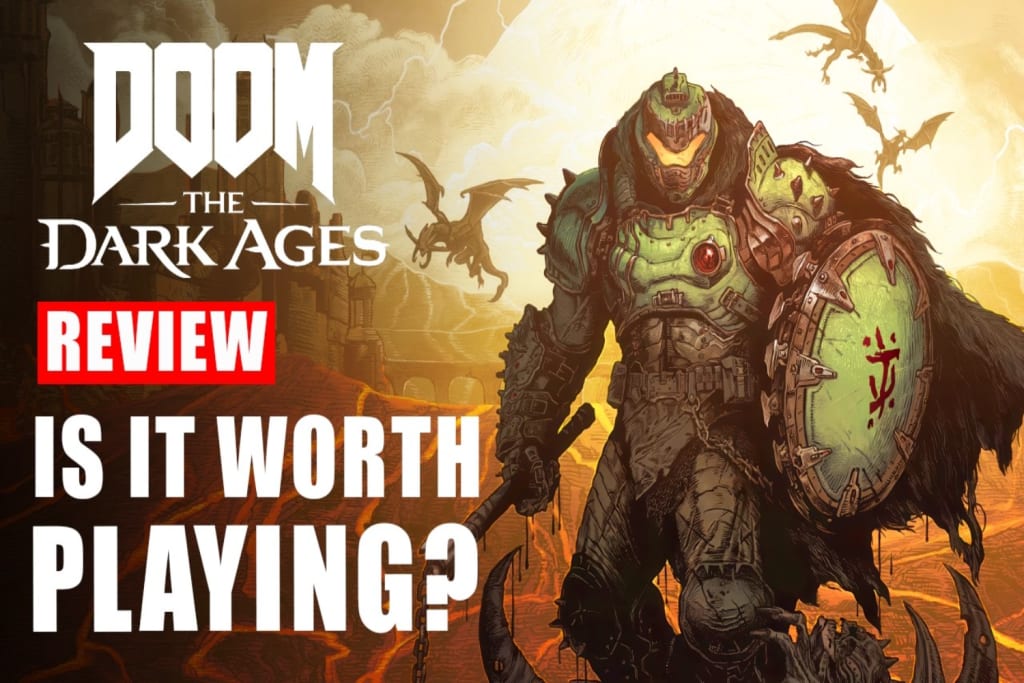
Doom: The Dark Ages Review – Hell in Chainmail
When id Software first announced Doom: The Dark Ages, aficionados of the gore-soaked, demon-smashing franchise found themselves somewhere on the spectrum from perplexed to ecstatic. The question was posed: what, exactly, will happen when the future's leading shotgun-wielder is relocated to a world of steel plate, magic spells, and disembodied bone? The response, it seems, is one of the most vibrant and brutally original additions to the Doom franchise ever created.
Doom: The Dark Ages strips the neon technology from its predecessors and drags players back in time—literally—to a dark, gothic hellhole where demons are clad in armor, and guns are hammered, not printed. Don't mix this up with a faster, sword-and-shield experience, though. The speed, aggression, and unending gore of Doom is still present.
A Bloodstained Medieval Evolution
The moment you step into this cursed location, it's clear that The Dark Ages has entirely transformed in art. No longer are there Doom Eternal's sanitised labs and demon-infested cities; now you have crumbling castles, collapsing cathedrals, and haunted battlefields. And yet, the game retains its own aesthetic: gory, melodramatic, and not-at-all apologetic.
Visually, the game commits wholeheartedly to a darker, grittier visual aesthetic. The worlds are filled with detail—from moss and stone hallways to ash-filled skies. The demons, as well, have been reimagined: horned brutes in rusty plate armor, flying imps on bat-like wings made of corrupted parchment.
The music is more than deserving of praise. Mick Gordon may not be at the helm here, but the soundtrack here still fits the bill—blending heinous riffs and medieval textures. The resulting picture is an age-old soundbed. Never before have bagpipes sounded quite so ready to enter battle.
Combat: Medieval Mayhem at Breakneck Speed
Fighting is still at the heart of Doom, and The Dark Ages doesn't hesitate. The Slayer's weaponry has been redesigend to fit the time but has the same gory ferocity. Instead of the high-tech plasma rifles are enchanted flintlocks, an explosive-stake crossbow, and most noticeably, the Goregrinder—a monstrous gear-powered club that doubles as a shield-saw combination. It's a daft tool, and it's just so.
Movement remains fast and fluid. Running, jumping, and chaining deaths as a party remains the gameplay rhythm. The difference is the texture of combat. Guns do have that pleasing lagtime—each one's heavy in construction—and melee weapons invite brutal close-quarters combat. Finishers remain as gory as ever, combining medieval execution art with Doom's own flair. Crushing an demon's skull with a studded boot never felt so sweet.
One of the most innovative mechanics is the use of holy relics—magical objects that provide temporary benefits like speed boosts or healing. It adds a lot of much-needed depth without overwhelming the player with menus and cooldowns.
Story: Lore, At Last, Done Correctly
Doom has never been known for its narrative, but The Dark Ages tries to increase the depth of Slayer lore. Set centuries before the events of Doom (2016), this game is a prequel that places the Slayer as the great warrior fighting during the first demon invasion.
The story is told through visual lore, carvings, ghostly echoes, and occasional dialogue with surviving members of an ancient order sworn to fight Hell. Surprisingly, it works. It doesn’t interrupt gameplay but adds weight to your crusade. You’re not just slaying for survival—you’re fulfilling a prophecy.
The campaign lasts approximately 12–14 hours based on the difficulty level, and side arenas and lore hunts add to the time. Each chapter ends in a massive set-piece battle that gets progressively more spectacular and vicious.
Verdict: Doom Reinvented Without Compromise
Doom: The Dark Ages could have been a gimmick—a modern shooter done up in medieval garb. Instead, it's a gore-splattered, genre-defying rethink that tips its helmet to medieval horror and the history of the franchise. The setting is fresh once more, combat remains cutthroat, and tone still goes joyously over the top.
There's something perpetually satisfying about hacking through a horde of demons in a graveyard under the light of the moon as a harpsichord shrieks into double-bass thrash. The game celebrates absurdity, but always in the service of action and style.
Is it perfect? Not quite. Some players may be missing the faster action and cache of sci-fi firepower in Doom Eternal. And the absence of multiplayer may bring a few fans down. But as a solo-player game, this is Doom as it should be—cruel, beautiful, and well and truly unholy.
About the Creator
MD NAZIM UDDIN
Writer on tech, culture, and life. Crafting stories that inspire, inform, and connect. Follow for thoughtful and creative content.
Keep reading
More stories from MD NAZIM UDDIN and writers in Gamers and other communities.
Level Up Your Living Room: LG OLED and QNED TVs Now Offer Free Xbox Game Pass Ultimate and a New Gaming Portal
Level Up Your Living Room: LG OLED and QNED TVs Now Include Free Xbox Game Pass Ultimate and a New Gaming Portal Gamers, take heed—your TV has just become significantly more powerful. LG has long finally gotten round to launching a game-changer update to its OLED and QNED TV lines, adding a brand-new Gaming Portal and offering free Xbox Game Pass Ultimate access on selected sets. Through doing so, the firm entrenches itself in next-generation entertainment immersion and can potentially rethink the benchmark for a "smart" TV.
By MD NAZIM UDDIN 10 months ago in Gamers
U4gm MLB The Show 26: A Complete Evolution of Baseball Gaming
MLB The Show 26 takes baseball simulation to an entirely new level. This year’s edition isn’t just a simple update — it represents a full evolution of the franchise, combining realism, strategy, and fun in one polished package. From career journeys to competitive online play, every mode has been refined, making the game more immersive and rewarding than ever before.
By Billo Nali4 days ago in Gamers



Comments
There are no comments for this story
Be the first to respond and start the conversation.