
D&D Dungeon Design: Crafting Memorable and Challenging Encounters
Master the Art of D&D Dungeon Design with Expert Tips for Building Immersive, Balanced, and Challenging Adventures

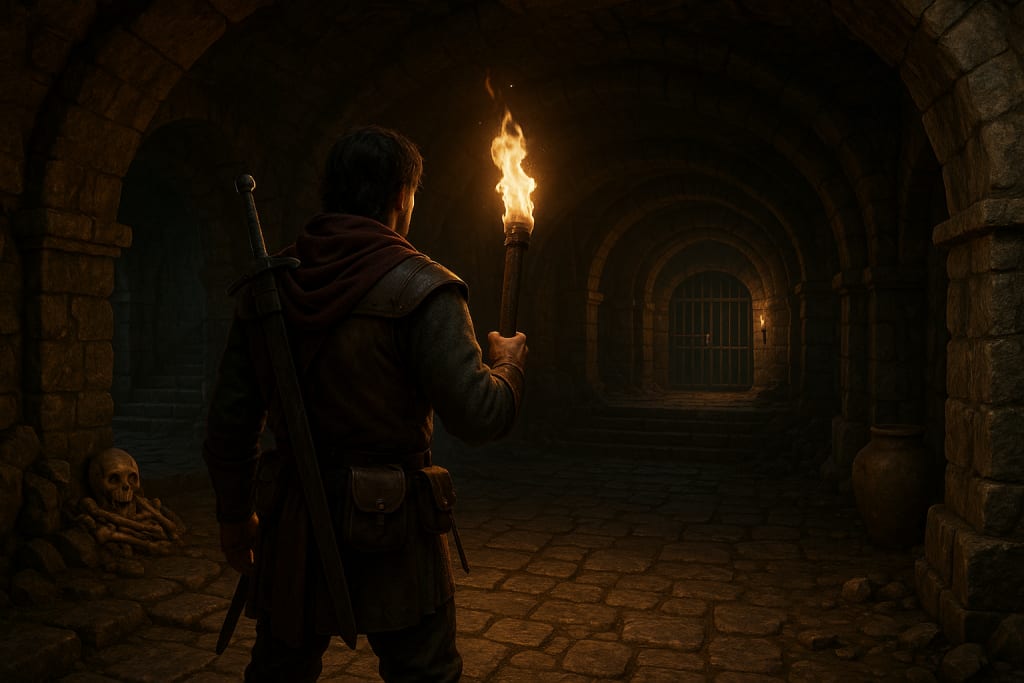
Designing a compelling dungeon in Dungeons & Dragons is both an art and a science. Great dungeons are more than a series of rooms filled with monsters and treasure. They are narrative tools, puzzle boxes, strategic battlefields, and immersive environments that can elevate a campaign from enjoyable to unforgettable.
In this comprehensive guide, we'll explore techniques to help Dungeon Masters (DMs) craft dungeons that are both challenging and fun, ensuring players remain engaged from the first door to the final boss.
1. Define the Dungeon's Purpose
Every great dungeon begins with a purpose. Is it a forgotten crypt protecting ancient relics? A mad wizard's arcane laboratory? A prison for a sealed demon? The dungeon's backstory influences its layout, inhabitants, traps, and tone.
Questions to Ask:
- Why does this dungeon exist?
- Who created it, and for what reason?
- What role does it play in the larger world or campaign?
Answering these questions adds narrative depth and coherence, allowing players to uncover lore as they explore.
2. Use Thematic Consistency
The best dungeons feel like a unified experience. A lava-filled temple to a fire god will have drastically different hazards and enemies than a sunken ruin beneath the sea.
Tips:
- Align monsters, traps, and puzzles with the theme.
- Incorporate environmental storytelling (e.g., scorched corpses near a flame trap).
- Maintain a consistent tone through lighting, architecture, and decor.
This consistency strengthens immersion and reinforces the dungeon’s identity.
3. Create Meaningful Maps
Layout matters. The structure of the dungeon affects exploration, strategy, and tension.
Map Design Principles:
- Non-linear pathways: Allow for multiple routes to encourage player choice.
- Loops and shortcuts: Enable backtracking and strategic maneuvering.
- Verticality: Elevation changes can add tactical depth.
- Landmarks: Unique features help with navigation and create memorable moments.
Use maps to build a sense of space and progression, making exploration as engaging as combat.
4. Balance Combat, Exploration, and Roleplay
Dungeons are not just about fighting. The best designs blend combat encounters with opportunities for exploration and social interaction.
Encounter Types:
- Combat: Vary enemies and tactics. Use terrain and surprise to keep battles fresh.
- Exploration: Hidden doors, secret passages, and environmental clues reward observation.
- Roleplay: Include NPCs, such as prisoners, ghosts, or intelligent monsters, to open dialogue.
This balance ensures different types of players have moments to shine.
5. Introduce Strategic Challenges
Memorable dungeons require more than hit points and damage rolls. Strategic thinking should be rewarded.
Techniques:
- Resource management: Force players to make decisions about spell slots, healing, and inventory.
- Time pressure: Add urgency with collapsing tunnels, rising water, or cursed zones.
- Moral dilemmas: Offer choices with consequences, such as sacrificing an NPC to bypass a trap.
Strategic elements create tension and investment in outcomes.
6. Build Dynamic Encounters
Static encounters can become predictable. Introduce moving parts and evolving threats.
Dynamic Encounter Ideas:
- Enemies that call reinforcements or change tactics mid-fight.
- Environmental hazards that activate during combat.
- Objectives beyond killing (e.g., deactivate a portal, protect a ritual, escape a flood).
Dynamic encounters challenge players to adapt and collaborate.
7. Incorporate Puzzles and Traps Thoughtfully
Puzzles and traps should enhance the experience, not frustrate it.
Best Practices:
- Make puzzles optional or offer clues over time.
- Design traps that require observation or logic to avoid, not just high perception rolls.
- Use traps to build atmosphere and tension.
Ensure that the difficulty scales with the rewards and that solutions are satisfying.
8. Reward Exploration and Ingenuity
Curiosity should be encouraged. Players who investigate their surroundings should uncover secrets, treasure, or shortcuts.
Reward Examples:
- Hidden lore that unveils a villain’s weakness.
- Unique magic items with story relevance.
- Alternate routes that bypass challenges.
These rewards reinforce a sense of agency and make the dungeon feel alive.
9. Control Pacing and Tension
Dungeon pacing affects immersion and excitement.
Pacing Techniques:
- Alternate between high-stakes and low-stakes areas.
- Use ambient descriptions to build suspense.
- Introduce "safe rooms" or rest areas for temporary relief.
Well-paced dungeons allow for emotional highs and lows, making climaxes more impactful.
10. Design a Climactic Finale
The final room should be the payoff for the players' efforts.
Final Encounter Ideas:
- A boss fight with unique mechanics or lair actions.
- A moral decision that alters the campaign.
- A timed escape sequence after destroying the dungeon’s core.
The climax should be memorable, tying together themes, narrative, and character development.
Dungeon design in Dungeons & Dragons is a powerful tool for storytelling and player engagement. By focusing on thematic consistency, strategic depth, dynamic encounters, and narrative integration, DMs can create experiences that linger in players' memories long after the dice stop rolling.
Whether your dungeon is a single-session delve or a sprawling mega-dungeon, these principles will help you design challenges that are both thrilling and meaningful.
A well-crafted dungeon is more than just a location—it’s a living part of your world. Make it count.
About the Creator
Richard Bailey
I am currently working on expanding my writing topics and exploring different areas and topics of writing. I have a personal history with a very severe form of treatment-resistant major depressive disorder.
Keep reading
More stories from Richard Bailey and writers in Gamers and other communities.
How to Build the Ultimate Base in Palworld: Tips and Tricks
Base building in Palworld isn't just a side activity—it's the backbone of your survival, production, and defense. With the right approach, you can turn your humble home into a thriving fortress, fully optimized for crafting, farming, breeding, and battling hostile forces.
By Richard Bailey11 months ago in Gamers
10 Board Games That Aren’t Boring
Ethnos This game is a mix between Lord of the Rings and Risk, but I do not like Risk and I love this game. With certain cards, you put a token on a city and gain points each round from how many tokens you put on that certain city or other cities. If you play with more than two people, you get three rounds. Depending on the types of cards you choose, you can steal others, play twice, place tokens wherever you want, etc. This game is very entertaining and strategic.
By Rich Burtonabout 21 hours ago in Gamers


Comments
There are no comments for this story
Be the first to respond and start the conversation.