
Cross-Reality Ludo: Combining VR and Mobile Players in One Game
How VR and Mobile Players Interact Seamlessly

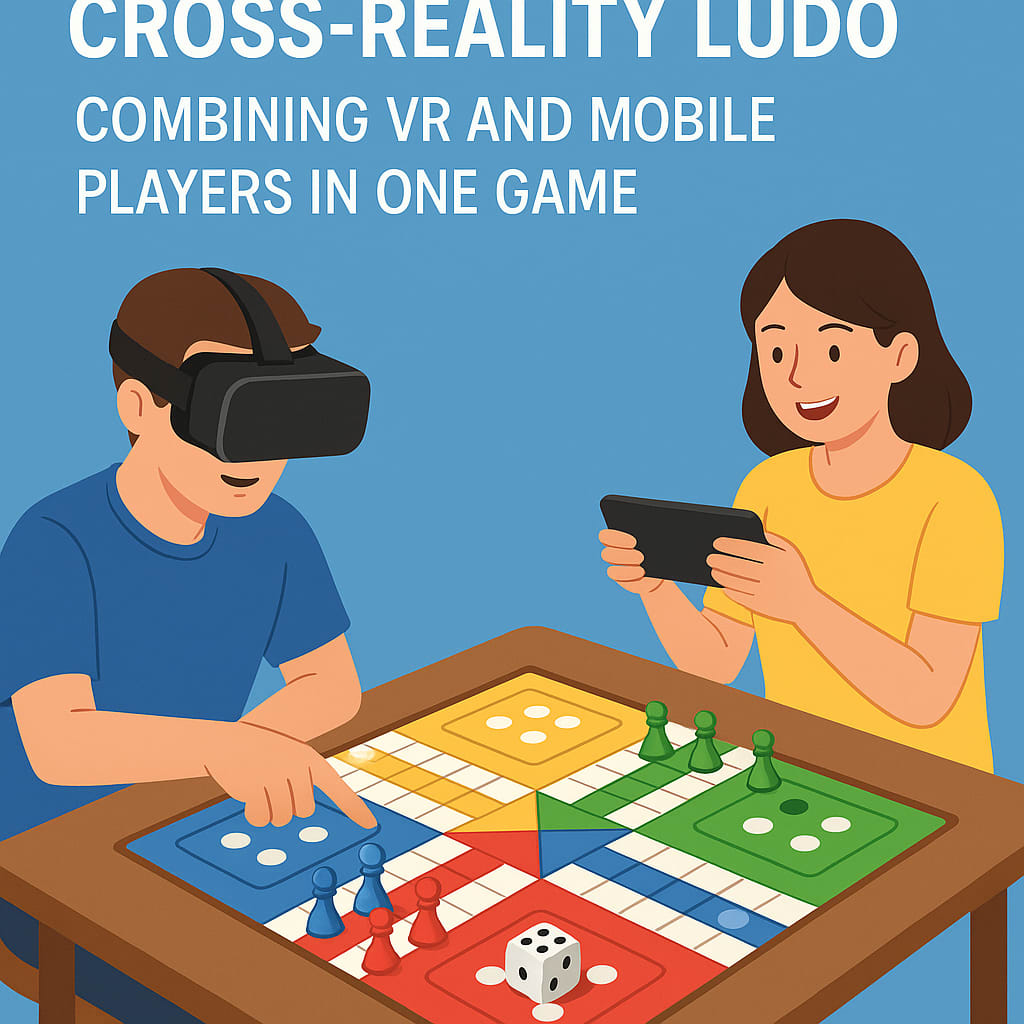
Looking to build a next-level Ludo game? Cross-Reality is the future. This latest gaming concept connects players using different devices like VR headsets and mobile phones into a single, shared Ludo game environment. It offers a unique blend of traditional gameplay and futuristic technology, creating a seamless multiplayer experience across platforms.
In this article, we will explain what Cross-Reality Ludo is, how it works, and why it is a game-changer for developers and gaming businesses.
What is Cross-Reality Ludo?
Cross-Reality (XR) Ludo is a multiplayer Ludo game where VR and mobile users can play together in real-time. It combines Virtual Reality (VR) and traditional mobile platforms in a single game environment. This means one player can be wearing a VR headset and moving their Ludo tokens in a 3D space, while another player taps on a 2D interface on their mobile screen, and both can interact with each other inside the same game.
How Does Cross-Reality Ludo Work?
Cross-Reality Ludo uses real-time synchronization and a shared server backend to ensure all players, no matter what device they are using, see the same game state. Here is the working process showing how it works:
VR Interface: The VR player enters a 3D Ludo board environment. They can look around, roll the dice with motion controllers, and move tokens with hand gestures.
Mobile Interface: The mobile player sees the same board in a flat 2D format. They tap to roll the dice and move tokens like in any traditional Ludo app.
Real-time Sync: The game engine updates each player’s move across all devices instantly using advanced networking protocols like WebSocket or Photon Unity.
Benefits of Building a Cross-Reality Ludo Game
If you are a game business owner or a fresh startup looking to create a Cross-Reality Ludo game, here are the exciting opportunities waiting for you:
1. Wider Audience Reach
You can target both VR users (a growing segment) and the massive base of mobile gamers at the same time. This fosters higher user engagement and a higher number of downloads.
2. Unique Gameplay Experience
The fusion of VR and mobile creates a fresh user experience. Players feel like they are part of the same room without being physically present near each other.
3. Increased User Retention
Interactive and immersive features in VR attract users to play longer. Combining this with the ease of mobile access keeps players coming back.
4. Cross-Platform Monetization
From in-app purchases to ad revenue, you can generate income from both VR and mobile users. Offer special VR accessories, skins, or power-ups to boost profits.
Features to Add in Cross-Reality Ludo Game
The best Ludo game developer integrate user-centric features that are designed to keep user engagement and retention in mind. Here are some must-have features if you are planning to develop a Cross-Reality Ludo game:
Real-Time Multiplayer: Seamless game experience for VR and mobile players.
Voice Chat & Emojis: For communication between users across platforms.
3D & 2D Switch View: Allow mobile users to view the game in 3D, if desired.
Interactive Dice Roll: Let VR users physically roll dice, while mobile users tap to roll.
Custom Avatars: Enable players to create avatars visible in the game room.
AI-Powered Bots: Let AI fill empty spots so users don’t have to wait.
Technologies Used in Cross-Reality Ludo Development
Developing a Cross-Reality Ludo game demands a complete stack that combines a mix of technologies:
Game Engine: Unity 3D or Unreal Engine for cross-platform development.
Networking Tools: Photon, Mirror, or WebSocket for real-time multiplayer.
VR SDKs: Oculus SDK, SteamVR, or Google VR for headset support.
Mobile Frameworks: Android SDK and iOS frameworks.
Backend: Node.js, Firebase, or AWS for server management.
Challenges to Consider Before Making a Cross-
Before starting, be aware of these technical challenges:
Latency Management: Keeping the gameplay in sync across devices with different internet speeds.
UI Design: Creating a user interface that feels natural for both VR and mobile users.
Hardware Limitations: Some features may not be supported on all devices.
Partnering with experienced Ludo game designers and developers can help you overcome these hurdles and launch a smooth, scalable Cross-Reality Ludo game.
Final Words
Cross-Reality Ludo is the future of social board gaming. It offers a new way for people to play together, no matter what kind or type of device they use. For startups and businesses, it is a golden opportunity to grab so they can stand out in the competitive Ludo game market. Ready to make your game idea live? Contact the leading Ludo game developer today to make your cross-reality Ludo game!
About the Creator
karan
Being a professional SEO analyst, I am Shubham Pathak working at BR Softech, a leading board game development company in India and the USA. I hold expertise in generating great leads and traffic on the web pages of all sorts of board games.
Ultimate Palworld Surgery Table Guide: Maximize Your Pals with Implants
The days of endless breeding loops are finally evolving. With the introduction of the Surgery Table in the latest updates, Palworld has shifted from a pure numbers game of luck to a strategic lab where you can literally engineer your perfect team.
By Richard Bailey4 days ago in Gamers
How, Too
Many people wonder how, too. You are not alone, and I am an expert. I will teach you how, too! First, you need to remit a small application fee and fill out an application describing the nature of your financial situation and how often payments will be made, as this will have great bearing on how well I teach you how, too.
By Harper Lewis4 days ago in Fiction




Comments (1)
This Cross-Reality Ludo sounds really cool. It's great how it combines VR and mobile. I wonder how they ensure smooth gameplay across such different interfaces. And targeting both VR and mobile gamers is smart. Do you think it'll be easy for smaller devs to implement this tech?