
How to Roleplay a D&D Character with a Dark Secret
Tips for Immersive Storytelling

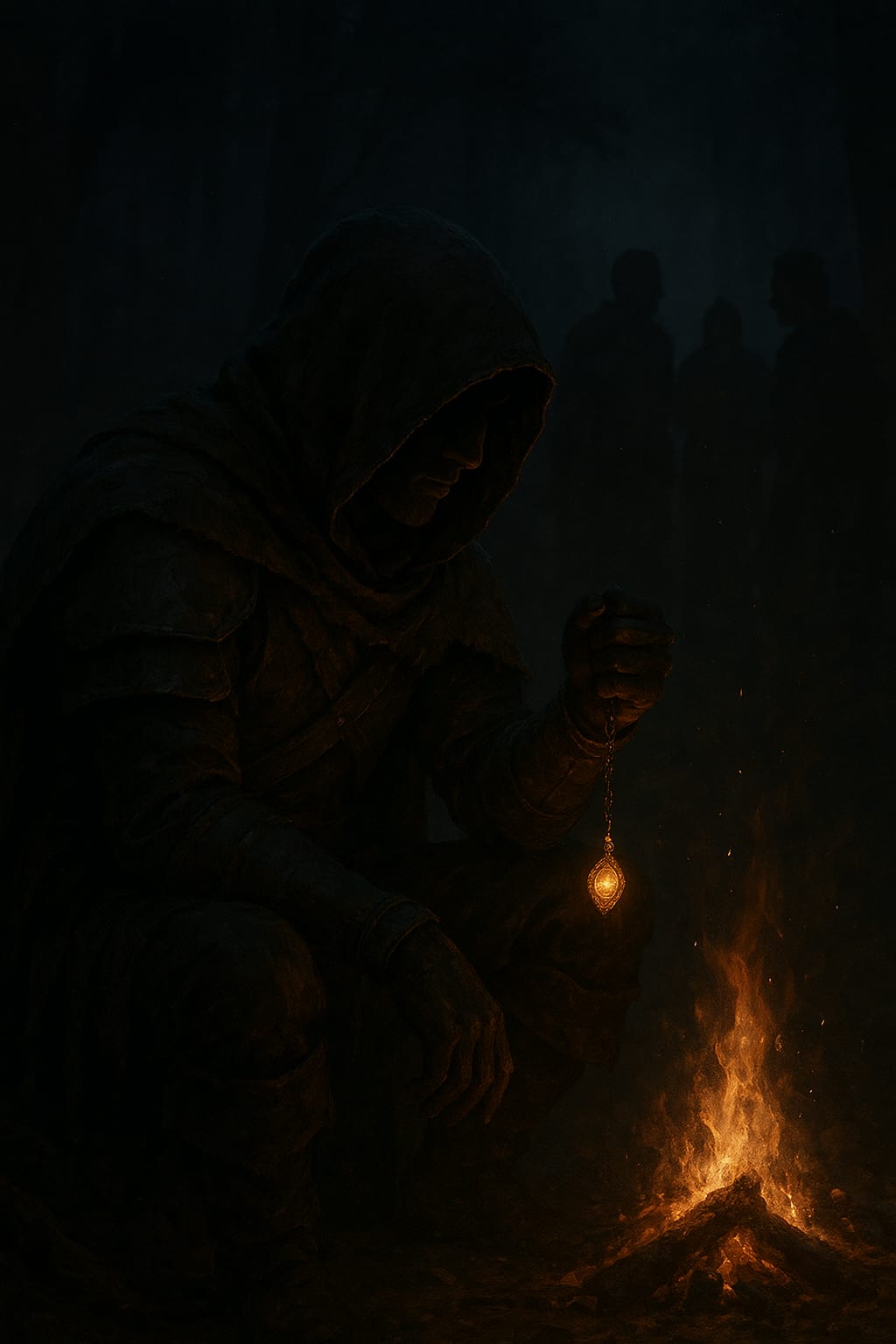
Every Dungeons & Dragons table has its share of heroes, but not every adventurer wears their soul on their sleeve. Some carry shadows within them—hidden truths, unresolved traumas, or forbidden pacts that shape who they are.
A dark secret can turn a straightforward character into a layered, unforgettable presence at the table. The challenge, however, lies in playing it well without derailing the game.
This guide will walk you through how to roleplay a D&D character with a dark secret, offering practical strategies to make your roleplay compelling, immersive, and respectful of the group’s overall story.
Why a Dark Secret Elevates Roleplay
Characters with hidden pasts feel more real because people in the real world often conceal parts of themselves. A dark secret introduces:
- Tension: The constant fear of discovery builds suspense.
- Conflict: Internal struggles make characters unpredictable.
- Depth: Secrets explain motivations that would otherwise seem random.
- Drama: Revealing the truth can create some of the most memorable moments in a campaign.
Handled properly, secrets can enrich the story. Mishandled, they can alienate the party or stall the game. The trick is balance.
Step 1: Define the Secret Clearly
Before you step into character, ask yourself: What exactly is the secret? A vague concept won’t carry much weight. Pin it down to something specific and potentially explosive.
Examples of effective dark secrets include:
- A pact with a fiend that grants forbidden magic.
- Betrayal of a former ally that led to someone’s death.
- A hidden bloodline tied to a villain or cursed dynasty.
- A crime long buried—murder, theft, or treason.
- A monstrous transformation barely under control.
The secret doesn’t have to be world-ending. Sometimes a personal shame, like cowardice in a past battle, can hit harder than any cosmic curse.
Step 2: Decide Who Knows
Not every secret should stay hidden forever. Decide early on which layers of truth exist and who might uncover them.
Only the player knows: The DM is kept in the dark, making the reveal more dramatic. This works for light secrets but can be risky if it clashes with the campaign.
The DM knows: This is the most common and safest option. The Dungeon Master can weave your secret into the story without blindsiding the party.
Another character knows: Sharing the burden creates roleplay opportunities. This ally may protect you—or betray you.
By setting boundaries on who knows what, you give yourself more control over the pacing of the reveal.
Step 3: Show the Secret Through Roleplay
The best secrets aren’t dropped in exposition; they bleed out through behavior. Let your character’s mannerisms, fears, and reactions hint at what’s hidden beneath the surface.
- Some subtle ways to show the cracks:
- Flinching when a certain name or place is mentioned.
- Reacting with unusual intensity to a seemingly minor event.
- Offering cryptic half-truths instead of full explanations.
- Avoiding certain topics—or overexplaining them.
- Carrying a strange item you never fully discuss.
These cues let other players sense that something is off without you spoiling the surprise outright.
Step 4: Balance Spotlight and Secrecy
One of the biggest mistakes with secret-driven characters is hogging the spotlight. Your dark backstory shouldn’t overshadow the rest of the party. Instead, think of it as a thread woven into the group’s larger tapestry.
A few guidelines:
- Don’t stall the story: Avoid withholding critical information just to protect your character’s secret.
- Share moments: Allow your secret to enrich other characters’ arcs, not replace them.
- Pace the reveal: Spread hints across multiple sessions rather than dumping everything at once.
If your secret creates tension, make sure it’s fun tension, not frustration.
Step 5: Plan the Reveal
Secrets are meant to come out eventually. When that happens, it should feel earned, not forced. Think about how you’d like the truth to be revealed.
Possible reveal methods:
- Accidental Discovery – Another character uncovers evidence of your past.
- Forced Confession – Pressured in the heat of battle or negotiation, your character admits the truth.
- Self-Sacrifice – The reveal comes at a critical moment where keeping the secret endangers the party.
- Gradual Unfolding – Bits and pieces are revealed until the full truth becomes undeniable.
The reveal should deepen the story, strengthen party bonds, or heighten conflict that drives the campaign forward.
Step 6: Tie the Secret to the Campaign
The strongest secrets aren’t isolated—they link to the larger world. Talk with your Dungeon Master about ways to anchor your hidden past to the campaign’s main story.
For example:
- Your family’s betrayal connects to the villain’s rise.
- The curse you carry mirrors the kingdom’s larger corruption.
- The crime you committed involves an NPC the party later meets.
When your dark secret fits the campaign’s themes, it becomes more than flavor—it becomes fuel for the adventure.
Tips for Dungeon Masters
If you’re the DM, managing player secrets can be tricky. A few best practices include:
- Encourage clarity early on. Make sure the secret won’t derail the campaign.
- Use it as a story tool. Bring in NPCs, clues, and foreshadowing to make the secret feel alive.
- Time the reveal carefully. Let it happen at a dramatic but natural moment.
- Support the group dynamic. Ensure the secret adds to the party’s bond rather than fracturing it.
Handled with care, a dark secret can become one of the most powerful narrative devices at your table.
A D&D character with a dark secret is more than just a gimmick—it’s a way to create drama, tension, and unforgettable moments of storytelling. The key is restraint: reveal just enough to keep others intrigued while saving the heart of the secret for the right moment.
When done well, your character’s hidden past will echo throughout the campaign, leaving your group with stories they’ll retell long after the dice have stopped rolling.
About the Creator
Richard Bailey
I am currently working on expanding my writing topics and exploring different areas and topics of writing. I have a personal history with a very severe form of treatment-resistant major depressive disorder.
Keep reading
More stories from Richard Bailey and writers in Gamers and other communities.
Civilization VII Emergent Narrative System: How It Works and Why It Matters
Civilization has always been a series about choices, strategy, and the relentless push for progress. With Civilization VII, the developers are taking a bold step forward by introducing the Emergent Narrative System.
By Richard Bailey6 months ago in Gamers
U4gm Diamond Dynasty Red Diamond Cards: Which One Truly Dominates MLB The Show 26?
MLB The Show 26 has taken Diamond Dynasty to an entirely new level, and nothing has the community more excited than the ultra-rare Red Diamond cards. These cards aren’t just for collectors—they can completely change the outcome of Ranked Mode matches, turning a close game into a legendary comeback. But with so many options available, which Red Diamond cards truly stand out?
By Dangyc Ding4 days ago in Gamers
The Honed Ashlar, Part 2 of 5
Part 2: The Level and the Gavel The Chamber of Silence Silas awoke to silence, heavy, absolute. The air scrubbed of exhaust; smelling of cold stone, raw beeswax, and the metallic tang of a whetstone. He lay on a cot. Not a mission mat. Taut canvas stretched over a steel frame. Plumb. Level. The bolts tightened to a specific, unyielding torque. No sagging allowed.
By Nathan McAllister7 days ago in Gamers



Comments
There are no comments for this story
Be the first to respond and start the conversation.