
Creative Alternatives to Combat in D&D 5e
Discover Engaging D&D 5e Alternatives to Combat, Including Puzzles, Social Encounters, and Exploration Challenges That Keep Your Players Hooked

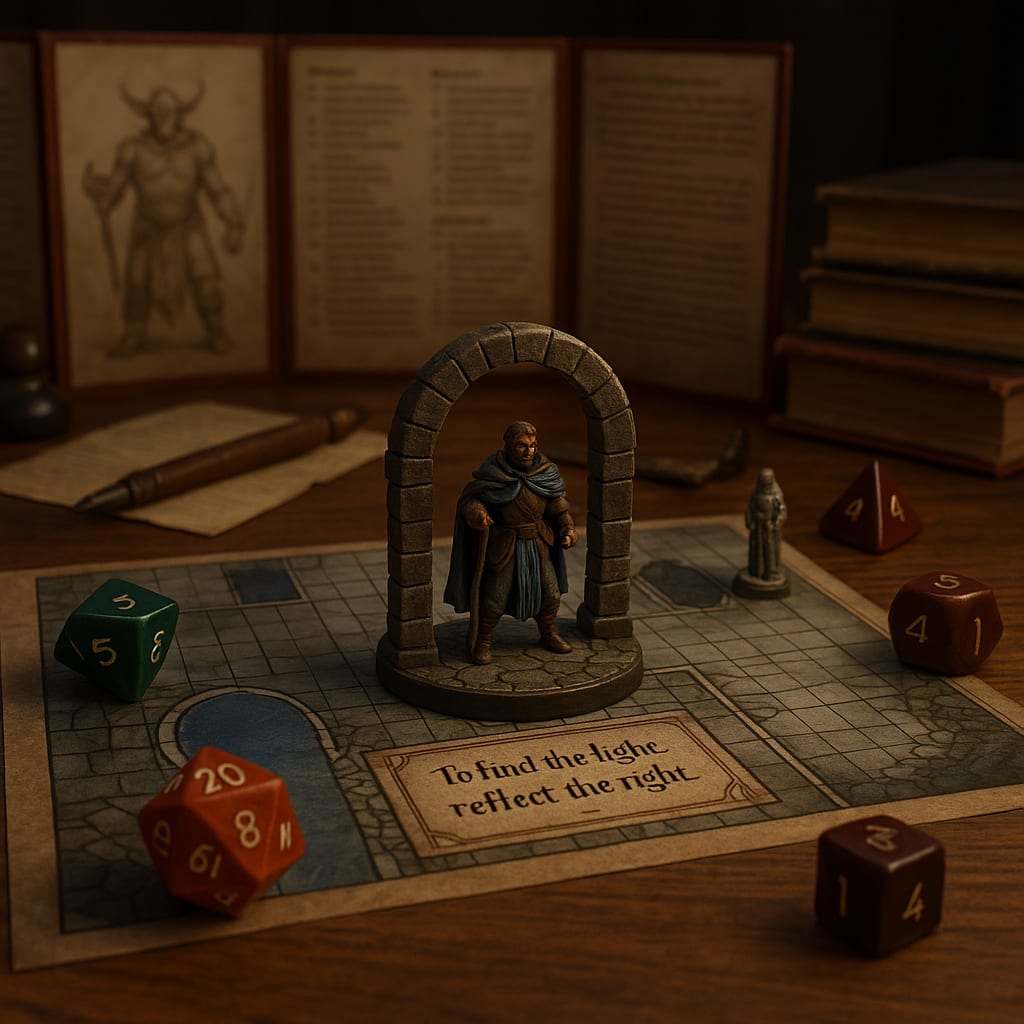
Combat is a cornerstone of Dungeons & Dragons 5e, but it’s not the only path to excitement. Too much of it can lead to fatigue—for both players and Dungeon Masters. If you’re looking to break up the battle monotony and bring more dynamic, story-rich moments to your sessions, you’re in the right place.
In this guide, we’ll explore a wide range of creative alternatives to combat in D&D 5e, including puzzles, social challenges, and exploration mechanics that inspire player ingenuity and narrative immersion.
Why Look Beyond Combat?
Before we dive into specific tools, let’s consider why diversifying your game with non-combat encounters matters.
- Avoiding Burnout: Long or frequent battles can slow pacing and exhaust player interest.
- Character Development: Roleplaying opportunities flourish outside the initiative order.
- Player Variety: Not every player builds for combat—social and mental challenges give others a moment to shine.
- Immersive Worldbuilding: Non-combat encounters show a living world full of culture, mystery, and depth.
1. Puzzles and Riddles: Engaging the Brain
Why Use Puzzles?
Puzzles are a fantastic way to challenge players’ intellect and foster teamwork. When done well, they can halt a party in their tracks, not with swords, but with uncertainty and curiosity.
Tips for Great D&D Puzzles:
- Make Them Relevant: Tie puzzles to the world or plot. A temple to a god of secrets should feel mysterious.
- Offer Multiple Solutions: Clever players often think outside the box. Don’t punish creativity.
- Use Skills and Spells: Let Arcana, Investigation, or even Detect Magic help unravel a puzzle.
Puzzle Ideas:
- Magical Lock Puzzle: A door with four glowing sigils, only opened by pressing them in the order of historical events.
- Weight Plate Riddle: Players must balance objects on a pressure plate to match a cryptic poem’s clues.
- Mirror Maze: Reflective surfaces show “alternate realities”—some lie, some show truth. Players must decode which path is real.
2. Social Challenges: Roleplay with Stakes
Roleplay Beyond Talking
Social interactions can go far beyond friendly tavern banter. With clear stakes, NPC motivations, and consequences, these become as tense and meaningful as any fight.
Mechanics You Can Leverage:
- Skill Contests: Persuasion vs Insight, Deception vs Insight, Intimidation checks in high-pressure dialogue.
- Attitude Shifting: Use the NPC reaction rules from the Dungeon Master’s Guide (pages 244–245) to model how PCs shift opinions.
- Faction Reputation: Keep track of how different groups feel about the party—social wins can open doors combat never could.
Social Encounter Ideas:
- Political Dinner: The party must secure a noble’s support without offending rival houses—each action shifts the power balance.
- Criminal Negotiation: A thieves’ guild offers information… but only if the party proves themselves with a favor or deception.
- Public Trial: One of the PCs is falsely accused. Can the party uncover the truth and sway the court?
3. Exploration Encounters: Turning the World Into a Challenge
Why Exploration Matters
Exploration is more than travel—it’s where your world breathes. It’s where mystery, danger, and discovery live outside the battlefield.
Use Environmental Challenges:
- Hazardous Terrain: Cliffs, lava flows, swamps—make players solve movement and safety challenges.
- Weather & Survival: Blizzard conditions, dehydration, or sandstorms force resource management and ingenuity.
- Time Pressure: The ruins are collapsing. A magical storm approaches. Players must decide: push forward or turn back?
Tools for Exploration Mechanics:
- Travel Pace Rules (PHB, pg. 181): Affect how much ground the party covers and what they might miss.
- Random Encounters with Flavor: Not every encounter needs combat. What if they find a forgotten shrine or a whispering tree?
- Skill-Based Discovery: Let Investigation, Nature, or Survival uncover hidden paths, ancient glyphs, or trapped corridors.
Exploration Encounter Ideas:
- Cursed Forest: Each day, the forest rearranges. Survival and Arcana checks reveal safe routes. Nature spirits demand riddles to pass.
- Flooded Tomb: Water is rising. Players must solve how to drain the chambers—or swim to safety before air runs out.
- Mountain Pilgrimage: The party must scale a mountain through rockslides, sacred tests, and thin air to gain divine favor.
4. Mystery and Investigation: D&D as a Detective Story
These sessions slow down time, focus on detail, and put the spotlight on critical thinking.
How to Run a Mystery:
- Create Clues, Not Conclusions: Give the party the pieces, not the picture.
- Use the Three Clue Rule: For any vital plot point, provide at least three paths to uncover it.
- Tie Into Player Backstories: Personal investment makes investigation more compelling.
Investigation Scenario Ideas:
- Murder at the Ball: Someone dies mid-gala. The killer hides among nobles. Can the players unmask them before they vanish?
- Missing Caravan: A trade route goes dark. What they find is a shattered wagon, strange tracks, and conflicting survivor testimonies.
- Haunted Library: A ghost holds a key to stopping a coming threat—but will only speak to those who unravel the mystery of her death.
5. Moral Dilemmas: Let the Players Wrestle with Ethics
Sometimes, the most memorable non-combat encounters don’t involve puzzles or mechanics—they involve tough choices.
Why They Work:
- Force character development.
- Impact the world in meaningful ways.
- Stick in players’ minds long after the session ends.
Dilemma Examples:
- Mercy or Justice?: An enemy begs for their life, offering information in exchange for mercy.
- Collateral Damage: Saving a town means flooding a nearby village—do the players follow through?
- The Lesser Evil: A demon offers peace in exchange for one soul. The town votes yes. Do the players intervene?
Tips for Balancing Combat and Non-Combat
- Set Expectations: Let your players know you’ll be using diverse encounter types.
- Reward Roleplay and Problem Solving: Grant Inspiration or unique loot for non-violent successes.
- Mix Encounter Types: Blend social scenes into dungeons. Add puzzles to boss fights. Make combat optional where possible.
A Richer Game Awaits
Combat is just one facet of what makes Dungeons & Dragons compelling. By introducing puzzles, social intrigue, exploration, and moral complexity, you give players a world worth exploring—not just conquering.
Creative alternatives to combat in D&D 5e don’t just make for a varied campaign—they make for a memorable one.
About the Creator
Richard Bailey
I am currently working on expanding my writing topics and exploring different areas and topics of writing. I have a personal history with a very severe form of treatment-resistant major depressive disorder.
Keep reading
More stories from Richard Bailey and writers in Gamers and other communities.
How to Handle Problem Players in D&D (Without Killing the Vibe)
Being a Dungeon Master is a rewarding but challenging role. You're the storyteller, referee, world-builder—and occasionally, the conflict mediator. While most game nights are filled with laughs, creativity, and epic moments, every DM eventually faces a difficult truth: problem players happen. Whether it’s the spotlight hog, the rules lawyer, or the player who treats the game like a PvP battle royale, disruptive behavior can derail even the best campaigns.
By Richard Bailey10 months ago in Gamers
FIFA 23 Will Completely Change How You Experience Football on Xbox Forever
Few sports games have reached the global recognition and influence of FIFA 23. Developed by EA Sports and available on Xbox, the game represents one of the most refined football simulations ever created. It combines realism, fast-paced gameplay, and immersive presentation to deliver an experience that captures the essence of the sport.
By Lukáš Hrdlička4 days ago in Gamers
"Scream 7" (2026): Running out of Fresh Screams
This is the seventh time we’ve had a Ghostface crisis. Scream 7 is the latest edition of the Scream franchise. Sydney Prescott and her family are under attack by another anonymous killer dressed in a Ghostface costume. While having issues with her daughter, Tatum, they run from the bloody murders, trying to determine who is behind it all.
By Marielle Sabbag6 days ago in Horror



Comments
There are no comments for this story
Be the first to respond and start the conversation.