
Characteristics and impact of rivalries in major sports
Sports rivalries are complex socio-cultural phenomena that go beyond simple on-field confrontations. The sustained and intense competition between two teams or players is a key element that forms the essential interest of sports, stimulating both the passion of fans and the performance of players.
Introduction
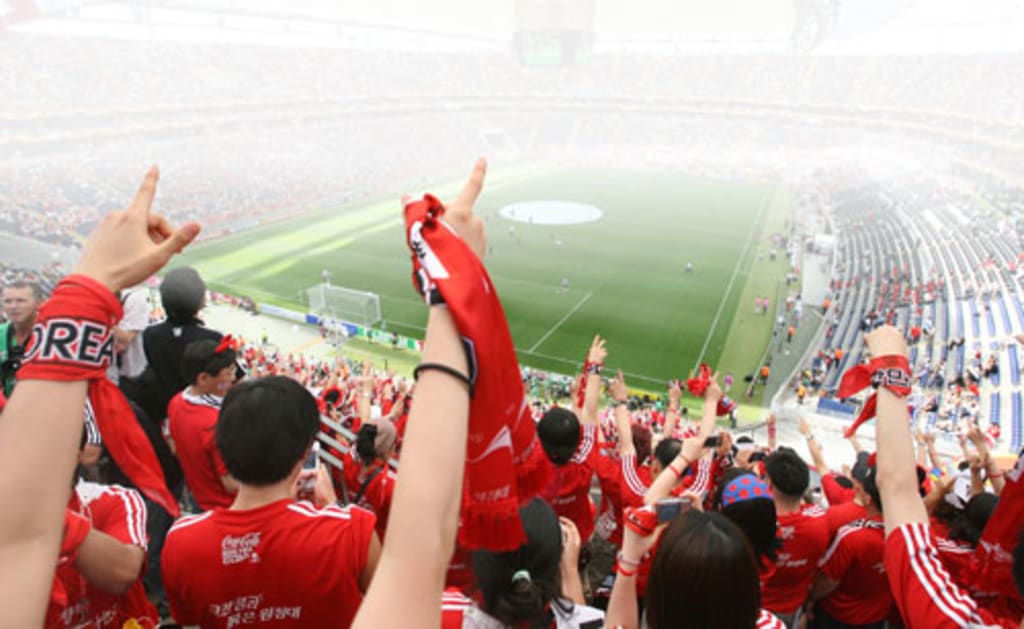
Sports rivalries are complex socio-cultural phenomena that go beyond simple on-field competition. The continuous and intense competition between two teams or players is a key element that forms the essential interest of sports, stimulating both the passion of fans and the performance of players. These rivalries are formed by various factors such as regional identity, historical conflict, and personal competition, and create psychological and emotional tensions both on and off the field.
In professional sports, rivalries are also a powerful marketing tool that maximizes the affection and loyalty of fans and attracts media attention. They serve as a driving force for players to overcome their limits and demonstrate their best skills, and provide thrills and anticipation to spectators. Rivalries are an important social phenomenon that symbolizes the cultural value and competitive spirit of sports beyond simple competition.
Factors in the Formation of Rivalries
The formation of sports rivalries is the result of the interaction of multi-layered and complex factors. Regional factors are the most basic mechanism for forming rivalries. Teams in geographically adjacent cities or regions naturally develop rivalries. The rivalry between Doosan and Samsung in Korean professional baseball and Suwon and Seoul in soccer are typical examples of regional rivalries.
Historical factors also play an important role. Past fierce rivalries, memories of decisive games, and a history of victories and defeats create emotional confrontations between teams. In particular, matches in important tournaments or finals are a decisive factor in forming long-term rivalries.
Personal rivalries between star players are also a key factor in deepening rivalries. Outstanding individual competition adds additional excitement and tension to matches between teams. In addition, differences in teams’ unique playing styles and strategic approaches are another important factor in forming rivalries. Matches between teams with aggressive playing styles and defensive strategies are especially exciting and dynamic.
These various factors work together to create persistent and intense rivalries in sports, providing excitement and emotion to fans.
Representative rivalries in major sports
The most famous rivalry in Korean professional baseball is that between the Doosan Bears and the Samsung Lions. These two teams, representing the metropolitan area and Gyeongsang Province, have been the two biggest mountains in Korean baseball for decades. The rivalry between Kia Tigers and Samsung Lions is also very fierce and is a key driving force behind the popularity of the league.
In soccer, the Seoul Metropolitan Derby between Suwon Samsung Bluewings and FC Seoul is representative. Due to their geographical proximity and long history of competition, it is considered the most passionate rivalry among spectators. The rivalry between Jeonbuk Hyundai and Ulsan Hyundai also forms an important matchup structure in Korean professional soccer.
In professional basketball, the rivalry between Seoul SK Knights and Ulsan Hyundai Mobis is famous. The rivalry between Wonju Dongbu and Incheon Electronic Land also creates an interesting matchup structure in the league.
Positive Effects of Rivalries
Sports rivalries are a key driving force behind the popularity of games. Rivalries maximize spectator expectations and increase stadium seat occupancy. Fans actively purchase tickets and cheer passionately so as not to miss the matches between fateful rivals.
For players, rivalries serve as a powerful motivation for self-development. They strive to improve their skills to a higher level in order to beat their rivals, which leads to growth for both individuals and teams. Fierce competition acts as a catalyst to bring out the potential of athletes.
In addition, rivalries greatly increase the popularity and commercial value of sports. Media attention and broadcasting rights value increase, and fan participation and passion increase, creating popularity and economic effects for the entire sports industry.
Negative effects of rivalries
Excessive emotional confrontation in rivalries can sometimes lead to serious side effects. In particular, overheated rivalries can lead to violence both inside and outside the stadium. Extreme confrontation between fans can develop into physical conflict and violent behavior, which undermines the essential value of sports.
Athletes are also exposed to serious psychological stress in this excessive competitive structure. Constant pressure and expectations have a negative impact on athletes’ mental health, leading to decreased performance and increased risk of injury. In particular, the psychological burden felt in important matches against rival teams can cause excessive tension and stress in athletes.
These negative effects are serious problems that hinder the healthy development of sports, and can lower the quality of sports culture in the long term.
Conclusion
Sports rivalries are a core dynamic of modern sports culture, and they have complex and multidimensional characteristics. On the positive side, rivalries are a powerful driving force that maximizes the popularity of sports and promotes the improvement of players’ performance. They provide passion and a sense of belonging to fans, and they are an important socio-cultural phenomenon that reinforces regional and team identities.
However, rivalries also have serious negative potential. Excessive emotional confrontation can lead to violence, hatred, and psychological stress among players and fans, so caution is needed. This risks damaging the essential values and spirit of sports.
A multifaceted approach is required to establish a healthy rivalry culture. Sports organizations, fans, and players should compete based on mutual respect and the spirit of fair play. We must create a mature culture that excludes violence and hatred and sublimates competition into a positive stimulus. The value of healthy rivalries can be realized through responsible media reporting, sports education, and improvement of fan culture.
Ultimately, rivalries are an important element that reveals the essential values of sports. Through mutual respect and constructive competition, sport can evolve beyond mere competition into a powerful cultural platform for social inclusion and personal growth.
If you missed a sports game you wanted to see or there is a sports game you really want to see, please visit the free sports streaming site and watch it. Thank you.
About the Creator
Mr. choi
I think you can enjoy sports more if you have basic knowledge about sports. I want to create opportunities to learn little by little. I want to provide information such as sports broadcasts and sports news.
Animal Crossing: New Horizons 3.0 Update Review:
After 1,410 hours across five years and loving this game enough to gift it to multiple friends, I never expected to be writing this review. When Nintendo declared version 2.0 the "final major update" back in November 2021, we all accepted that New Horizons' story was complete. Four years later, here we are with version 3.0, released January 14, 2026, and I have complicated feelings about this surprise resurrection.
By Parsley Rose about 4 hours ago in Gamers
A Dart at Dusk
Seconds ago, the sullen sun set on the two of us… my exuberant furry companion and me. A fresh breeze embraces us, delivering welcome relief from the day’s oppressive heat. His typical stumbling and staggering along — apace with a sloth — has turned into trip-trapping, high-stepping, almost skipping along.
By Angie the Archivist 📚🪶6 days ago in Petlife



Comments
There are no comments for this story
Be the first to respond and start the conversation.