
Bridging the Worlds of Game Development and Machine Learning: A Journey from Unity to Transformers
Exploring the intersection of interactive experiences and artificial intelligence.

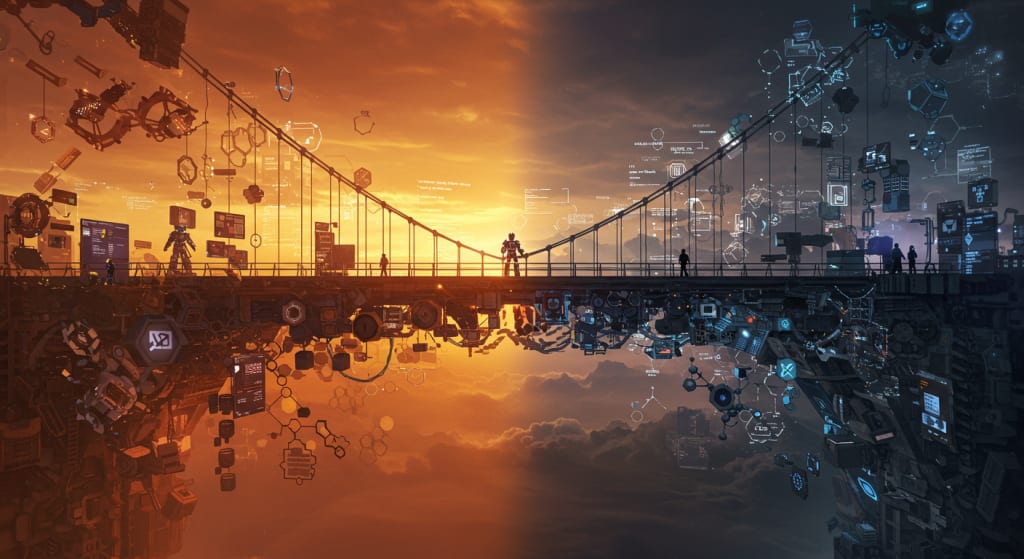
In the ever-evolving landscape of technology, two domains have gained significant traction: game development and machine learning. Game developers and machine learning engineers are increasingly finding intersections between their fields, leading to innovative solutions that enhance user experiences and enrich gameplay. This article explores the synergy between Unity game development and transformer models, particularly focusing on how tools like npm and libraries such as PyTorch and TensorFlow facilitate this integration.
The Unity Game Development Paradigm
Unity is a powerful game engine that has become the go-to platform for developers looking to create engaging, interactive experiences. Its intuitive interface, extensive asset store, and robust community support make it an ideal choice for both beginners and seasoned professionals. A critical aspect of Unity development is its ability to integrate various libraries and tools that can enhance game functionality.
For instance, developers often utilize npm — a package manager for JavaScript — to streamline their workflow. By running commands like `npm install lodash`, developers can quickly add utility functions that simplify tasks, such as manipulating arrays or objects. This ability to pull in external libraries allows for rapid prototyping and development, making Unity an even more versatile tool in the game development toolkit.
The Rise of Machine Learning in Gaming
On the other hand, machine learning has emerged as a transformative force across various sectors, with the gaming industry being a notable beneficiary. Machine learning models, particularly those based on transformer architectures, have the potential to revolutionize game design and player interaction. Frameworks like PyTorch and TensorFlow empower developers to create, train, and deploy these models efficiently.
Transformers, originally designed for natural language processing, have found applications in gaming through their ability to understand context and generate coherent text. This capability can be utilized for creating dynamic dialogues, enhancing NPC behavior, and even generating game content on the fly. The fusion of Unity with machine learning enables developers to create more immersive and responsive gaming environments.
Common Ground: Integrating Unity with Machine Learning
The intersection of Unity and machine learning offers exciting possibilities. By leveraging the strengths of both fields, developers can create games that adapt to player behaviors, learn from interactions, and provide personalized experiences. For example, integrating a transformer model into a Unity game could allow for NPCs that not only respond intelligently based on player input but also evolve their responses over time, creating a more lifelike interaction.
Furthermore, utilizing Unity’s built-in tools for visual scripting can simplify the integration of machine learning models, allowing developers who may not have extensive programming knowledge to harness the power of AI in their games. This democratization of technology encourages creativity and innovation, leading to a new wave of game concepts and designs.
Actionable Advice for Developers
To effectively bridge the gap between Unity and machine learning, consider the following actionable steps:
1. Familiarize Yourself with Machine Learning Basics: Understanding foundational concepts in machine learning, such as supervised vs. unsupervised learning, model training, and evaluation metrics, will empower you to make informed decisions when integrating AI into your games.
2. Experiment with Pre-trained Models: Utilize pre-trained transformer models available through libraries like Hugging Face’s Transformers. This can save time and allow you to focus on how to integrate these models into your Unity projects, enhancing gameplay without starting from scratch.
3. Engage with the Community: Join forums, attend workshops, or participate in hackathons focused on Unity and machine learning. Networking with other developers can provide valuable insights, inspire new ideas, and keep you updated on the latest trends and tools in both fields.
Conclusion
The convergence of Unity game development and machine learning presents a unique opportunity for developers to create groundbreaking experiences. By leveraging powerful tools like npm, PyTorch, and TensorFlow, developers can innovate in ways previously thought impossible. As the gaming industry continues to embrace technological advancements, those who integrate machine learning into their workflows will likely lead the charge in crafting engaging, adaptive, and immersive gaming experiences. The future of gaming is not only about captivating visuals and gameplay mechanics but also about intelligent systems that enhance player interaction and engagement. Embrace this exciting frontier, and let your creativity flourish.
About the Creator
Maxim Dudko
My perspective is Maximism: ensuring complexity's long-term survival vs. cosmic threats like Heat Death. It's about persistence against entropy, leveraging knowledge, energy, consciousness to unlock potential & overcome challenges. Join me.
Keep reading
More stories from Maxim Dudko and writers in Gamers and other communities.
Harnessing the Power of Automation in Game Development with CircleCI and Unity
Forging Ahead: Automating Game Development with the Combined Strength of CircleCI and Unity In the whirlwind, ever-shifting landscape of game development, the ability to sprint forward without stumbling is paramount. Speed isn't enough; it must be coupled with unwavering accuracy. Think of efficiency and precision less as buzzwords and more as the fundamental ingredients for concocting truly successful, captivating games. Developers are perpetually seeking smarter pathways – ways to smooth out the bumpy roads of their workflows, ignite sharper collaboration, and consistently ship those polished, top-tier experiences that players can't get enough of. Enter two potent allies on this relentless quest: CircleCI, a steadfast anchor in the continuous integration universe, and Unity, the versatile engine breathing life into untold digital adventures across every conceivable platform. This exploration dives deep into how you can genuinely harness automation's formidable power by seamlessly weaving CircleCI into the very fabric of your Unity development process, offering actionable wisdom on bending these powerful tools to serve *you* and the unique pulse of your project.
By Maxim Dudko6 months ago in Gamers
Stardew Valley Friendship Decay: How the 1.7 Social Update Changes Everything
Relationships in Pelican Town have always been a delicate dance of daily greetings and carefully selected gifts. You spend seasons chasing down Sebastian in his basement or waiting for Haley by the fountain, all to see those little red hearts fill up.
By Richard Baileya day ago in Gamers
The Ritual of Winter Challenge Winners
Welcome to the Winners Announcement for The Ritual of Winter challenge. This prompt focused on winter rituals and the meaning that settles into them over time. The top pieces stay grounded in ordinary acts and repeated routines, letting winter shape the work through pace, attention, and restraint.
By Vocal Curation Team6 days ago in Resources


Comments
There are no comments for this story
Be the first to respond and start the conversation.