
5 Easy Dungeon Master Tricks to Keep Players Engaged
Simple, Proven Tips Every Dungeon Master Can Use to Keep D&D Players Immersed and Excited from Start to Finish

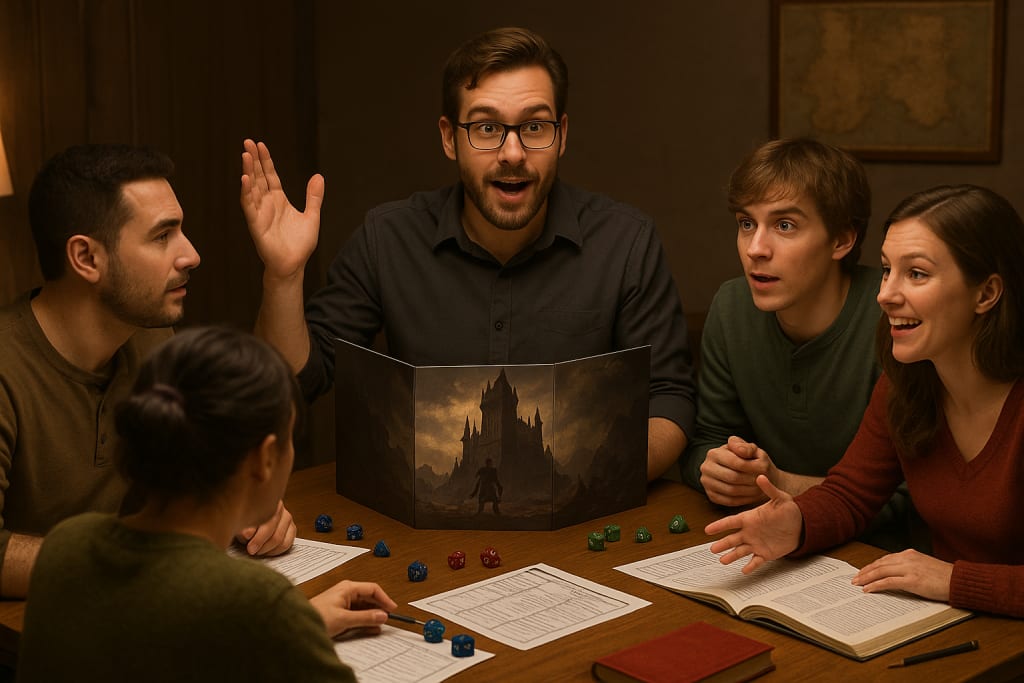
When you sit behind the Dungeon Master’s screen, you’re not just running a game—you’re orchestrating an experience. Your players have gathered around the table (or online) with the hope of being transported into another world.
But here’s the challenge: attention spans are shorter than ever. Between phones, snacks, and wandering minds, keeping your players immersed for an entire session can be a real battle.
The good news? You don’t need to overhaul your entire campaign to keep them hooked. A few smart, deliberate techniques can transform a drifting group into an attentive, invested party of adventurers.
Below, we’ll break down five simple tricks any Dungeon Master can use to keep players engaged from the first roll of the dice to the final scene of the night.
1. Start Sessions with a Bang
The first five minutes of your game are critical. If you begin with slow, meandering setup, you risk losing momentum before you’ve even started. Instead, kick things off with immediate action.
It doesn’t have to be a full combat encounter. In fact, some of the most engaging openers are dramatic non-combat moments—an unexpected explosion in the city square, a mysterious message slipped into a character’s pocket, or the sound of a terrified villager pounding on the tavern door.
When players start in the middle of something urgent, their curiosity spikes. They ask questions. They roleplay more naturally. And most importantly, they forget about the real world and lean into the adventure.
Pro Tip: Keep a few high-energy “session openers” prepared in your notes so you’re never stuck starting with, “So, what do you all want to do today?”
2. Give Every Player a Personal Stake
Players are far more attentive when the story ties directly to their characters. If they feel like bystanders in someone else’s plot, you’ll see eyes wandering and attention fading.
Instead, find small ways to make every player feel central to the events unfolding. A rogue might recognize the crest on a noble’s ring from a childhood memory. The cleric could discover that the cult you’ve introduced worships a corrupted version of their deity. Maybe the barbarian’s long-lost sibling is a prisoner in the enemy’s dungeon.
This doesn’t require rewriting your whole campaign. It’s about layering in personal connections to your existing story. Even a few moments of individual spotlight time each session can anchor a player’s investment in the plot.
When players feel the world reacts to them, they react to the world.
3. Use Pacing Like a Weapon
Too many DMs keep encounters—combat, exploration, or social—at a steady, predictable rhythm. That’s a recipe for monotony.
Think of pacing as a lever you can pull to keep energy levels fluctuating. After an intense battle, drop the players into a slow, tense conversation with a suspicious NPC. After a period of relaxed travel, hit them with a sudden moral dilemma or environmental hazard.
Changing tempo keeps players alert. They never know what’s coming next, so they lean forward instead of zoning out.
And don’t be afraid of silence. A pause at the right moment—before revealing an NPC’s betrayal, for example—can make a scene hit harder than any amount of narration.
4. End on a Cliffhanger
If you want players to show up excited for the next session, you have to end with something they can’t stop thinking about.
That could be a sudden threat (“The door bursts open and you see a shadow with glowing red eyes”), an unresolved mystery (“The map burns away in your hands, but the last thing you see is a single name”), or a shocking reveal about an NPC they trust.
Cliffhangers work because they create tension the players can’t resolve until the next session. This not only keeps them engaged during the game but also keeps them talking about it between sessions.
Just be sure the payoff matches the build-up—if the “mysterious figure” they’ve been dreading turns out to be a shopkeeper with bad news about bread prices, you’ll lose their trust fast.
5. Give Players Control Over the Story
The most engaging games are those where players feel they shape the outcome, not just react to it. If every problem has one solution—or worse, if you’ve already decided how events will unfold—you’re cutting out their agency.
Instead, present situations with multiple possible outcomes. Let them negotiate with the villain instead of forcing combat. Give them two equally dangerous paths through a cursed forest and let them choose. Reward creative problem-solving, even when it bends your plans.
When players see that their choices matter, they invest more in every scene. They’ll debate, strategize, and roleplay with greater intensity—because they know it’s not just for show.
You don’t need complicated house rules or elaborate props to keep your players engaged. These five tricks—starting strong, making it personal, controlling pacing, ending with cliffhangers, and giving players agency—are simple, repeatable, and incredibly effective.
As Dungeon Master, you’re the storyteller, but you’re also the conductor of the game’s energy. When you keep that energy alive and varied, your players won’t just pay attention—they’ll beg for the next session.
About the Creator
Richard Bailey
I am currently working on expanding my writing topics and exploring different areas and topics of writing. I have a personal history with a very severe form of treatment-resistant major depressive disorder.
Keep reading
More stories from Richard Bailey and writers in Gamers and other communities.
The Ultimate Guide to Milestone Leveling in D&D 5e
Leveling up in Dungeons & Dragons is one of the most satisfying moments for any player. The dice have been rolled, battles fought, and stories told—now comes the reward: a shiny new level with more abilities, more power, and more options to explore.
By Richard Bailey6 months ago in Gamers
FIFA 23 Will Completely Change How You Experience Football on Xbox Forever
Few sports games have reached the global recognition and influence of FIFA 23. Developed by EA Sports and available on Xbox, the game represents one of the most refined football simulations ever created. It combines realism, fast-paced gameplay, and immersive presentation to deliver an experience that captures the essence of the sport.
By Lukáš Hrdličkaabout 12 hours ago in Gamers
A Strategic Look at Today’s Monopoly GO Events — February 25, 2026
For players who enjoy planning their moves and maximizing rewards, February 25, 2026 offers a well-balanced lineup of events in Monopoly GO. Between overlapping tournaments, carefully timed boosts, and daily challenges, today’s schedule rewards patience, timing, and smart dice management rather than reckless rolling.
By Dangyc Ding7 days ago in Gamers


Comments
There are no comments for this story
Be the first to respond and start the conversation.