
20 Creative Homebrew Mechanics to Enhance Your D&D Combat Encounters
Unleash Epic Battles with These 20 Homebrew Combat Mechanics for D&D – Elevate Your Encounters with Creative Strategies and Dynamic Gameplay

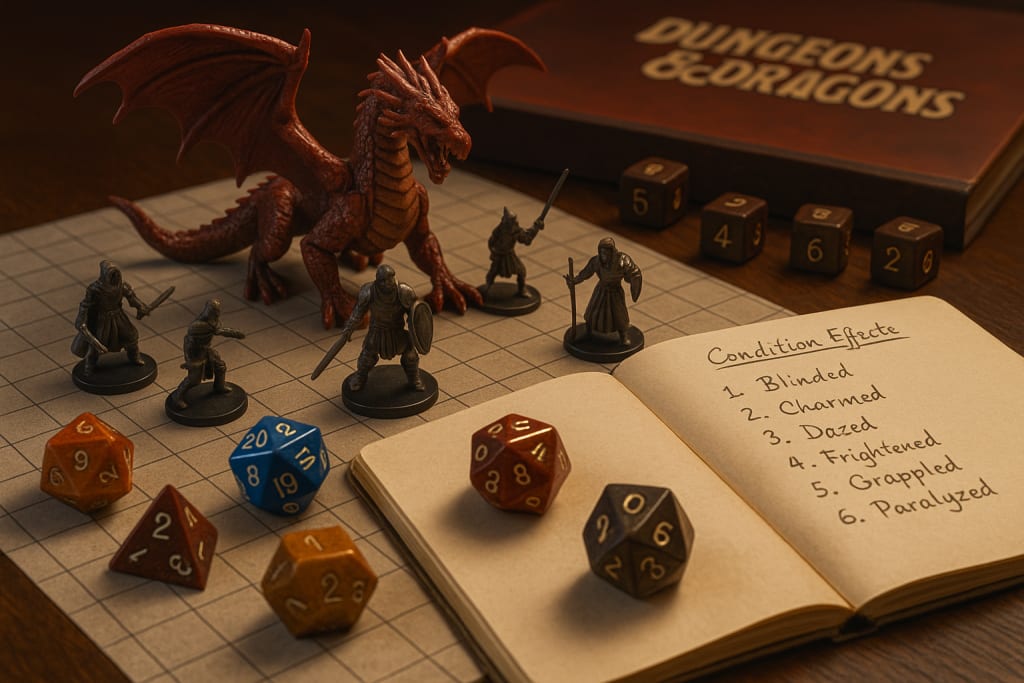
Dungeons & Dragons combat is already thrilling, but it can sometimes fall into repetitive patterns. If you want to shake things up and keep your players on their toes, consider introducing some homebrew mechanics that add depth, excitement, and unpredictability to your encounters.
In this article, we'll explore 20 creative homebrew mechanics that you can implement in your game. These ideas are designed to make combat more engaging, strategic, and memorable.
1. Dynamic Battlefield Conditions
Not every battlefield needs to be a static grid. Consider adding dynamic elements like shifting platforms, collapsing terrain, or rising tides of lava. These elements force players to think on their feet and adjust their strategies mid-combat.
For example, a combat encounter on a crumbling bridge with sections falling each turn adds urgency and positioning strategy, compelling players to move or risk falling.
Enhancement Tip: Vary these conditions based on the environment—ice flows in the tundra, quicksand in the desert, or enchanted floating platforms in a wizard's tower.
2. Environmental Traps
Integrating traps directly into combat encounters can change the flow of battle. Pressure plates, swinging blades, or collapsing walls that are triggered during combat can push players to be more mindful of their positioning.
For example, an ogre could attempt to push a player onto a spike trap, changing the flow of the fight.
Enhancement Tip: Use traps as environmental storytelling—perhaps a dungeon room is filled with old, rusted traps that hint at the dangers to come.
3. Legendary Actions for Non-Boss Monsters
Legendary Actions are typically reserved for big bads, but adding a scaled-down version to elite enemies can make combat more unpredictable. This mechanic allows certain enemies to act outside their turn, reacting to player actions dynamically.
For example, a vampire thrall might be able to counterattack when a nearby ally is struck.
Enhancement Tip: Limit it to one action per round for balance, and use it to disrupt predictable player tactics.
4. Morale System for Enemies
Not every monster fights to the death. Introduce a morale system where enemies might flee, surrender, or even switch sides if the tide of battle shifts dramatically. This adds a layer of realism and tactical decision-making—players might try to intimidate enemies into surrendering instead of fighting to the last hit point.
Enhancement Tip: Roll a morale check when half of the enemy's allies are defeated or when their leader falls.
5. Critical Hit Effects
Instead of just doubling damage on a critical hit, add unique effects based on weapon type. A sword might disarm an enemy, a mace could break armor, and a fire spell could set an enemy ablaze. These additional effects create cinematic moments that feel impactful.
Enhancement Tip: Craft unique critical tables for different weapon types to keep things fresh.
6. Squad-Based Tactics
Group weaker enemies into squads that act as a single unit. This simplifies initiative tracking and makes groups of goblins or skeletons feel more coordinated and dangerous.
For example, three goblins acting in unison could execute a 'flanking maneuver' to gain advantage.
Enhancement Tip: Allow squad leaders to issue commands that change their tactics each turn.
7. Terrain-Based Buffs and Debuffs
Create zones of the battlefield that offer advantages or disadvantages. Standing in a pool of holy water could grant temporary hit points, while fighting in a necrotic fog might drain health each turn. This makes positioning much more critical during a fight.
Enhancement Tip: Use visual cues in your descriptions so players understand the stakes before stepping into dangerous zones.
8. Action Surge for Monsters
Much like the Fighter's Action Surge, certain powerful enemies could be given the ability to take an extra action once per combat, catching players off guard. Imagine a troll regenerating and then attacking twice in quick succession—players will have to adapt fast.
Enhancement Tip: Reserve this for elite enemies to maintain balance.
9. Rotating Initiative
To keep combat unpredictable, experiment with rotating initiative each round, either by rolling fresh each time or cycling through a pre-set order. This prevents players from falling into comfortable attack patterns.
Enhancement Tip: Warn players ahead of time if you use this rule so they can prepare for the unpredictability.
10. Elemental Hazards
Introduce shifting elemental hazards like bursts of flame, patches of ice, or arcs of lightning that activate on specific initiative counts. This encourages players to watch for environmental cues and adjust their strategies accordingly.
Enhancement Tip: Create elemental 'hot spots' that change locations each round to keep players moving.
11. Momentum-Based Abilities
Reward players who consistently land hits or perform successful actions with momentum points, which can be spent to execute special moves or combos.
Enhancement Tip: Offer different types of momentum actions—like parries, disarms, or boosted attacks—to give players meaningful choices.
12. Weapon Durability
For a grittier feel, introduce weapon durability that degrades with critical misses or prolonged battles. This forces players to think tactically about their gear and opens opportunities for weapon-based side quests.
Enhancement Tip: Include blacksmiths or magical reforging stations as part of the adventure to repair or enhance gear.
13. Companion Tactics
Allow summoned creatures or animal companions to perform coordinated attacks with their owners, creating opportunities for strategic strikes.
Enhancement Tip: Develop combo moves that unlock when both companion and player score successful hits.
14. Bloodied State Abilities
When an enemy reaches half health, it unlocks more dangerous abilities or changes tactics, adding intensity to the fight.
Enhancement Tip: Describe visual cues like a glowing aura or crackling energy when enemies reach this state.
15. Siege Weapons and Stationary Defenses
Transform your battlefield into a warzone by adding siege weapons like ballistae, catapults, or arcane turrets. These massive weapons can either be controlled by players, defended against, or even sabotaged during the course of battle.
For example, defending a fort from orcs with a ballista at your disposal can change the stakes dramatically.
Enhancement Tip: Allow players to interact with these weapons mid-combat for epic, large-scale damage, or introduce sabotage mechanics where players can disable them during a fight.
16. Fog of War
Add an element of mystery and tension to your battles with a fog of war mechanic. This represents unclear visibility, whether it be magical darkness, heavy mist, or battlefield smoke. Characters might only see what's directly around them, creating the risk of ambush or surprise attacks.
Enhancement Tip: Use this mechanic in dense forests, dark caverns, or enchanted areas to heighten suspense and force strategic scouting.
17. Magical Weather Effects
During certain battles, the environment itself might be enchanted or cursed, causing unique effects. Lightning storms that strike at random intervals, blizzards that obscure vision and slow movement, or ash rains that poison the battlefield can drastically alter combat strategies.
Enhancement Tip: Allow spellcasters to interact with the weather (e.g., redirecting lightning strikes or calming storms) to create dynamic magical duels.
18. Boss Phases
Borrowing from video game design, boss encounters can be divided into distinct phases. When the boss reaches specific health thresholds, it can change its tactics, unlock new abilities, or alter the battlefield. A dragon might begin airborne attacks once it's injured, or a lich may summon waves of undead as it becomes desperat
Enhancement Tip: Visually describe these changes with environmental cues—like a burst of energy or shifting terrain—to signify the transition.
19. Ritual Mechanics
Some enemies may attempt to complete powerful rituals during combat that drastically change the battlefield or summon reinforcements. Players must decide whether to stop the ritual or deal with its consequences.
For example, cultists might be summoning a demon mid-battle, giving players a choice to interrupt them or face the creature.
Enhancement Tip: Add tension by setting a turn-based countdown. If players don't interrupt the ritual in time, the effect goes off with full force.
20. Reactive AI for Enemies
Upgrade your enemy tactics by giving them reactive AI-inspired behavior. Rather than sticking to pre-set actions, enemies can adjust based on player strategies. If a party uses a lot of fire damage, intelligent foes might begin using water or fire-resistant tactics. This forces players to adapt and avoid predictable patterns.
Enhancement Tip: Scale this mechanic based on enemy intelligence—simple beasts react instinctively, while smarter foes strategize dynamically.
Adding homebrew mechanics to your D&D combat encounters can transform the experience from a simple numbers game to a living, breathing battlefield. These ideas are designed to inject unpredictability, strategy, and excitement into your sessions, making each battle a unique storytelling moment.
Ready to try these mechanics out? Share your experiences and let me know which ones your players loved the most!
About the Creator
Richard Bailey
I am currently working on expanding my writing topics and exploring different areas and topics of writing. I have a personal history with a very severe form of treatment-resistant major depressive disorder.
Keep reading
More stories from Richard Bailey and writers in Gamers and other communities.
How to Balance Your D&D Homebrew Class: A Step-by-Step Guide
Creating a homebrew class for Dungeons & Dragons can be an incredibly rewarding experience. It allows you to bring unique concepts to life, tailored specifically to your campaign and your players' interests. However, balancing a homebrew class is crucial to ensure it’s both fun and fair—not too powerful, but not underwhelming either. In this guide, we'll walk through a step-by-step process to help you design and balance your homebrew class effectively.
By Richard Bailey10 months ago in Gamers
Essential Golf Tips Every Beginner Needs to Improve Their Game
Golf is a rewarding sport that combines skill, patience, and strategy. For beginners, the game can feel challenging because it requires mastering several techniques at once. Many new golfers focus too much on hitting the ball far instead of learning the fundamentals that lead to consistent performance. Improvement comes from developing good habits early, practicing with purpose, and understanding how each part of the game works together. With the right approach and consistent effort, beginners can build confidence and steadily improve their performance on the course.
By Daniel Ladner3 days ago in Gamers
7 Methods to Earn MLB The Show 26 Stubs Fast
In MLB The Show 26, stubs are the in-game currency that players use to purchase packs, cards, and other valuable items. Earning stubs can be challenging, but with the right strategies, you can accumulate them efficiently. Here are seven methods to help you earn stubs quickly without feeling overwhelmed.
By Snow manera day ago in Gamers


Comments (1)
I like the idea of dynamic battlefield conditions. It adds a whole new layer of strategy. I once had a fight on a ship during a storm. Waves crashing around made it hard to stay balanced and plan attacks. Made for a really intense encounter. How would you balance these homebrew mechanics so they don't overpower the game? Environmental traps sound cool too. I remember a time when a hidden pitfall in a dungeon caught my players off guard. It added a nice surprise. But how do you make sure the traps don't seem unfair or cheap? And the legendary actions for non - boss monsters? That could really mix things up. I'm curious how you'd decide which enemies get this ability and how often they can use it.