
10 Brilliant Plot Twists for Your D&D Campaign (That Won’t Break the Story)
Unforgettable D&D Plot Twists That Surprise Players Without Ruining Your Campaign’s Storyline

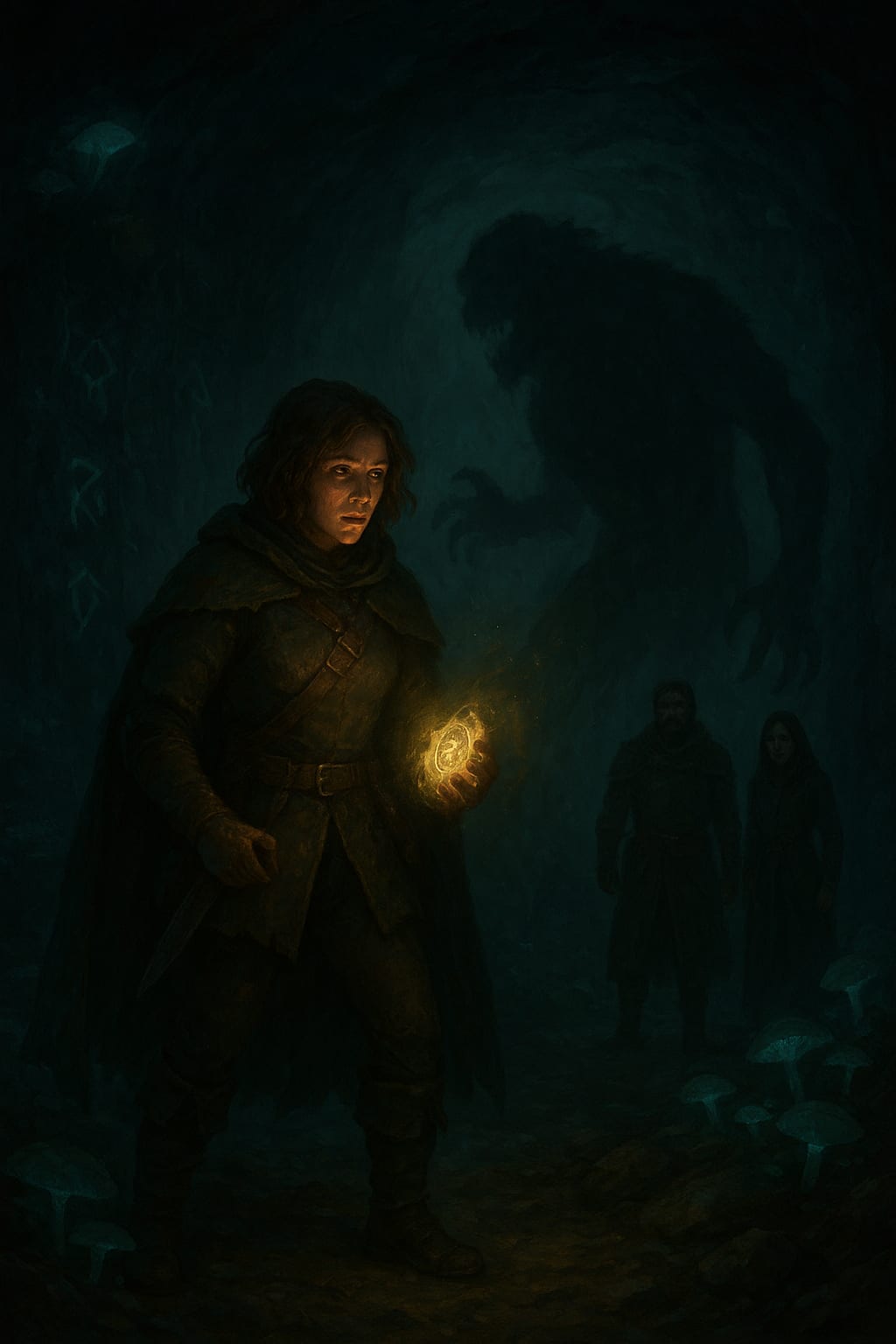
Every Dungeon Master dreams of that moment—the table goes silent, dice forgotten, as players realize the world isn’t what it seems. A well-timed plot twist can elevate a Dungeons & Dragons campaign from “fun night” to “legendary story.”
The trick, however, is pulling it off without derailing the adventure or making your players feel cheated.
A good twist doesn’t rewrite the rules of your world. Instead, it recontextualizes what the players already know, adding new layers of meaning to their past choices while pushing them deeper into the narrative.
Below, you’ll find ten tested twists you can weave into your campaign. Each one is designed to shock your players, yet still respect their investment in the story.
1. The Ally Was the Enemy All Along
Few moments hit harder than betrayal. The trusted NPC, always there to heal wounds or provide guidance, is revealed as the villain’s agent. This works best when you’ve built genuine rapport between the players and the character. Don’t make it sudden; sprinkle in subtle inconsistencies—a slip of knowledge they shouldn’t have, a hesitation when danger looms—so the reveal feels earned.
2. The Enemy Is a Future Version of the Hero
Imagine the shock when the final boss removes their helmet, revealing the scarred, battle-worn face of a party member years down the line. This twist forces your players to reckon not just with their enemy, but with their own potential choices. Did they become corrupted by power? Did they fail to stop something catastrophic? It’s a moral dilemma wrapped in time-bending storytelling.
3. The Kingdom’s Patron Deity Isn’t What It Seems
Religion often plays a central role in fantasy. A twist where the benevolent god is revealed to be a manipulative force—or perhaps not a god at all but a powerful outsider—can shake the foundations of an entire campaign. This doesn’t have to make faith meaningless; instead, it reframes the divine as something flawed, mysterious, and far more dangerous than the players imagined.
4. The Quest Was a Distraction
Players love clear objectives. But what happens when they discover the treasure hunt, the war effort, or the dungeon crawl was a diversion? The villain manipulated them into focusing on the wrong threat while their true plan unfolded elsewhere. Suddenly, victories feel hollow, and the party must scramble to undo the damage caused by their own misplaced efforts.
5. The Villain Is Right
The most chilling twists are philosophical. What if the villain’s goal makes sense? Maybe the necromancer’s undead army is the only way to defend the realm against a greater evil. Perhaps the tyrant king keeps order in a world on the brink of chaos. When players realize their foe’s vision has merit, they must decide whether to oppose them or compromise their own morals.
6. The Artifact Is Cursed—But Not in the Way They Expect
A cursed sword that drains hit points is predictable. But what about a relic that warps memory, reshapes fate, or subtly changes a wielder’s personality? The real twist isn’t that the artifact is cursed—it’s that the curse challenges the players’ identities, choices, and relationships with one another. Suddenly, keeping the artifact feels just as dangerous as destroying it.
7. The Villain Was Never Real
Sometimes the true enemy is an illusion. A feared tyrant may be a puppet figure invented to hide the real manipulator. Or perhaps the “big bad” is an amalgamation of myths and rumors, given life through the fear of the people. Revealing that the party has been chasing shadows doesn’t end the adventure—it shifts the story into uncovering who benefits from the deception.
8. The World Is Smaller Than They Thought
Players often assume the map is vast and limitless. But what if the campaign world is actually a simulation, a demi-plane, or the dream of a sleeping god? The moment your players realize they’ve never truly seen “beyond the mountains,” their perception of reality shatters. The trick here is to ground the twist in lore that already exists, so it feels like revelation, not retcon.
9. The Rival Party Switches Sides
Introducing another group of adventurers—mercenaries, zealots, or treasure hunters—can set up a powerful twist. When those rivals join the villain, the stakes rise dramatically. Now the players aren’t just fighting nameless minions, but people like themselves, with skills and motivations that mirror their own. It’s a brutal reminder that not every adventurer chooses the heroic path.
10. The Hero’s Past Isn’t What They Believe
Few twists strike harder than turning a player’s backstory against them. Maybe the missing parent isn’t dead but rules as the villain’s right hand. Perhaps the character’s “lost memories” were erased to conceal a darker truth. When used carefully, this kind of twist doesn’t steal agency—it deepens the character’s arc, forcing the player to decide how much of their identity they’re willing to accept.
How to Pull Off a Twist Without Breaking the Game
A brilliant twist can become the most memorable part of your campaign—but only if it’s fair. Keep these principles in mind:
- Foreshadow subtly. Seed hints early, so the reveal feels organic.
- Avoid negating player choices. Twists should add meaning, not erase accomplishments.
- Keep stakes high, but solutions open. A good twist raises questions rather than ends the adventure.
- Respect backstories. Involve characters personally, but never take away their agency.
The best D&D plot twists don’t exist just for shock value. They transform the campaign, deepening the world and testing the characters in ways they never expected. Whether it’s betrayal, moral ambiguity, or a fundamental shift in reality, twists are the secret ingredient that turns a good session into a legendary story.
Handled with care, these moments become the stories players tell years later—the gasp across the table, the dice paused mid-roll, the realization that everything just changed. And isn’t that what every Dungeon Master is really chasing?
About the Creator
Richard Bailey
I am currently working on expanding my writing topics and exploring different areas and topics of writing. I have a personal history with a very severe form of treatment-resistant major depressive disorder.
Keep reading
More stories from Richard Bailey and writers in Gamers and other communities.
Mastering Factions in Dungeons & Dragons: Tips, Tricks, and Ready-to-Use Templates
When most Dungeon Masters think about running a campaign, the focus often falls on villains, dungeons, or world-shaking threats. But there’s one storytelling tool that can add depth, drama, and direction to almost any game: factions.
By Richard Bailey6 months ago in Gamers
A Transparent Look at Vocal Challenges and Top Stories
Almost three years ago, we shared a resource article that served as a place for people to suggest new challenge prompts. We thought it would be a good idea to refresh that thread, and take the opportunity to answer a few common questions about top stories, how challenges are judged and how submissions are reviewed.
By Vocal Curation Team3 days ago in Resources


Comments
There are no comments for this story
Be the first to respond and start the conversation.