
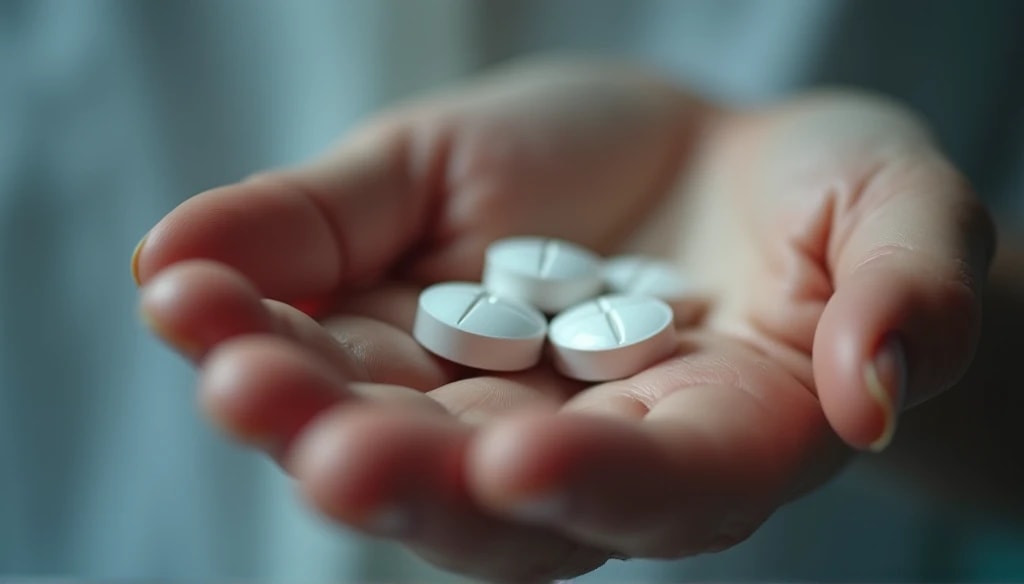
Ever catch yourself daydreaming about dodging the downsides of aging? You know—the creaky knees, the forgotten names, the creeping feeling that time’s slipping through your fingers? Well, Sam Altman, the brain behind ChatGPT, isn’t just dreaming about it—he’s doing something big. He’s dropped a whopping $180 million of his own money into Retro Biosciences, a startup that’s out to tack on 10 healthy years to your life. And here’s the kicker: they’re using AI to figure out how to pull it off.
This isn’t some run-of-the-mill biotech outfit. Retro Biosciences kicked off in 2021, planted firmly in San Francisco, and it’s got Altman’s bold style written all over it. That $180 million? It’s one of the fattest checks anyone’s ever cut for longevity research. But it’s not just about the money for Altman—he’s all in on this. The guy’s a health nut: he eats smart, stays active, and even takes metformin, a drug some swear might keep the clock from ticking too fast. For him, this is personal—a shot at rewriting what aging looks like.
Their mission is pretty straightforward, even if it sounds wild: give you an extra decade, and make sure it’s not just extra time on the couch. To do that, Retro is coming at it with a three-pronged approach to beating aging.
The Three-Pronged Approach to Beating Aging

Aging is complicated—it’s not one problem but a cascade of breakdowns in our biology. Retro Biosciences is tackling it from three distinct angles: cellular reprogramming, autophagy, and plasma-inspired therapies. Each sounds like something out of a futuristic lab (because, well, it is), but they’re rooted in real science. Here’s how they work.
1. Cellular Reprogramming: Turning Back the Clock on Cells
Picture your cells as tiny machines that, over time, start to wear out. Cellular reprogramming is like hitting a reset button, coaxing those machines to act young again. Scientists have identified proteins called Yamanaka factors that can rewind a cell’s biological clock. In mouse studies, this has led to astonishing results—older organs like hearts and brains showing signs of youth. It’s as if you could update your body’s software to an earlier version.
But there’s a catch: mess with cells too much, and you might accidentally trigger cancer. That’s where AI steps in. Retro is collaborating with OpenAI to build models that analyze mountains of data, pinpointing safe and effective reprogramming methods. Think of it as a super-smart guide, navigating a maze of possibilities to find the path with the fewest traps.
2. Autophagy: Cleaning Up the Cellular Junk
Autophagy is your body’s built-in janitorial service. It’s the process where cells sweep away damaged parts—like old proteins or worn-out organelles—to stay functional. As we age, this cleanup crew gets sluggish, leaving cells cluttered and inefficient. Boosting autophagy could keep them running smoothly for longer, like giving your car a tune-up to extend its mileage.
Retro is developing drugs to rev up this process, and AI is their ace in the hole. By sifting through countless compounds and their effects, AI helps identify the most promising ones in a fraction of the time traditional research would take. It’s like having a detective who can spot the tiniest clues in a sea of noise.
3. Plasma-Inspired Therapies: The Power of Young Blood?
This one might raise eyebrows—it sounds a bit like a vampire tale. Research has shown that infusing old mice with plasma from young ones can rejuvenate their tissues. But Retro isn’t about blood transfusions. They’re hunting for the specific molecules or proteins in young plasma that drive this effect, aiming to bottle that magic into targeted therapies.
AI is crucial here, too, analyzing the complex stew of plasma to isolate the key ingredients. Imagine searching for a single perfect spice in a giant pot of soup—AI is the tool that makes it possible.
AI: The Secret Weapon
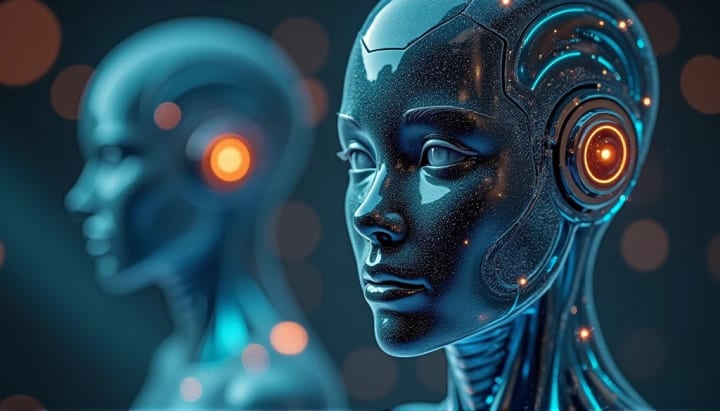
Drug development is a slog. It typically takes decades and billions of dollars, with most efforts crashing and burning along the way. AI flips that script. By crunching vast datasets—think molecular structures, genetic profiles, and clinical outcomes—it can predict which ideas are worth chasing and which are doomed to fail. At Retro, AI isn’t a sidekick; it’s the engine driving their work.
Take their recent breakthroughs: Retro partnered with OpenAI to train a model that turns ordinary cells into stem cells—versatile building blocks that could repair tissues or grow new organs. AI designed the proteins to make this happen safely, cutting through years of trial and error. It’s a glimpse of how Retro plans to outpace the competition.
Clinical Trials on the Horizon
Talk is cheap in biotech—what matters is results. Retro is putting its money where its mouth is, preparing to launch clinical trials for three drugs. One targets Alzheimer’s, a devastating disease tied closely to aging, and trials could start as early as this year. That’s a bold timeline, but it reflects their confidence—and their haste.
Their approach isn’t just about treating one illness, though. By attacking aging at its roots, Retro hopes to fend off a whole host of age-related conditions. Imagine a single therapy that keeps your brain, heart, and muscles youthful, rewriting the rules of growing old.
Challenges and Ethical Questions
Let’s not sugarcoat it: anti-aging research is a minefield. Cellular reprogramming carries cancer risks. Autophagy isn’t a cure-all. Plasma therapies stir debate. And history is littered with overhyped flops in this field. Retro’s optimism is tempered by these realities—they’re racing against biology’s complexity as much as against time.
Then there’s the ethical side. If these treatments work, they’ll likely cost a fortune, at least initially. Will only the wealthy get to live longer, healthier lives? And should we even extend lifespan when healthcare systems are already strained? Some argue we’d be better off improving quality of life, not quantity. These questions don’t have easy answers, but Retro’s work is thrusting them into the spotlight.
The Bigger Picture: A Crowded Field
Retro isn’t alone in this quest. Tech titans are piling into anti-aging research. Jeff Bezos poured $3 billion into Altos Labs, while Peter Thiel backed Unity Biotechnology and the Methuselah Foundation. Silicon Valley sees aging as the next frontier to conquer, and the stakes are sky-high.
What makes Retro stand out? Speed and AI. CEO Joe Betts-LaCroix has vowed to “move fast” and deliver a drug “in the 2020s.” With AI slashing discovery timelines, that’s not just bravado—it’s plausible.
Why It Matters
If Retro pulls this off, the ripple effects would be seismic. Ten extra healthy years could transform how we live, work, and age. It could lighten the load of diseases like Alzheimer’s, which drain economies and break hearts. Even partial wins—a new Alzheimer’s treatment, say—would be monumental. And beyond aging, AI-driven drug discovery could revolutionize medicine as a whole.
The Road Ahead

Retro is gearing up for a $1 billion Series A funding round, with Altman expected to double down. That kind of cash buys freedom—to experiment, to fail, to push boundaries. But success isn’t guaranteed. Aging is a tough nut to crack, and setbacks are part of the game.
Still, with AI as their wingman, Retro is well-positioned to make waves. They’re not promising eternal youth—just a longer, healthier life stretch. In a world where aging often means loss, that’s a prize worth chasing.
Will we all thrive at 100, thanks to a San Francisco lab and some clever code? Time will tell. For now, Retro Biosciences is a story of bold bets, brilliant minds, and a shot at rewriting our future—one youthful cell at a time.
I WARN YOU! If you don't leave a comment, I will tell my friend Sam Altman not to give you the pill.
About the Creator
Francisco Navarro
A passionate reader with a deep love for science and technology. I am captivated by the intricate mechanisms of the natural world and the endless possibilities that technological advancements offer.
Keep reading
More stories from Francisco Navarro and writers in FYI and other communities.
Asteroid 2024 YR4
You ever just sit back and think about how wild space is? I mean, one day you’re sipping coffee, scrolling through your phone, and the next, you hear about an asteroid like 2024 YR4 that might—emphasis on might—decide to drop in on Earth. It’s the kind of thing that makes you look up at the night sky a little differently, you know? This space rock’s been making waves since it was spotted late last year, and I’ve got to admit, it’s got my curiosity piqued. What’s the deal with it? How likely is it to hit us? And if it does, what could we do about it? Let’s unpack this cosmic curveball together—I promise it’ll be a fun ride, even if it’s a little spooky.
By Francisco Navarroabout a year ago in FYI
A Planetary Alignment will coincide with Mercury Retrograde
Double phenomena in the heavens Some people say in jest that the planets have aligned in their favor when life works the way they desire. Were you aware that there are seasons when things do line up in the heavens? There will be a planetary alignment AKA a planet parade, on February 28, 2026.
By Cheryl E Preston16 days ago in FYI
How NSN Systems Improve Interoperability Among Allied Forces
Modern military operations increasingly rely on cooperation between allied nations. Joint missions, multinational exercises, and coalition defense operations require seamless coordination not only at the strategic level but also within logistics and supply chain systems. One of the most important tools that supports this cooperation is the National Stock Number (NSN) system. Developed to standardize the identification and classification of military components, the NSN system enables allied forces to share equipment resources, maintain operational readiness, and streamline procurement processes.
By Beckett Dowhanabout 19 hours ago in FYI
Top tipple tricks
Been thinking a lot about drinking, lately. Not least because of a recent episode of over-indulgence and the inevitable after effects. Some readers may recall the earlier articles I wrote about beating the booze. Here I set out an experiment in techniques for cutting down on my alcohol intake. The experiment was successful, the techniques worked, and I have armed myself with an arsenal of weapons in the war against the demon drink. I have yet to fire the first round however. It's all a question of timing (perhaps procrastination).
By Raymond G. Taylor5 days ago in Psyche




Comments
There are no comments for this story
Be the first to respond and start the conversation.