
YouTube’s New Monetization Policy: What Does It Mean for Creators?
YouTube Tightens Monetization Rules: What the July 2025 Update Means for Small Creators
YouTube, the world’s largest video streaming platform, has introduced a major update to its monetization policy under the YouTube Partner Program (YPP). The new rules, which came into effect on July 15, 2025, focus primarily on ensuring the platform is filled with original, high-quality, and authentic content—and not repetitively generated or inauthentic videos.
This move is expected to directly impact creators who rely on AI-generated, recycled, or mass-produced content for monetization. Here’s a detailed breakdown of the key updates and their implications.
---
✅ What’s New in YouTube’s Policy?
The most notable change is a terminology update. YouTube has renamed the category previously referred to as "Reused Content" to a more descriptive term: "Inauthentic Content."
This isn't just a name change—it reflects a stronger emphasis on content quality. YouTube now defines "inauthentic content" as videos that are:
Mass-produced using minimal effort,
Heavily repetitive, with little variation in script or visuals,
Or generated through automation or templates without meaningful human input.
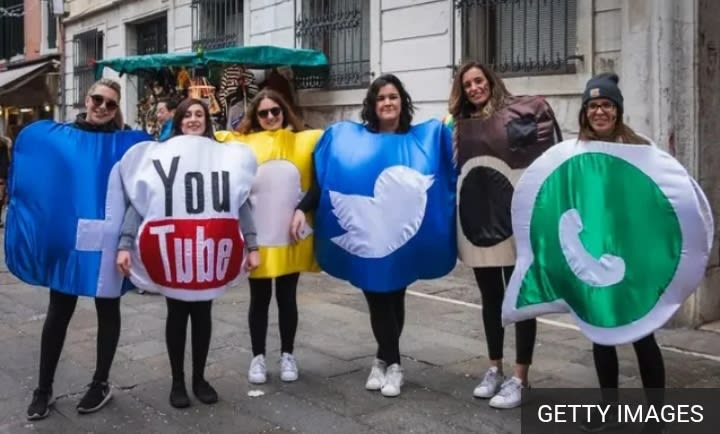
YouTube says such content was already ineligible for monetization, but this update is meant to eliminate ambiguity and ensure only original creators get paid for their work.
---
📌 Why Did YouTube Make This Change?
According to Rene Ritchie, YouTube’s Head of Creator Liaison, this policy update addresses a growing issue: creators uploading low-effort content that lacks creativity or originality.
> "Content that looks like spam, is repetitively produced, or offers no new value to the audience doesn’t qualify for monetization,” Ritchie explained.
"YouTube’s Partner Program promotes creators who offer authentic, valuable, and engaging content."
The aim is to protect the integrity of the platform and encourage creativity. By discouraging cheap, automated uploads, YouTube hopes to reward creators who truly put effort into their content.
---
🤖 What About AI-Generated Content?
With the rise of AI tools, many creators are asking: Is AI-generated content now banned?
The short answer is No, but with important conditions.
YouTube is not against the use of AI. In fact, the platform encourages creators to use AI to enhance their content—for example, by:
Using AI auto-dubbing tools to translate content,
Applying beauty filters or improving audio quality,
Generating background scenes for storytelling.
However, when AI is used to create synthetic visuals or deepfakes, such as showing a missile attack on a city or events that never happened, creators must disclose that the content was generated using AI.
If a video is misleading or manipulative due to AI, and the creator fails to clarify this, the content will be flagged and monetization may be removed.

---
🚫 What Kind of Content is Now Considered “Inauthentic”?
Examples of inauthentic or non-monetizable content include:
Channels uploading VO (voiceover)-based videos with minor changes in script,
Channels that post repetitive slideshows with the same background music or voice,
Reposting existing content with little to no commentary or added value.
YouTube explains that commentary videos, reaction content, or educational reviews can still qualify for monetization—as long as they include originality and creative transformation.
In contrast, simply stitching clips together or downloading videos from other platforms and reposting them will not meet the criteria.
---
📊 Monetization Eligibility – What Are the Rules?
To join the YouTube Partner Program (YPP) and monetize your content, creators must:
1. Gain at least 1,000 subscribers, and
2. Fulfill either of the following within 12 months:
Achieve 4,000 valid public watch hours, or
Get 10 million valid Shorts views in the last 90 days.
Once these thresholds are met, creators can apply for YPP and link their Google AdSense account to begin earning revenue from ads, channel memberships, and more.
---
🔎 Is Reused or Edited Content Still Allowed?
Yes—but with limits.
YouTube clarified that the existing policy on reused content has not been removed. It still applies, especially to:
News commentary,
Clip compilations with transformation,
Educational remixes, and
Original reactions.
In these cases, creators must clearly add their own voice, perspective, or learning value to the reused content. Simply repackaging others’ work is not enough.
---
📣 What Should You Do as a Creator?
If you’re a YouTuber—especially a beginner—it’s important to:
✅ Create original content that reflects your own ideas, voice, and editing.
✅ Use AI wisely, and disclose it if the content is fully AI-generated.
✅ Avoid uploading bulk or template-based videos without context or creativity.
✅ Don’t rely on just stock footage + voiceovers. Add depth, commentary, humor, education, or emotion.
By doing so, you’ll not only meet YouTube’s monetization guidelines—you’ll also build a loyal audience and earn YouTube’s long-term trust.
---
🔐 Final Thoughts
YouTube’s updated monetization policy reflects the platform’s growing effort to maintain authenticity, creativity, and trustworthiness. With the rise of AI and automated content, these new guidelines help protect real creators and ensure the content remains valuable to viewers.
If you’re an aspiring content creator in 2025, this is your signal to think smart, stay honest, and be original. Whether you make vlogs, tutorials, animations, or news-based content, what matters most is that your voice—not AI or templates—is the one leading the narrative.
About the Creator
Keep reading
More stories from Ikram Ullah and writers in FYI and other communities.
Preventing Prediabetes from Progressing to Type 2 Diabetes: A Complete Guide
Note: This report is about prediabetes, which is the stage that comes before type 2 diabetes. It includes information and advice about rapid weight loss, which may be distressing for some readers. Therefore, please follow this guidance only under the supervision and advice of a doctor or medical expert.
By Ikram Ullah6 months ago in FYI
The Pentagon’s Secret Videos: Are UFOs Finally “Official”?
For decades, the idea of Unidentified Flying Objects (UFOs) was relegated to the fringes of late-night talk shows and sci-fi conventions. Believers suspected the military was hiding the truth, while the "powers that be" remained silent.
By Areeba Umair6 days ago in FYI



Comments
There are no comments for this story
Be the first to respond and start the conversation.