
Why Xenopus Oocytes are an Ideal Model for Molecular Biology Studies
This blog delves into the reasons why Xenopus oocytes are indispensable to molecular biology and highlights their contributions to research in gene expression, protein synthesis, and membrane physiology.
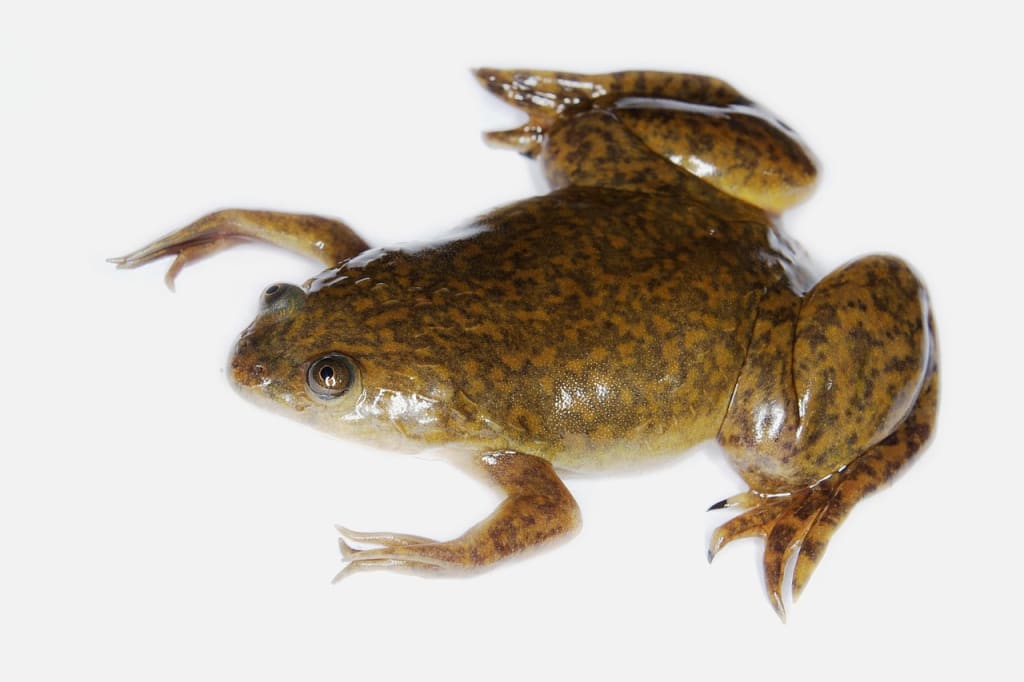
In molecular biology, the choice of model organism can make or break an experimental approach. Scientists often look to organisms with unique and favorable characteristics to gain insights into cellular mechanisms, gene function, and protein behavior. Among these organisms, Xenopus laevis, or the African clawed frog, has emerged as a powerful model, primarily due to the remarkable features of its oocytes (egg cells). Known for their large size, accessibility, and unique biochemical properties, Xenopus oocytes serve as a versatile and effective tool for studying processes in molecular biology. Over the past several decades, they have contributed to major breakthroughs, including identifying ion channels, investigating gene expression patterns, and exploring cellular mechanisms.
Unique Biological Characteristics of Xenopus Oocytes
The unique cellular and molecular features of Xenopus oocytes set them apart as ideal model systems. Here are some of the most compelling characteristics that make them valuable for molecular biology research:
• Large Cell Size: Xenopus oocytes are impressively large, measuring about 1-1.5 mm in diameter. This size allows scientists to manually handle and inject them with RNA, DNA, or proteins with relative ease. The size of these cells also makes it possible to observe cellular processes under a microscope in real time, allowing for detailed studies of molecular dynamics within the cell.
• High Synthetic Capacity: The Xenopus oocyte is highly efficient at synthesizing proteins and RNA, even from foreign genetic material. When scientists inject RNA or DNA into the oocyte, it utilizes its own machinery to transcribe and translate these nucleic acids into proteins. This property makes it a powerful system for studying protein function and gene expression.
• Unique Cellular Structure: The oocyte’s cellular architecture is highly organized, with well-defined organelles and spatially separated compartments. This organization makes it possible to study cellular localization, molecular interactions, and the movement of macromolecules within the cell.
Applications of Xenopus Oocytes in Molecular Biology
Due to their distinct characteristics, Xenopus oocytes have been instrumental in several key areas of molecular biology, including gene expression studies, protein synthesis, and developmental biology.
• Gene Expression Studies: Xenopus oocytes are widely used to study gene expression and gene function. By injecting synthetic RNA or mRNA into the oocyte, researchers can observe the effects of gene expression within the cell, analyze protein function, and determine the downstream effects of specific genes. This method has been particularly useful for identifying the functions of newly discovered genes and investigating how certain genes influence cellular pathways.
• Protein Synthesis and Function: Another powerful application of Xenopus oocytes is the ability to synthesize and study foreign proteins. After RNA injection, the oocytes translate it into functional proteins, allowing scientists to study their structure, behavior, and interactions with other molecules. This feature is crucial for research on proteins that cannot be easily studied in other model systems, such as complex membrane proteins or human proteins that require specific cellular environments to function properly.
• Membrane Physiology and Electrophysiology: Xenopus oocytes have become an invaluable model for electrophysiological studies, particularly those focusing on ion channels, transporters, and receptors. Using techniques like two-electrode voltage clamp, researchers can measure the electrical properties of the oocyte membrane and study how ion channels respond to different stimuli. These studies have led to breakthroughs in our understanding of the nervous system, cardiac function, and other physiological processes that depend on ion transport.
• Developmental Biology: The study of embryonic development relies heavily on Xenopus due to the similarity between its cellular processes and those in higher vertebrates. Researchers inject specific factors or genes into the oocyte to study their effects on embryonic development. By monitoring changes in gene expression or cellular morphology, scientists can gain insights into fundamental questions about developmental biology, such as how cells differentiate and how tissues form.
Advantages of Using Xenopus Oocytes as Model Organisms
Several unique advantages make Xenopus oocytes a model of choice for molecular biologists:
Accessibility and Cost-Effectiveness: Xenopus oocytes are readily accessible and cost-effective, making them a practical choice for large-scale studies. The frogs are easy to maintain and breed in laboratory conditions, and they can produce large numbers of oocytes that can be harvested regularly for research purposes.
Ease of Genetic Manipulation: Injecting RNA or DNA into Xenopus oocytes is relatively straightforward, allowing researchers to manipulate the genetic content of the cells easily. This simplicity allows for precise control over gene expression, making Xenopus oocytes a suitable system for gene function studies and genetic screening.
High Reproducibility and Reliability: Experimental outcomes using Xenopus oocytes are highly reproducible. Their controlled environment within the lab setting leads to predictable responses to manipulations, allowing researchers to obtain consistent results across experiments. This reliability has made them a cornerstone in studies requiring precise measurements, such as ion channel studies and protein synthesis assays.
Challenges and Limitations
While Xenopus oocytes are immensely valuable for molecular biology research, they are not without limitations:
Evolutionary Distance from Humans
Xenopus oocytes, despite their similarities to mammalian cells, are evolutionarily distant from human cells. This can lead to limitations in studies focusing on human-specific genes, proteins, or cellular processes. However, advances in comparative studies help scientists overcome these limitations by contextualizing findings within a broader biological framework.
Limited Long-Term Culture Capability
Oocytes have limited viability in culture over long periods, which can restrict the duration of some experiments. Although scientists have developed methods to extend the lifespan of oocytes in vitro, this remains a challenge for studies requiring prolonged observation or analysis.
Differences in Cellular Mechanisms
Some cellular pathways in Xenopus oocytes differ from those in human cells, which can affect the generalizability of findings. Researchers must carefully interpret data derived from Xenopus studies and consider supplementary research in mammalian systems when studying human-specific applications.
Future Perspectives in Xenopus Oocyte Research
Despite these challenges, the future of Xenopus oocyte research is promising, with new technologies expanding their utility in molecular biology:
CRISPR-Cas9 and Gene Editing: The advent of CRISPR-Cas9 gene editing has enabled scientists to make precise genetic modifications in Xenopus, paving the way for more targeted studies of gene function. This breakthrough allows for the deletion, insertion, or modification of genes in oocytes, expanding the range of experimental possibilities.
Single-Cell RNA Sequencing: Single-cell RNA sequencing is becoming an invaluable tool in cellular research. Applied to Xenopus oocytes, this technology enables researchers to map gene expression profiles within the oocyte, shedding light on transcriptional dynamics and cellular diversity. This approach could yield new insights into how oocytes develop, differentiate, and interact with external stimuli.
Drug Discovery and Toxicology Testing: With their efficient protein synthesis and expression of human-like ion channels, Xenopus oocytes offer a promising model for drug discovery and toxicology. By exposing oocytes to drug compounds or toxic agents, scientists can evaluate cellular responses, target interactions, and toxicity levels, making Xenopus a valuable tool in early-stage drug testing.
Conclusion
The Xenopus oocyte is a unique and highly versatile model system that has transformed molecular biology research. From the study of gene expression to the investigation of protein synthesis and membrane physiology, Xenopus oocytes provide a robust, reproducible, and cost-effective system for a range of experimental applications. Their large cell size, efficient protein synthesis capability, and accessibility make them an invaluable tool for understanding cellular mechanisms, analyzing gene function, and exploring protein interactions.
About the Creator
Keep reading
More stories from writers in FYI and other communities.
A Failed Artist, A Disillusioned Poet, An Underpaid Game Show Host
I took my son and niece to Gori, a small town in Georgia where Joseph Stalin was born. They talked me into visiting the Stalin's Museum, the largest in the post-Soviet space. I had resisted going there because I just can't stand the monster and know enough about him, or so I thought.
By Lana V Lynx19 days ago in FYI
On National Cheese Lover’s Day, Don’t Feel Bleu—Celebrate the Curds That Bind Us
January 20th rolls around every year with a simple but powerful message: don’t feel bleu, throw a feta, and absolutely act capriciously if cheese is involved. National Cheese Lover’s Day is the perfect excuse to lean into one of humanity’s oldest and most beloved foods. Whether you’re reaching for cheddar, asiago, fontina, or something that smells questionable but tastes incredible, this is a gouda day to celebrate it all.
By Lawrence Lease6 days ago in FYI
Thoughts on Vocal and the way the world is
"Death cannot stop true love, only delay it." – Wesley in The Princess Bride. I decided to come back to Vocal on a very cold and dark night at the end of December. I had been, and still am, convalescing from a horrible staph infection that had gone misdiagnosed for months. This, paired with the increasing challenges of being healthy, making the best choices for my co-parented child, being a wife, and being a director at a new job, was a lot to manage.
By Jazzy 7 days ago in Confessions


Comments
There are no comments for this story
Be the first to respond and start the conversation.