
Why Metal Recycling is Crucial for a Greener Planet?
Metal recycling offers countless benefits, and not just for the environment.
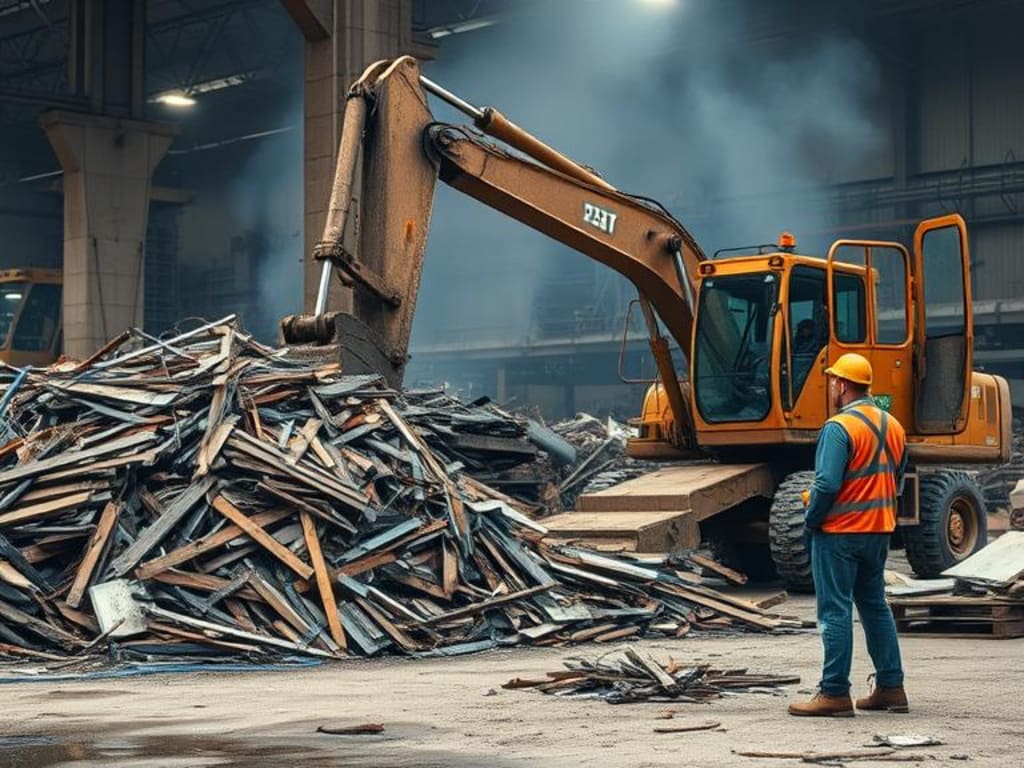
We all toss cans into recycling bins, but how much do you actually know about recycling—especially when it comes to metal? Sure, paper and plastic get most of the attention, but what about that soda can or old bike frame? Metal recycling is a hidden hero in the fight for sustainability, yet it’s often overlooked. Let’s dig into why it matters, how it works, and what you can do to make a difference.
From Trash to Treasure: How Metal Recycling Works
Picture this: the aluminum can you drank from at lunch could become part of a car, a new appliance, or even a airplane component in a matter of months. But how does that happen?
1. Collection & Sorting: It starts with you. Tossing metal into the right bin matters. From curbside pickups to scrap yards, metals are gathered and sorted by type (steel, aluminum, copper) using magnets, sensors, or even manual labor.
2. Processing: Metals are shredded, crushed, or melted down. Aluminum cans, for example, are melted into sheets for new products. Steel might be reforged into beams.
3. Rebirth: The melted metal is molded into raw materials, ready to be shipped to manufacturers. That old bicycle? It could end up as part of a bridge or a new smartphone.
Why go through all this trouble? Mining new metal is energy-guzzling. Recycling aluminum saves 95% of the energy needed to make it from raw ore. Plus, it keeps tons of waste out of landfills. Win-win.
Why Metal Recycling is a Game-Changer
Let’s cut to the chase—why should you care?
• Energy Savings: Recycling steel saves enough energy to power 18 million homes for a year. Imagine if we recycled all our metal!
• Jobs, Jobs, Jobs: The recycling industry employs over 500,000 people in the U.S. alone. Supporting recycling means supporting communities.
• Less Mining: Mining devastates ecosystems. Recycling reduces the need for digging up forests and mountains.
• Endless Life: Metals can be recycled infinitely without losing quality. That soda can? It’s been around for decades, just in different forms.
But it’s not all sunshine and rainbows.
The Not-So-Shiny Side of Metal Recycling
Yes, there are hurdles. For starters:
• Contamination: A single dirty can or non-recyclable item in the mix can spoil a whole batch.
• Costs: Some metals aren’t worth recycling economically. Transporting heavy scrap long distances can cancel out environmental benefits.
• Chemical Risks: Melting metals can release toxins if not handled properly.
These challenges aren’t dealbreakers—they’re calls to innovate. Better sorting tech, local recycling programs, and stricter regulations can help.
Busting Myths: What You’ve Been Told vs. Reality
Let’s clear the air:
• Myth: “All metals are recyclable.”
Truth: While most are, some (like radioactive metals or certain alloys) can’t be processed safely. Check local guidelines.
• Myth: “Recycling uses more energy than it saves.”
Truth: For metals like aluminum and steel, recycling is far more efficient than mining.
• Myth: “I don’t generate enough metal waste to matter.”
Truth: The average person throws away 200+ lbs of metal yearly. Your actions add up!
Your Move: How to Step Up
Whether you’re a student, parent, or CEO, here’s how to make an impact:
1. Sort Smartly: Rinse cans, separate metals, and avoid tossing non-recyclables (like plastic caps) into the bin.
2. Support Scrap Programs: Many cities pay for scrap metal. Turn old appliances, wiring, or car parts into cash.
3. Buy Recycled: Choose products made from recycled metals. Your smartphone? Likely contains recycled aluminum.
4. Spread the Word: Teach kids, coworkers, or neighbors why metal recycling matters.
Final Thoughts
Metal recycling isn’t just about bins and trucks—it’s about rethinking waste. Every can, nail, or old grill you recycle cuts energy use, protects nature, and fuels a circular economy. Sure, the system isn’t perfect, but progress rarely is.
So next time you hold a soda can, remember: you’re holding a piece of the future. What will you do with it?
About the Creator
Keep reading
More stories from Kiara Waylen and writers in FYI and other communities.
Enjoy the luxury of heated water: Know Why Is Rinnai's Hot Water Service the Best You Can Get?
Running hot water is a necessity for many people, and for others, it is a luxury. It doesn't matter which category you fall into, and most washrooms are now fitted with hot water systems that can provide them with the best temperature water they seek. Rinnai is the name they put their faith in as it is one of the most reliable companies for purchasing hot water systems. What makes them so good is that the devices are unique and have the most satisfactory service. Rinnai Hot Water Service is so efficient and trustworthy that it has become a household name. The after-purchase service of Rinnai is undeniably good and is preferred by many in Australia.
By Kiara Waylen4 years ago in Lifehack
What Makes an Electronic Component Suitable for Aerospace Applications
Electronic components play a central role in modern aerospace systems. From flight control computers and radar systems to communication modules and cabin management systems, aircraft depend heavily on reliable electronics. However, not every commercial-grade component is suitable for aerospace applications. The aviation environment presents extreme operational challenges that require specialized design, rigorous testing, and strict regulatory compliance.
By Beckett Dowhan8 days ago in FYI
Who is your "Person"?
It's important to recognize that you cannot go through life as easily on your own. My name is Elizabeth and I'm a survivor of child abuse and horrific trauma. Healing from trauma is not a quick fix and recognizing that it will take time, is part of the struggle.
By Elizabeth Woods4 days ago in Psyche


Comments
There are no comments for this story
Be the first to respond and start the conversation.