
Why inexpensive Bus Travel is disappearing in America
American bus are rare nowadays.why?
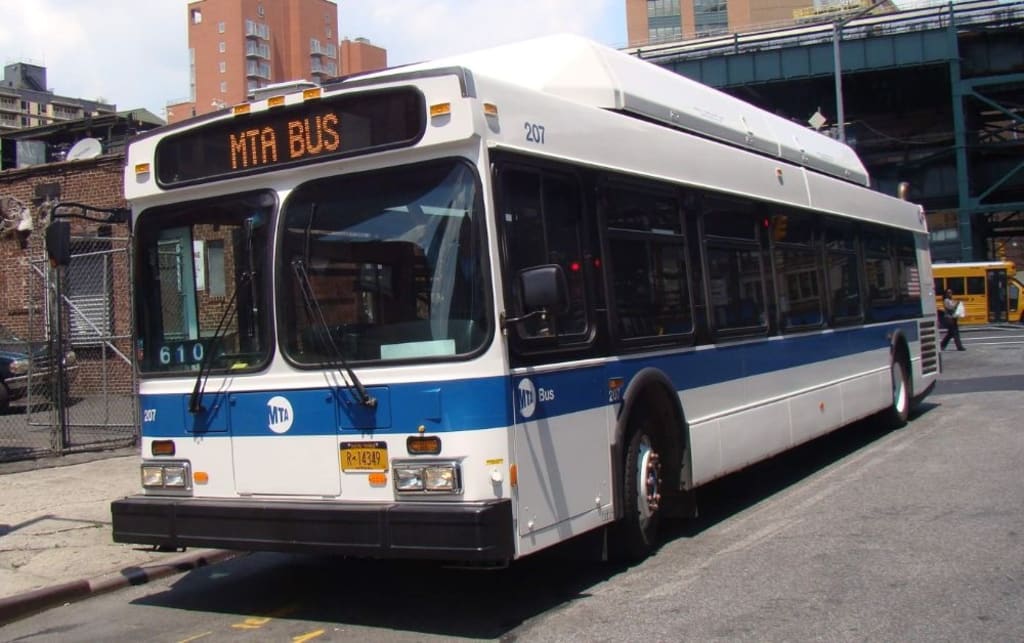
If you attended college in the past 20 years, you might remember MegaBus – the large, blue double-decker bus with its bright yellow mascot on the side. Perhaps it was your choice for a fun weekend trip with friends, though there were times when you were likely stuck in traffic or dealing with a breakdown. Despite its shortcomings, MegaBus was an affordable way to travel for many years. Now, however, it faces serious challenges as its parent company, Coach USA, has filed for bankruptcy. As a result, MegaBus is transferring some of its routes to other operators and discontinuing others entirely.
Emily Stewart from Business Insider explored what has happened to MegaBus and whether the once-popular service can survive. These buses have played an important role in providing affordable transport, especially for people who can’t afford train or plane tickets. Stagecoach Group, a company based in the UK, first introduced MegaBus in 2003, offering seats for just one pound, which inspired the creation of their mascot, Sid the Quid. The service expanded to the U.S. in 2006 and was initially a hit. MegaBus offered features like power outlets and Wi-Fi (though they didn’t always work), and customers could buy tickets online – a novel concept at the time. Plus, the low price of $1 tickets (for a lucky few) made it a more appealing option than Greyhound.
Millennials quickly embraced MegaBus, which, along with Greyhound, became one of the two major intercity bus operators in the U.S. But by the mid-2010s, things started to change. As gas prices fell in 2015 and 2016, driving and flying became more affordable, drawing customers away from buses. Additionally, the German-based bus company FlixBus entered the U.S. market in 2018, increasing competition. While MegaBus once had an edge with its Wi-Fi and power outlets, these features soon became standard across competitors. Safety concerns also arose following several high-profile accidents.
In 2019, Stagecoach sold Coach USA to Variant Equity Advisors for $271.50 million. After the sale, Variant did what many private equity firms do – they loaded the company with debt. Then, when the pandemic hit in 2020, the travel industry came to a standstill, making it impossible for Coach USA to service its debts. By mid-2024, Coach USA filed for bankruptcy, and the struggles of MegaBus mirrored the wider challenges facing the intercity bus industry.
The bus industry has yet to fully recover from the pandemic. Before COVID-19, there were approximately 3,000 licensed bus and motor coach companies. Now, that number has been halved. Unlike the airline industry, buses didn’t receive the same level of government assistance during the pandemic. Additionally, rising operational costs, a shortage of drivers and mechanics, and difficulties in securing bus terminals have made it even harder for the industry to bounce back. Some terminals have faced pushback from local authorities due to their negative reputations, while others, like 33 Greyhound terminals, have been sold to real estate developers with other plans for the space.
Financial interests don’t seem to prioritize the needs of passengers, making it more difficult for the public to access convenient bus services. As a result, the intercity bus industry faces many obstacles. While it’s still possible to catch a bus from Boston to New York, it might not be a MegaBus anymore. Instead, you might end up on a Peter Pan, Greyhound, or FlixBus, with fewer and potentially more expensive options than before.
Finding a solution to these issues isn’t easy. Some have suggested lobbying for more support from lawmakers, emphasizing the importance of buses, especially for rural and underserved areas. Ultimately, travel in the U.S. may never return to what it once was, and the era of $1 MegaBus seats and Sid the Quid might be coming to an end.
About the Creator
Keep reading
More stories from writers in FYI and other communities.
A Failed Artist, A Disillusioned Poet, An Underpaid Game Show Host
I took my son and niece to Gori, a small town in Georgia where Joseph Stalin was born. They talked me into visiting the Stalin's Museum, the largest in the post-Soviet space. I had resisted going there because I just can't stand the monster and know enough about him, or so I thought.
By Lana V Lynx28 days ago in FYI
Top Luxury Travel Tours for Private, Invite-Only Experiences Around the World
Luxury travel is no longer defined solely by five-star hotels or first-class flights. Over the past few years, the definition has quietly shifted. In conversations with frequent travelers, travel planners, and industry insiders, one theme comes up again and again: true luxury is about access, not excess.
By All 4 Season4 days ago in FYI
Time to change your life.
Is it even possible for you to change your life? A lot of people, more than there should be, are unhappy with their lives. But what are they doing about it? Usually nothing. People talk about how shitty their lives are and want change, but are they not taking the actions to change?
By Jen Phillips2 days ago in Humans
Not Just For Clean Up: A History Of The MCU's Department of Damage Control
Initially an organisation that seemed to exist to help the heroes of the Marvel Cinematic Universe, from Phase Four onwards, the Department of Damage Control has shifted into a more antagonistic role. Most recently seen in the Wonder Man series, the current incarnation of Damage Control seems to target superpowered individuals, regardless of whether that person poses an active or intentional threat.
By Kristy Andersona day ago in Geeks


Comments
There are no comments for this story
Be the first to respond and start the conversation.