
Why does a bee die after it stings you?
What exactly happens to a bee when it stings you? Why do some species of bees die while others survive?

In the bustling realm of the natural world, the tiny but mighty bee stands as a symbol of industriousness and unity. However, beneath its seemingly harmless exterior lies a defense mechanism that carries a heavy price - the ultimate sacrifice of its life. Why does a bee die after it stings you? This enigma of nature's strategy unveils a captivating tale of evolution, anatomy, and survival.
The Anatomy of a Sting: A Double-Edged Sword
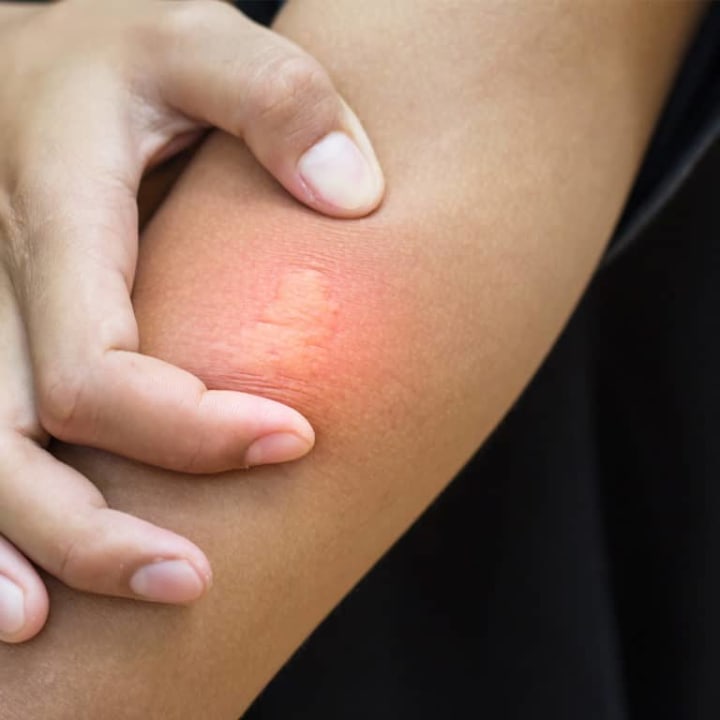
The bee's formidable weapon is its stinger, a modified ovipositor that serves as both an offensive and defensive tool. Bees primarily use their stingers to protect their hives from predators or perceived threats. When a bee perceives danger, it thrusts its stinger into the assailant's skin, releasing a potent venom. This venom contains a blend of biologically active compounds that causes pain, inflammation, and, in some cases, severe allergic reactions in humans.
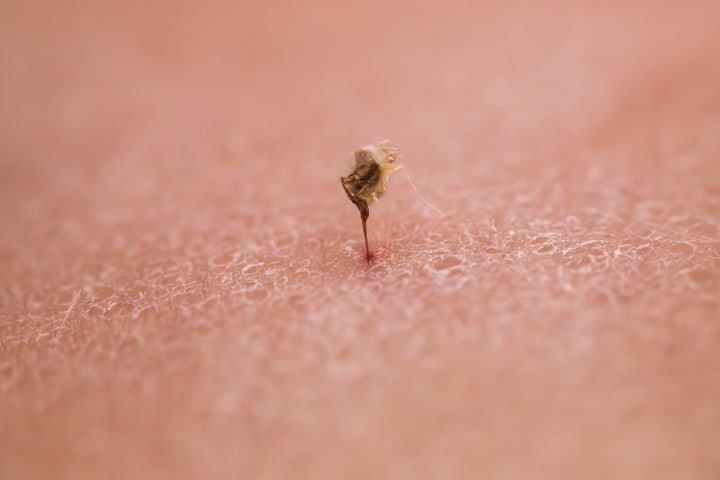
Yet, there's a twist in this tale: a bee's stinger is barbed. Once it penetrates the skin, the barbs anchor it in place, preventing easy withdrawal. In the process of trying to escape, the stinger becomes detached from the bee's abdomen, along with the venom sac and other vital tissues. For honeybees, this rupture marks the beginning of a one-way journey towards certain death.
The Bitter Evolutionary Trade-off
Understanding why bees evolved such a self-destructive mechanism requires a deep dive into evolutionary biology. Bees, particularly the highly social honeybees, function as colonies where each individual bee is merely a component of a larger organism. From an evolutionary perspective, this leads to a phenomenon known as "kin selection," where individuals within a colony prioritize the survival of their close relatives, often at the expense of their own lives.
For a honeybee colony, sacrificing a few worker bees during a defense operation might be a calculated trade-off. The loss of an individual bee, which is sterile and cannot reproduce, might not significantly impact the colony's gene pool. On the other hand, protecting the hive and its reproductive members, such as the queen and drones, is crucial for the colony's survival and propagation.
The Sting's Aftermath: A Bee's Fatal Wound
Once a bee's stinger is torn away, it leaves behind not only the venom sac but also part of its digestive tract, muscles, and nerves. This traumatic injury is a death sentence for the bee. In mere minutes, the bee's body undergoes a series of cascading events, leading to its demise.
First, the detachment of the abdomen causes a breach in the bee's internal systems. The venom sac continues to pump venom into the wound, even though the bee is no longer alive to control the process. This leads to an increased injection of venom into the victim and intensifies the pain and inflammation. Simultaneously, the severed muscles and nerves make it impossible for the bee to perform essential functions like eating and flying.
Moreover, the wound's exposure to air accelerates the bee's dehydration, causing further distress. In essence, the bee faces a combination of physiological shocks that culminate in a rapid breakdown of its bodily functions.
A Final Bow: Nature's Sacrificial Symphony
The bee's stinging behavior is a remarkable example of how evolution can shape both the individual's actions and the collective survival of a species. The bee's self-sacrifice serves as a reminder of the intricate interplay between individual life and the greater good within the framework of a highly organized society.
In the grand tapestry of life, the bee's sting is a symphony of survival strategies, adaptation, and selflessness. From the barbed stinger to the evolutionary calculus of kin selection, every facet of this phenomenon has woven together to create a captivating narrative of nature's complexity. So, the next time a bee ventures too close for comfort, remember the story behind its sting - a story of sacrifice written in the ancient ink of evolution.
About the Creator
Keep reading
More stories from Leonard Lombre and writers in FYI and other communities.
Why Spicy Foods Make Your Mouth Hot?
The Spicy Sensation That Sets Your Taste Buds Alight Imagine taking a bite of a vibrant red chili pepper, or savoring a spoonful of a fiery curry that leaves you gasping for water. The thrill of consuming spicy foods has transcended cultural boundaries and culinary preferences, adding a zesty kick to countless dishes. Yet, amidst the pleasure of heat, a sensation of burning and intensity often ensues. Why do spicy foods have the power to make your mouth feel like it's caught in a wildfire? The answer lies within the intricate interplay of chemistry and perception, transforming culinary indulgence into a tantalizing adventure for the senses.
By Leonard Lombre2 years ago in FYI
A Failed Artist, A Disillusioned Poet, An Underpaid Game Show Host
I took my son and niece to Gori, a small town in Georgia where Joseph Stalin was born. They talked me into visiting the Stalin's Museum, the largest in the post-Soviet space. I had resisted going there because I just can't stand the monster and know enough about him, or so I thought.
By Lana V Lynx21 days ago in FYI
Vitrectomy Surgery Explained: When It’s Recommended and What Patients Should Expect
Vitrectomy surgery is a type of eye surgery that involves the removal of the vitreous gel from the eye. The vitreous is the clear, gel-like substance that fills the center of the eye and helps it maintain its shape. This surgery is primarily recommended to treat a variety of retinal problems, and it plays a vital role in restoring vision for patients with specific eye conditions.
By Franklin Norton5 days ago in FYI


Comments
There are no comments for this story
Be the first to respond and start the conversation.