
Why Spicy Foods Make Your Mouth Hot?
From tantalizing tandoori to sizzling hot wings, the allure of spicy foods is undeniable. But have you ever wondered why your mouth feels like it's on fire when you indulge? Prepare to unravel the science behind this blazing sensation that makes spicy cuisine an unforgettable adventure for your taste buds.

The Spicy Sensation That Sets Your Taste Buds Alight
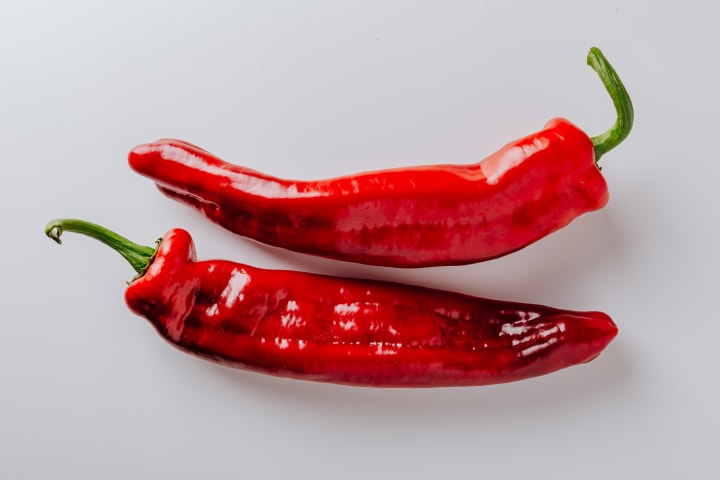
Imagine taking a bite of a vibrant red chili pepper, or savoring a spoonful of a fiery curry that leaves you gasping for water. The thrill of consuming spicy foods has transcended cultural boundaries and culinary preferences, adding a zesty kick to countless dishes. Yet, amidst the pleasure of heat, a sensation of burning and intensity often ensues. Why do spicy foods have the power to make your mouth feel like it's caught in a wildfire? The answer lies within the intricate interplay of chemistry and perception, transforming culinary indulgence into a tantalizing adventure for the senses.
Capsaicin: The Culprit Behind the Flames
At the heart of the fiery sensation lies capsaicin, a compound found abundantly in chili peppers. Capsaicin is no ordinary chemical; it's nature's way of packing a punch. When you bite into a spicy pepper, capsaicin comes into contact with your taste buds and sensory receptors, setting off a chain reaction that leads to the sensation of heat and burning.
Heat Receptors: Triggering the Fire Alarm
Our mouths are equipped with specialized receptors called TRPV1 receptors, often referred to as "heat receptors." These receptors are designed to respond to temperature changes in food. When capsaicin interacts with these receptors, it tricks them into perceiving heat, even though there's no actual increase in temperature. This is why consuming spicy foods can evoke a sensation of warmth or even intense heat.
Interestingly, the TRPV1 receptors aren't just located in your mouth. They're also present in other parts of the body, including your skin and digestive tract. This is why you might experience a warming sensation throughout your body when you consume particularly spicy foods.
The Body's Response: Fighting Fire with Endorphins
As capsaicin triggers a sensation of heat, your body kicks into action. Your brain receives the "heat" signal and interprets it as a potential threat. In response to this perceived danger, your body releases a flood of endorphins, which are natural painkillers. These endorphins act as a soothing balm, helping to dampen the sensation of burning and providing a sense of pleasure and euphoria.
This reaction is akin to your body's way of fighting fire with fire, counteracting the intense sensation of heat with a rush of natural pain relief. It's the same mechanism that gives rise to the phenomenon known as the "spice high," where consuming spicy foods can trigger feelings of excitement and even mild euphoria.

Variety in Tolerance: Nature and Nurture
Have you ever noticed that some people can handle spiciness with ease, while others start fanning their mouths at the mere sight of a chili pepper? The tolerance for spicy foods varies widely from person to person, and it's a blend of both genetic predisposition and acquired experience.
Some individuals naturally have more TRPV1 receptors, making them more sensitive to capsaicin and thus more prone to feeling the burn. Others build up a tolerance over time by repeatedly exposing themselves to spicy foods, which can actually desensitize the TRPV1 receptors to some extent.
Conclusion: The Sizzle of Spice
As you savor the invigorating kick of a spicy dish, remember that the sensation of heat is no mere illusion. It's a complex symphony of chemistry and biology, with capsaicin as the conductor and your taste buds as the eager audience. The heat receptors, the rush of endorphins, and the delightful variety in tolerance all contribute to the captivating experience of indulging in spicy foods.
So, the next time you're enjoying the thrill of a spicy culinary adventure, relish in the fact that every fiery bite is a dance between your senses and the compounds that ignite the flames. Whether you're seeking the endorphin rush or testing the limits of your taste buds, the world of spicy cuisine remains an exploration of heat, flavor, and the enigmatic interplay between food and sensation.
About the Creator
Keep reading
More stories from Leonard Lombre and writers in FYI and other communities.
Unveiling the Mystery: Why Pirates Wore Eyepatches
A Glimpse into the Pirate's World In the realm of maritime history, pirates stand as captivating figures of adventure and lawlessness, their stories filled with daring escapades and hidden treasures. Yet, amidst the cannons and cutlasses, one accessory stands out as a symbol of intrigue—the eyepatch. Why did pirates, those sea-roving rogues, wear eyepatches? Was it a fashion statement, a disguise, or something much more practical? As we delve into the historical depths, we uncover the reasons behind this iconic piece of pirate lore.
By Leonard Lombre2 years ago in FYI
A Failed Artist, A Disillusioned Poet, An Underpaid Game Show Host
I took my son and niece to Gori, a small town in Georgia where Joseph Stalin was born. They talked me into visiting the Stalin's Museum, the largest in the post-Soviet space. I had resisted going there because I just can't stand the monster and know enough about him, or so I thought.
By Lana V Lynx21 days ago in FYI
Inside Customer Service
By the end of your shift, you will have smiled through someone’s anger, apologized for things you didn’t do, and wondered why respect has become optional. You will have listened to complaints that aren’t yours, taken responsibility for mistakes you didn’t make, and kept calm when bring treated like you don’t matter. This is the reality of working in customer service.
By Blaire Havenabout 23 hours ago in FYI




Comments
There are no comments for this story
Be the first to respond and start the conversation.