
Why Bookkeepers Are More Valuable Than Accountants (And When You Really Need One)
why bookkeepers often provide more day-to-day value than accountants

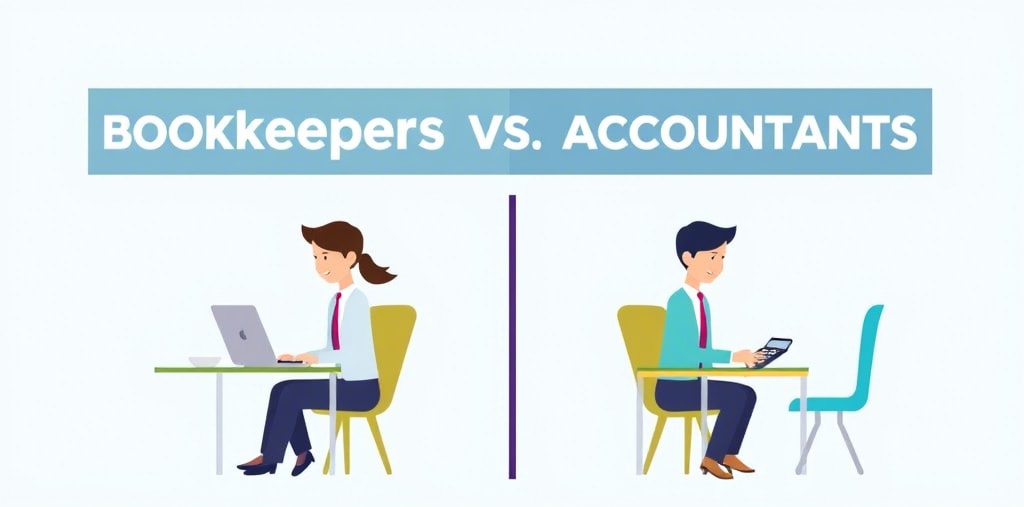
When most small business owners think about financial management, they immediately turn to accountants. After all, tax time is stressful, and compliance is critical. But what many don’t realize is that the real power behind consistent financial clarity, control, and confidence lies not with the accountant—but with the bookkeeper.
In this article, we’ll explore why bookkeepers often provide more day-to-day value than accountants , how they contribute to long-term business growth, and why outsourcing your bookkeeping could be one of the smartest decisions you make.
1. What’s the Difference Between a Bookkeeper and an Accountant?
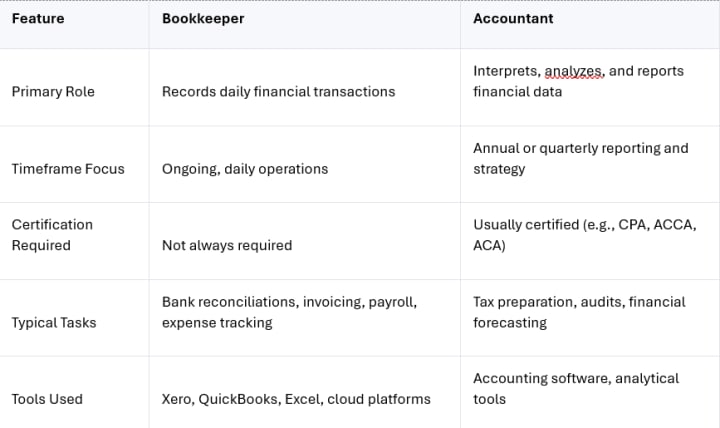
Before diving into value comparisons, let’s clarify roles:
________________________________________
2. Why Bookkeepers Deliver More Day-to-Day Value
Let’s break down where bookkeepers outshine accountants in everyday impact :
1. Real-Time Financial Insights
Bookkeepers maintain up-to-date records, giving business owners real-time visibility into cash flow, expenses, and profitability—crucial for making fast, informed decisions.
"You can't run a race blindfolded. Bookkeepers give you the eyes you need."
2. Consistent Cash Flow Management
They monitor accounts receivable/payable, ensuring invoices are sent and paid on time, reducing the risk of late payments or liquidity issues.
3. Cost Savings Through Efficiency
By automating processes and catching errors early, bookkeepers help avoid costly mistakes that might only surface during year-end accounting reviews.
4. Preparation for Tax Season
Good bookkeeping makes tax time smoother. Clean books mean your accountant spends less time organizing data and more time optimizing deductions.
5. Support for Scalability
As your business grows, so does your transaction volume. A dedicated bookkeeper ensures your financial systems scale smoothly without breakdowns.
3. When You Need an Accountant: The Strategic Role
Accountants play a crucial role in:
• Year-end tax filings
• Audits and regulatory compliance
• Business structure advice (LLC, sole trader, etc.)
• Long-term financial planning
• Investment and funding strategies
But these tasks are periodic and reactive , rather than ongoing and proactive like bookkeeping.
“An accountant tells you what happened last year. A bookkeeper helps you make better decisions today.”
4. Real-World Examples: Bookkeepers Making a Difference
Case Study 1: E-commerce Startup
Challenge: Overwhelmed with daily sales, refunds, and supplier payments
Solution: Outsourced bookkeeping via Outbooks Ireland
Result: Improved cash flow tracking, reduced payment delays, and accurate monthly reports for investors
Case Study 2: Family-Owned Restaurant
Challenge: Disorganized finances led to missed VAT deadlines
Solution: Hired a part-time bookkeeper
Result: Timely filing, fewer penalties, and better inventory cost tracking
5. Trends Driving the Rise of Bookkeeping as a Key Business Function
1. Cloud-Based Accounting Tools
Platforms like Xero and QuickBooks have made bookkeeping more accessible, collaborative, and automated.
2. Remote Work & Outsourcing
Businesses now prefer flexible, outsourced bookkeeping services over hiring full-time staff.
3. Data-Driven Decision-Making
With clean books, managers and owners can make faster, smarter operational decisions.
6. Choosing the Right Support for Your Business
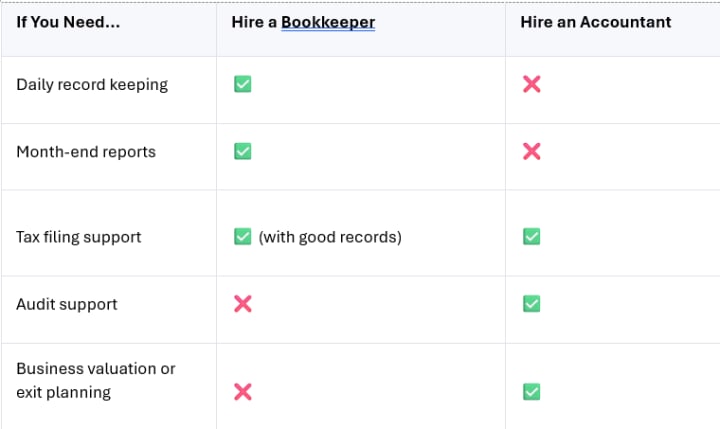
💡 Pro Tip: Many businesses benefit from having both — a bookkeeper managing daily operations and an accountant for strategic oversight.
7. How Outsourcing Bookkeeping Adds Even More Value
Outsourcing to professionals like Outbooks Ireland offers:
• Cost savings vs. hiring in-house
• Access to expert teams and modern tools
• Faster turnaround times
• Better accuracy and compliance
• Peace of mind knowing your books are always audit-ready
“Outsourcing bookkeeping isn’t just about saving time—it’s about unlocking potential.” – Outbooks Client Testimonial
FAQs
Q: What’s the main difference between a bookkeeper and an accountant?
A: Bookkeepers handle daily financial tasks like recording transactions, managing accounts payable/receivable, and maintaining accurate records. Accountants focus on interpreting financial data, preparing tax returns, conducting audits, and offering strategic financial advice—usually on a periodic basis.
Q: Why is bookkeeping important for small businesses?
A: Bookkeeping provides real-time financial insights, ensures cash flow is managed effectively, helps avoid costly errors, and prepares your business for tax season. It gives you the clarity needed to make smart business decisions every day.
Q: Can I just hire an accountant and skip the bookkeeper?
A: While accountants are essential for tax and strategy, they rely on clean, organized books to do their job well. Without a bookkeeper, your accountant will spend more time organizing data than optimizing your finances—costing you time and money.
Q: When should I work with an accountant instead of a bookkeeper?
A: You’ll need an accountant for year-end tax filings, audits, regulatory compliance, business structure planning, investment strategies, and long-term financial forecasting. These are typically annual or strategic tasks.
Q: How can bookkeeping help my business grow?
A: Good bookkeeping supports scalability by ensuring your financial systems grow with your business. It also improves decision-making with accurate, up-to-date financial reports and prevents operational issues like late payments or cash flow shortages.
Q: Is outsourcing bookkeeping a good idea for small businesses?
A: Yes! Outsourcing offers cost savings, access to expert teams and modern tools, faster turnaround times, and peace of mind knowing your financials are handled professionally and accurately.
Q: What tools do professional bookkeepers use?
A: Most bookkeepers today use cloud-based accounting platforms like QuickBooks , Xero , or Wave . These tools allow for automation, collaboration, and real-time financial tracking.
Q: How does bookkeeping affect tax season?
A: Accurate, up-to-date bookkeeping makes tax season smoother. Your accountant can focus on maximizing deductions and minimizing liabilities instead of cleaning up disorganized records.
Q: What happens if I don’t have proper bookkeeping in place?
A: Poor bookkeeping can lead to missed payments, inaccurate financial reporting, late fees, poor business decisions, and even legal or tax issues. It can seriously hinder growth and profitability.
Q: Should I hire a full-time bookkeeper or outsource?
A: Outsourcing is often more cost-effective and flexible, especially for small businesses. It gives you access to experienced professionals without the overhead of hiring in-house. However, the best choice depends on your business size, complexity, and budget.
Conclusion: Don’t Underestimate the Bookkeeper
While accountants are vital for tax compliance and financial strategy, bookkeepers are the backbone of sustainable business growth . Their consistent, hands-on work provides the foundation upon which all other financial success is built.
If you're a small business owner or growing startup, investing in professional bookkeeping services isn’t just wise — it’s essential.
About the Creator
ella parker
As a CPA turned writer, I bring creatre compellling blog posts, whitepapers & educational content that simplify complex financial topics.
Keep reading
More stories from ella parker and writers in FYI and other communities.
How to Find the Best Virtual Bookkeeper USA in Under 10 Minutes?
In today's fast-paced business environment, finding the right virtual bookkeeper can feel overwhelming. With thousands of options available across the United States, how do you identify the perfect match for your business needs without spending weeks researching? The good news is that with the right strategy and knowledge, you can find an exceptional virtual bookkeeper in under 10 minutes.
By ella parker6 months ago in FYI



Comments
There are no comments for this story
Be the first to respond and start the conversation.