
When Safety Comes First: Understanding the Ramipril Medication Recall
Why batches of a widely used blood pressure drug were pulled from the market and what patients should know

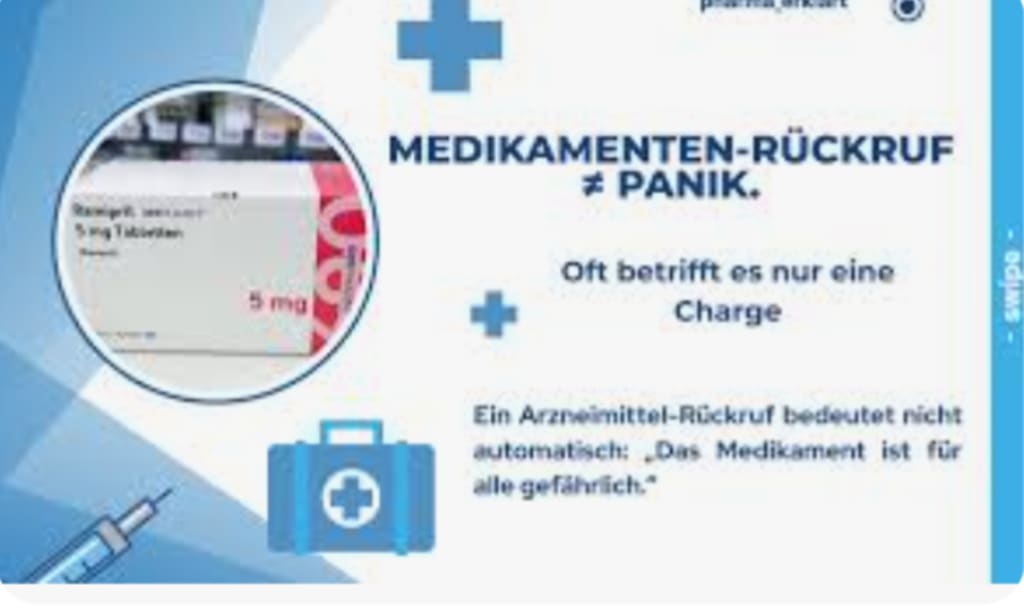
Ramipril is one of the most commonly prescribed medications for treating high blood pressure, heart failure, and kidney disease related to diabetes. For millions of patients worldwide, it plays a vital role in preventing strokes and heart attacks. However, recent medication recalls involving certain batches of Ramipril have raised concerns and questions among patients and healthcare providers alike. The incident highlights how closely monitored the pharmaceutical supply chain is and why patient safety remains the highest priority in modern medicine.
Medication recalls are not uncommon, but when a drug as widely used as Ramipril is affected, public attention increases. Understanding what a recall means, why it happens, and what patients should do is essential to avoiding panic and ensuring continued treatment.
Ramipril belongs to a class of drugs known as ACE inhibitors (angiotensin-converting enzyme inhibitors). These medications help relax blood vessels, making it easier for the heart to pump blood. Because of its proven effectiveness, Ramipril has been prescribed for decades and is considered a cornerstone treatment for cardiovascular conditions.
The recall did not involve all Ramipril products but rather specific batches manufactured by certain pharmaceutical companies. Authorities discovered irregularities during routine quality control testing. In some cases, tablets did not meet the required standards for purity or stability. In other instances, labeling errors or packaging problems were identified, which could potentially lead to incorrect dosage instructions.
Regulatory agencies such as the European Medicines Agency and national health authorities acted swiftly, ordering the affected batches to be withdrawn from pharmacies and wholesalers. This precautionary measure ensures that only products meeting strict safety and quality guidelines remain available to patients.
One of the most important points for the public to understand is that a recall does not necessarily mean the medication is dangerous for everyone who has taken it. In most cases, recalls are issued to prevent potential risks before any serious harm occurs. The pharmaceutical industry operates under extremely strict regulations, and even minor deviations from quality standards can trigger a recall.
For patients currently taking Ramipril, the news can be unsettling. Many rely on the medication daily to control blood pressure and protect their hearts. Health experts emphasize that patients should not stop taking Ramipril abruptly without consulting a doctor or pharmacist. Sudden discontinuation can lead to dangerous spikes in blood pressure and increased risk of heart complications.
Instead, patients are advised to check the batch number and manufacturer information on their medication packaging. Pharmacies and healthcare providers can confirm whether a specific product is part of the recall. If it is, they will provide a replacement or an alternative medication with the same therapeutic effect.
Communication plays a crucial role during medication recalls. Pharmacies often display notices, and some health authorities send alerts directly to healthcare professionals. In many countries, recall information is also published on official regulatory websites so that patients can verify details themselves.
The Ramipril recall also sheds light on the complex journey of medications from factory to patient. Drugs must pass through multiple stages of production, testing, storage, and distribution. Even with advanced technology and strict oversight, occasional problems can still occur. What matters most is how quickly these problems are detected and corrected.
In recent years, several high-profile recalls of blood pressure medications have occurred due to impurities or manufacturing issues. These incidents have led to increased scrutiny of global pharmaceutical supply chains and greater transparency in reporting quality concerns. As a result, regulatory agencies have strengthened their monitoring systems and introduced more rigorous testing protocols.
While recalls can be inconvenient, they ultimately demonstrate that safety systems are working as intended. Rather than hiding flaws, manufacturers and authorities are required to act openly and responsibly. This builds trust between patients, healthcare professionals, and regulatory institutions.
For many patients, the recall has also sparked a renewed interest in understanding their medications. Questions about side effects, alternatives, and long-term use have become more common in doctor’s offices. This dialogue is positive, as informed patients are more likely to follow treatment plans correctly and recognize potential problems early.
Healthcare professionals encourage patients to keep an updated list of all medications they take and to store packaging whenever possible. This makes it easier to identify batch numbers in case of future recalls. Patients should also avoid purchasing medication from unverified sources, as counterfeit or improperly stored drugs pose a far greater risk than recalled pharmaceutical products.
The Ramipril medication recall serves as a reminder that medicine is not only about treatment but also about responsibility. From scientists and factory workers to pharmacists and doctors, many people are involved in ensuring that a single tablet is safe to swallow. When an issue arises, the system’s ability to respond quickly protects millions of lives.
In the end, the recall should not be seen as a failure but as proof of vigilance. It reflects a healthcare environment that values prevention over reaction and transparency over silence. For patients using Ramipril, the message is clear: stay informed, consult professionals, and trust that safety mechanisms exist to protect your health.
Medication recalls can feel alarming, but they are part of a larger process dedicated to safeguarding public well-being. With proper communication and cooperation between patients and healthcare providers, continuity of care remains possible even in moments of uncertainty.
About the Creator
Sajida Sikandar
Hi, I’m Sajida Sikandar, a passionate blogger with 3 years of experience in crafting engaging and insightful content. Join me as I share my thoughts, stories, and ideas on a variety of topics that matter to you.
Keep reading
More stories from Sajida Sikandar and writers in FYI and other communities.
From Sitcom Stardom to Spiritual Calling: The Remarkable Journey of Demond Wilson
Demond Wilson is best remembered as Lamont Sanford, the quick-witted and long-suffering son in the classic 1970s sitcom Sanford and Son. His comedic timing and sharp delivery made him a household name and helped define one of the most beloved television shows of its era. Yet, while many fans recall Wilson for his humor and television success, fewer know about the profound personal transformation that led him away from Hollywood and toward a life devoted to faith and service.
By Sajida Sikandarabout 2 hours ago in The Swamp
A Failed Artist, A Disillusioned Poet, An Underpaid Game Show Host
I took my son and niece to Gori, a small town in Georgia where Joseph Stalin was born. They talked me into visiting the Stalin's Museum, the largest in the post-Soviet space. I had resisted going there because I just can't stand the monster and know enough about him, or so I thought.
By Lana V Lynx26 days ago in FYI




Comments
There are no comments for this story
Be the first to respond and start the conversation.