
What was Found Inside Einstein's Brain
How Dr. Thomas Harvey stole Einstein's brain

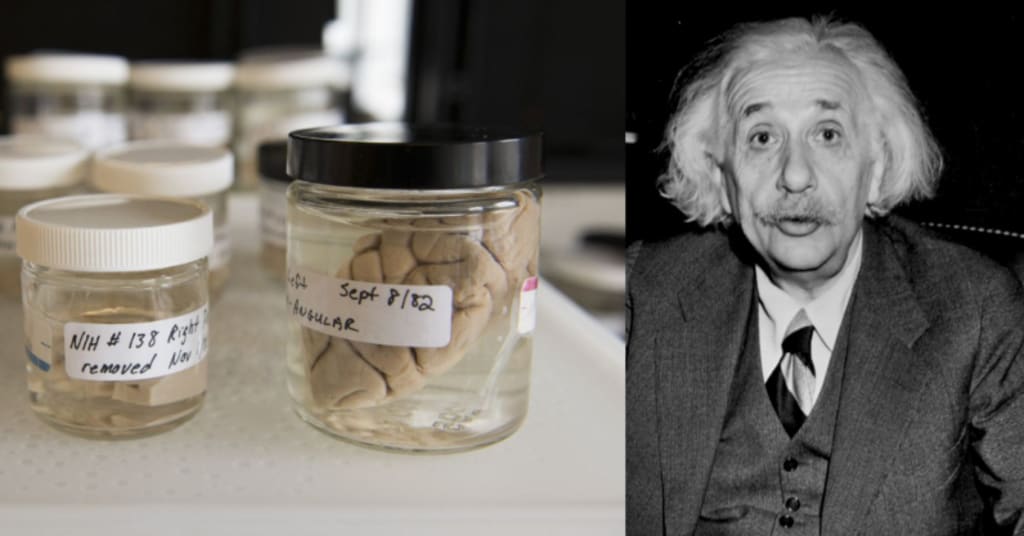
After Einstein's death, Dr. Thomas Harvey, who worked at the hospital where Einstein passed away, took possession of the renowned scientist's brain and held onto it for the following forty years, motivated by a desire to determine the factors that contributed to Einstein's exceptional intelligence.
Dr. Harvey was not the only one interested in uncovering the secrets of genius. In the past, scientists had limited means of studying the human brain and its functions, particularly regarding exceptional intelligence. Therefore, they often resorted to analyzing actual brain tissue since advanced computer technology and imaging techniques were not yet available.
Background Story
The unusual journey of Einstein's brain started on the evening of April 17, 1955, when the physicist, who was 76 years old, was admitted to Princeton Hospital located in Princeton, NJ due to chest pains. Unfortunately, he passed away the following morning due to a ruptured aortic aneurysm.
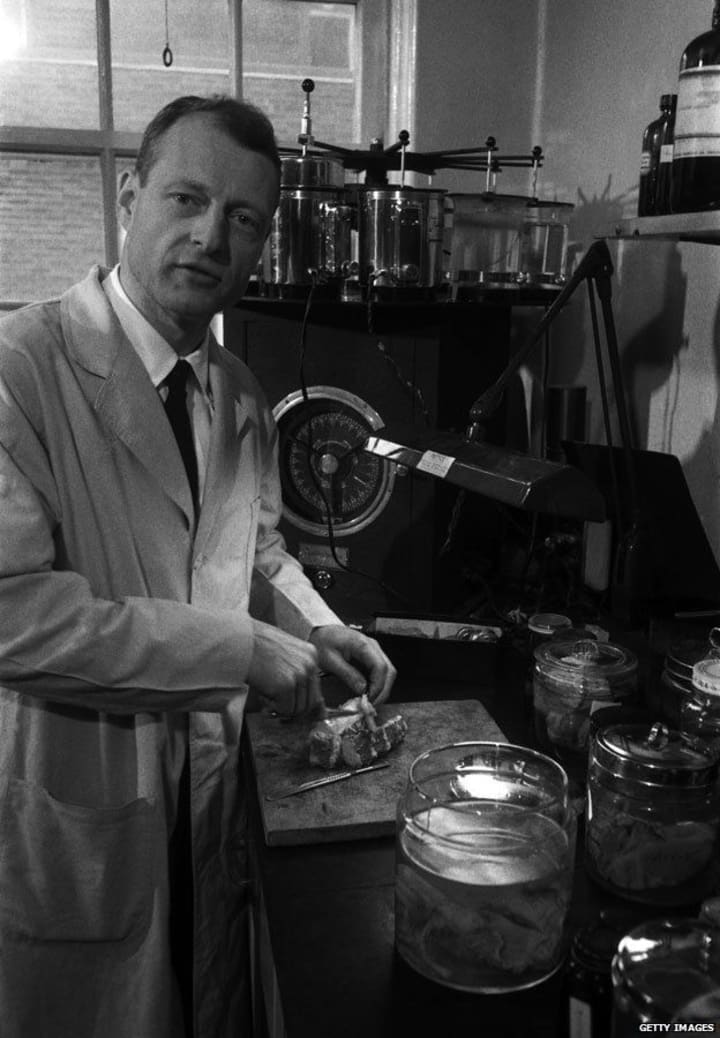
Thomas Stoltz Harvey, born on October 10, 1912, was a pathologist from the United States. He the doctor on call that evening performed the autopsy on Albert Einstein without authorization. He would later say: "I just knew we had permission to do an autopsy, and I assumed that we were going to study the brain." Not only did Harvey perform post-mortem examination without authorization, he also retained Einstein's brain for many years after the examination.
Albert Einstein's Brain
The weight of Einstein's brain was 1,230 grams, which fell within the typical range for a human brain. Following the autopsy, Dr. Harvey took the preserved brain to a laboratory at the University of Pennsylvania where he spent three months sectioning it into different pieces.
Dr. Thomas Harvey had photographed Einstein's brain before sectioning it into around 240 pieces. The pieces were then preserved in celloidin, which is a common technique used in the preservation and study of brains.
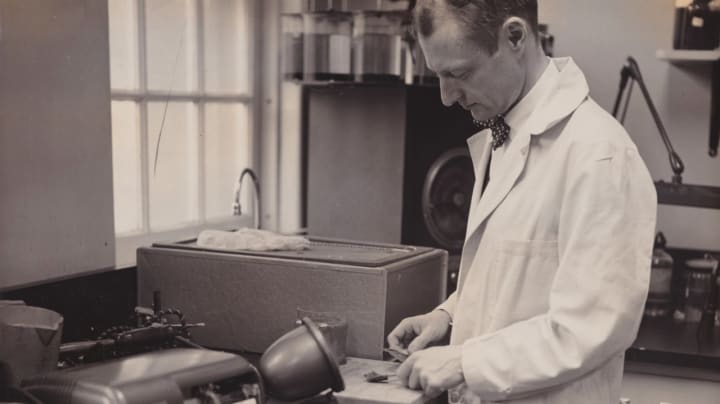
Dr. Thomas Harvey sent small slivers of Einstein's brain to various doctors and scientists around the world whose work he found interesting. He hand-picked these experts and requested that they report their findings back to him, after which their work would be published so that the world could gain insights into the workings of a genius's brain. He kept two complete sets for his own research.
Despite the fact that no permission for the removal and preservation of the brain had been granted by Einstein or his family, the family later learned about the study and granted permission on the condition that the results would only be published in scientific journals and not sensationalized.
Einstein gave explicit instructions regarding his remains, he had requested that his remains be cremated and ashes scattered secretly to prevent idolization. Unfortunately, not only did Dr. Harvey take Einstein's brain without permission, but he also removed the physicist's eyeballs and gave them to Einstein's eye doctor, Henry Abrams. To this day, the eyeballs are kept in a safe deposit box in New York City.
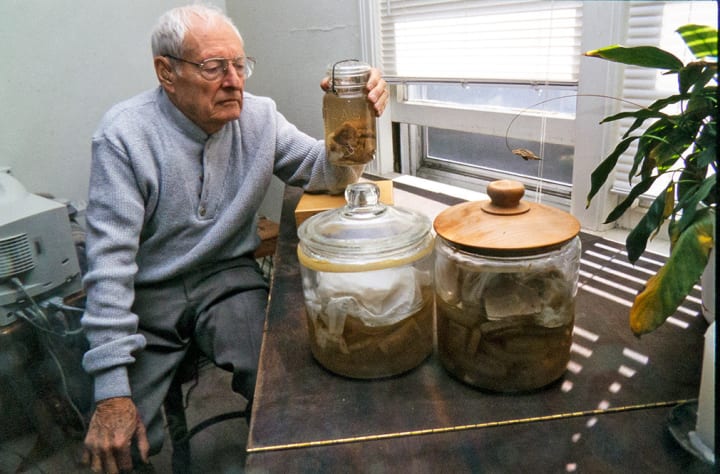
Soon after the autopsy, Dr. Harvey was dismissed from Princeton Hospital for his refusal to surrender the preserved brain specimen.
It is important to note that Dr. Thomas Harvey was not a brain specialist, and his knowledge of the brain was limited to the diagnosis of disease, atrophy, or injury during postmortem examinations. This means that he did not possess the necessary expertise or resources to conduct the brain study that he had proposed.
In 1998, Dr. Thomas Harvey gave the remaining uncut portion of Einstein's brain to Dr. Elliot Krauss, who was a pathologist at the University Medical Center at Princeton.
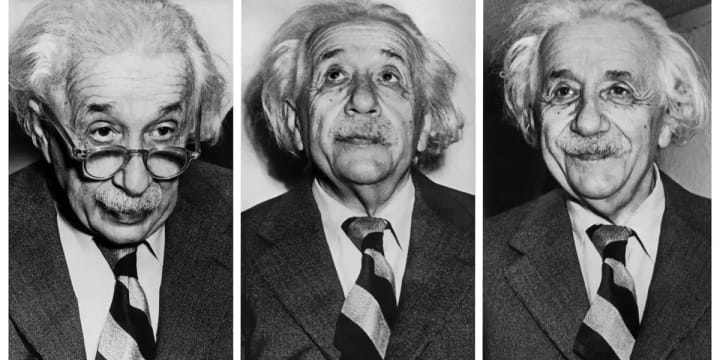
Dr. Thomas Harvey passed away on April 5, 2007, due to complications from a stroke, at the University Medical Center located in Princeton.
In 2010, the heirs of Dr. Thomas Harvey transferred all of his possessions, including the remains of Albert Einstein's brain, to the National Museum of Health and Medicine. This collection included 14 photographs of the whole brain, which had never been made public before, as the brain is now fragmented.
In all the study, Einstein's brain was found to be normal. There were no clear indications of anything that would immediately suggest exceptional intelligence or genius.
References and Further Study:
About the Creator
Rare Stories
Our goal is to give you stories that will have you hooked.
This is an extension of the Quora space: Rare Stories
X(formerly Twitter): Scarce Stories
Writers:
....xoxo
Keep reading
More stories from Rare Stories and writers in FYI and other communities.
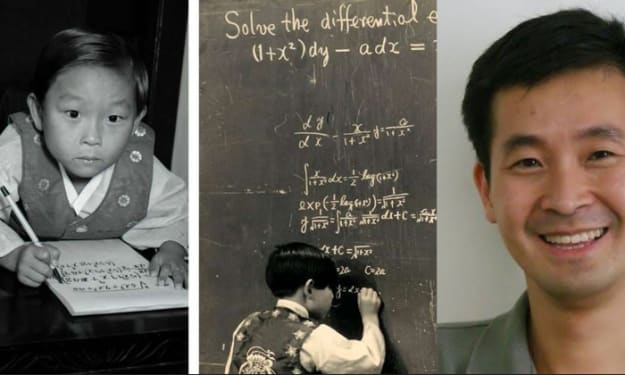
Kim Ung-Yong: The Boy Genius Who Shocked The World
Kim Ung-yong was a remarkable child prodigy from Korea who demonstrated exceptional intellectual abilities from a very young age. He was able to read and write in multiple languages, including Japanese, Korean, German, and English, before he even turned four years old.
By Rare Stories3 years ago in FYI
How to Succeed at the Benson Directory®
Congratulations and welcome to the Benson Directory® employee #22391! As our newest call handler, you will have the privilege of speaking with dozens of unique and interesting people on a daily basis as well as the opportunity to earn bonuses for high performance. Contained within this handbook you will find a set of ease to follow instructions designed to help you settle in to your new role and begin paving the way to success.
By S. A. Crawford2 days ago in Fiction


Comments
There are no comments for this story
Be the first to respond and start the conversation.