
What Type of Hinge is used for Cabinets?
IPSA Mart offers a wide selection of high-quality hardware solutions, including soft close hinges for cabinets, which provide smooth, quiet closures to enhance cabinet functionality.

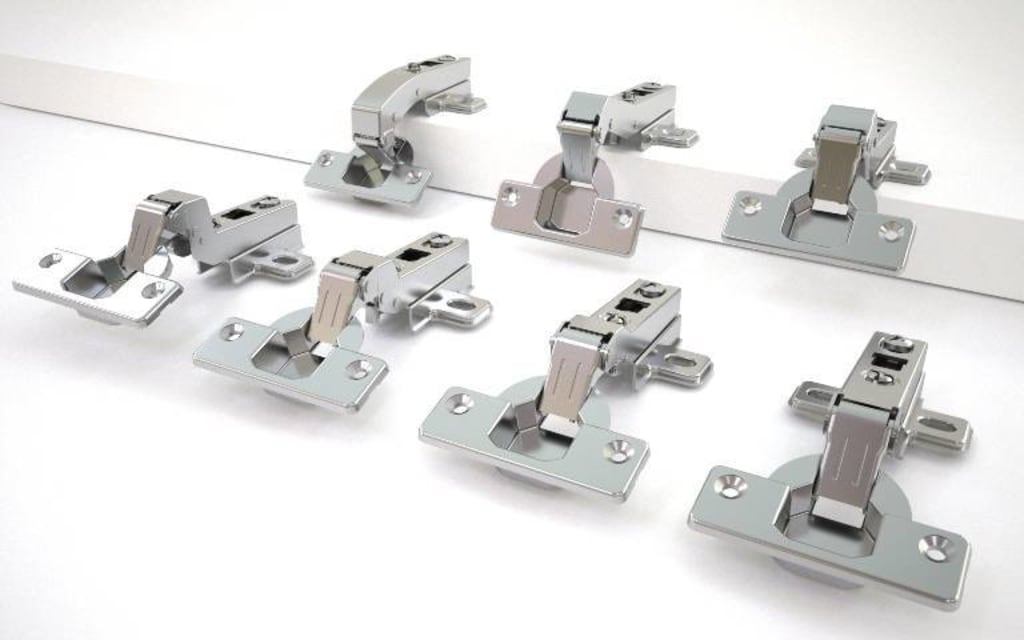
When it comes to cabinetry, the right hinges play a crucial role in enhancing functionality, appearance, and durability. Cabinet hinges come in various types and styles, including popular options like soft close hinge, each designed for specific functions and aesthetics. Selecting the appropriate hinge not only improves the usability and seamless operation of cabinets but also extends their lifespan. Whether for a sleek, modern kitchen, a classic living room, or an organized office, the right hinge choice can make all the difference in maintaining quality and style.
Here, we’ll explore the main types of cabinet hinges, their unique features, and how to choose the ideal hinge for your space.
Why Does Cabinet Hinge Matter?
Cabinet hinges are essential for cabinet durability and functionality, ensuring smooth door opening and closing without sagging. They also enhance the aesthetic appeal of your cabinetry, ensuring a sleek or traditional look.
Types of Cabinet Hinges
Various cabinet hinges include:-
1. Butt Hinges
Butt hinges are one of the most commonly used types, consisting of two metal plates joined by a pin. They are attached to the door and frame, allowing the door to open and close on a fixed axis. Butt hinges are known for their durability and strength, making them an ideal choice for heavy or frequently used cabinet doors.
Pros: Durable, easy to install, compatible with various cabinet styles.
Best for: Traditional cabinets, heavy doors, high-traffic areas.
2. Concealed Hinges
Concealed hinges, often referred to as European hinges, provide a smooth and uncluttered appearance by being out of sight when the cabinet door is closed. They’re widely used in modern cabinetry and are popular for their sleek appearance and adjustability. Concealed hinges are often used with soft-close technology, which prevents doors from slamming shut, reducing noise and wear.
Pros: Sleek, adjustable, often compatible with soft-close features.
Best for: Modern kitchens, minimalist designs, offices.
3. Overlay Hinges
Overlay hinges hold the cabinet door in place when it overlaps the cabinet frame. They are available in partial and full overlay options, depending on the coverage required. Full overlay hinges cover the entire cabinet frame, giving a modern, frameless look, while partial overlay hinges reveal part of the frame.
Pros: Versatile, and provides various design options.
Best for: Frameless cabinets, contemporary styles.
4. Inset Hinges
Inset hinges allow the cabinet door to sit flush with the cabinet frame, creating a cohesive look. They’re visible when the door is closed, and can be decorative, adding a touch of style to your cabinetry. Inset hinges are typically available in a variety of finishes, so you can match them with cabinet knobs and pulls for a coordinated look.
Pros: Aesthetic appeal, flush fit.
Best for: Traditional or rustic designs, decorative cabinetry.
5. Soft-Close Hinges
Soft-close hinges prevent the door from slamming shut, providing a controlled and quiet close. These hinges are typically concealed, and they’re a favorite for families or anyone looking for quieter cabinetry. Soft-close technology extends the life of both the door and hinge by reducing impact, making it an investment in durability.
Pros: Quiet, extends the life of the cabinet, child-friendly.
Best for: Family homes, kitchens, high-traffic cabinets.
6. Pivot Hinges
Pivot hinges attach to the top and bottom of the cabinet door rather than the side, allowing the door to pivot open. They are often useful in specialty cabinets or unique spaces where a traditional swing motion is limited. Pivot hinges are excellent for achieving a streamlined look in creative or custom-designed spaces.
Pros: Unique design, efficient for tight spaces.
Best for: Custom cabinetry, small spaces, modern designs.
7. Continuous Hinges
Also called piano hinges, continuous hinges run the full length of the cabinet door, providing even support along the edge. They are incredibly strong and distribute weight evenly, making them ideal for heavy or wide cabinet doors. Continuous hinges are less common in residential settings but are often useful in commercial spaces.
Pros: Extra durability, even weight distribution.
Best for: Large doors, commercial cabinets, heavy-duty applications.
8. Auto-Close Hinges
Soft closing hinges are a practical and user-friendly cabinetry option that automatically closes doors when close to the frame, making them ideal for both residential and commercial settings. They use a spring mechanism or internal cam to gradually close the door.
Pros: Enhanced Convenience, Tight & Secure Closure and Prevents Cabinet Wear
Best For: Kitchens, Bathrooms, Office Cabinets, Children’s Room
Guide to Find the Suitable Cabinet Hinge
A list of steps to follow while selecting the right cabinet hinge includes:-
1. Consider the Cabinet Type
Determine whether your cabinets are framed or frameless. For framed cabinets, you’ll need hinges that attach to the frame. Frameless cabinets, on the other hand, require hinges that attach directly to the side wall of the cabinet. Knowing your cabinet type can help narrow down your hinge choices.
2. Match with Your Design Style
Consider the general look you wish to accomplish. Concealed hinges work best for minimalist or modern kitchens, while decorative inset hinges suit traditional or rustic cabinetry. Overlay hinges offer flexibility, making them suitable for both traditional and contemporary styles.
3. Think About Functionality
If you’re installing cabinets in a high-traffic area, consider soft-close hinges for quieter and smoother operation. For cabinets with heavier doors, butt or continuous hinges provide the durability needed to handle the load.
4. Consider Adjustability
Many modern hinges come with adjustable features, allowing you to fine-tune the door alignment after installation. Concealed hinges often offer this adjustability, making them a convenient option for professional and DIY installations alike.
5. Evaluate Durability and Budget
While premium hinges may cost more upfront, they are an investment in durability and functionality. Soft-close hinges, for example, can prevent wear and extend the life of your cabinets, making them a cost-effective choice over time.
How to Install Cabinet Hinges: Tips
If you’re installing cabinet hinges yourself, follow these general steps for a smooth process:
Mark the Hinge Placement: Measure and mark where the hinges will be attached to the cabinet door and frame.
Pre-Drill Holes: Use a drill to create pilot holes, preventing the wood from splitting during installation.
Attach the Hinges: Screw the hinge plates onto the door, making sure they are level and flush.
Secure the Door: Attach the door to the cabinet frame, ensuring that it is aligned and closes smoothly.
Adjust as Needed: Many hinges offer alignment screws, so you can make small adjustments for a perfect fit.
Final Thoughts
Selecting the right cabinet hinges is crucial for both functional and aesthetic purposes. Choose from durability, sleekness, or soft-close technology, considering cabinet type, functionality, and budget to enhance cabinetry's beauty and functionality.
IPSA Mart offers a wide selection of high-quality hardware solutions, including soft close hinges for cabinets, which provide smooth, quiet closures to enhance cabinet functionality. Known for durability and style, IPSA Mart’s products are ideal for modern homes and offices, delivering both aesthetic appeal and lasting performance.
About the Creator
IPSA Mart
Consumer experience is prime to IPSA MART, Being best in architectural hardware solutions and specializing in electronic door locks & many more.
On National Cheese Lover’s Day, Don’t Feel Bleu—Celebrate the Curds That Bind Us
January 20th rolls around every year with a simple but powerful message: don’t feel bleu, throw a feta, and absolutely act capriciously if cheese is involved. National Cheese Lover’s Day is the perfect excuse to lean into one of humanity’s oldest and most beloved foods. Whether you’re reaching for cheddar, asiago, fontina, or something that smells questionable but tastes incredible, this is a gouda day to celebrate it all.
By Lawrence Leasea day ago in FYI


Comments
There are no comments for this story
Be the first to respond and start the conversation.