
What To Expect During Emergency Water Damage Restoration
Water Damage Restoration
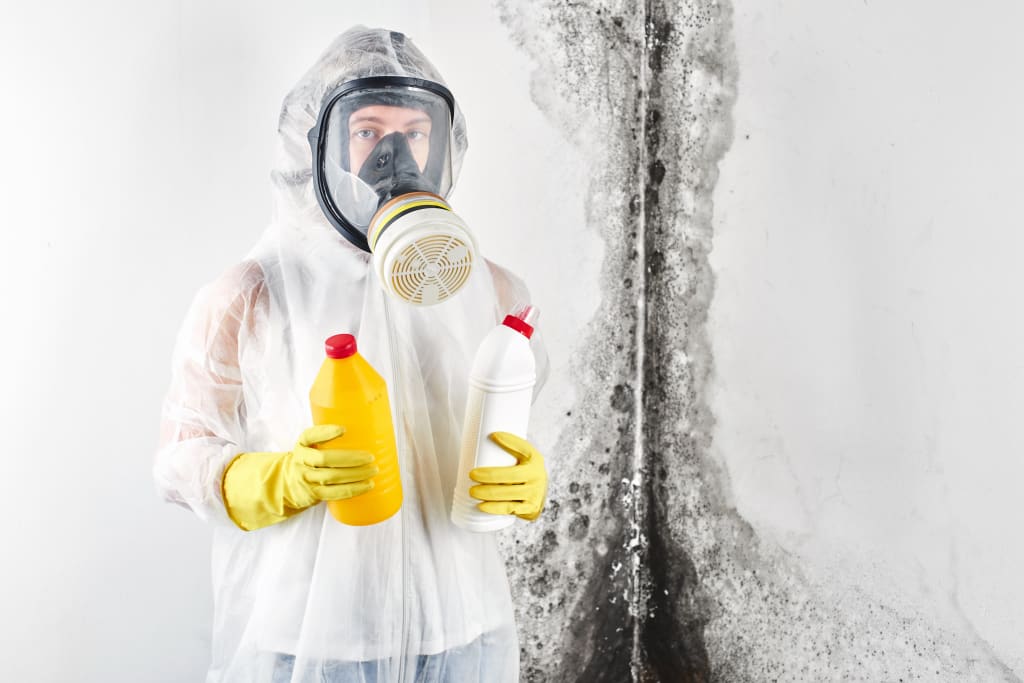
Discovering unexpected water damage in your home can be a distressing experience. The aftermath can be overwhelming, whether from a burst pipe, flooding, or a leaky roof. That's where emergency water damage restoration services step in to save the day. Their trained technicians use specialized equipment and techniques to extract standing water, remove damaged materials, and prevent further damage.
This blog will walk you through what to expect during the restoration process. From the initial assessment to drying, cleanup, and repairs, it will shed light on the crucial steps professionals take to restore your home to its pre-damage condition. When you have a better grasp of what is going on, you can relax and get back to normal more quickly after experiencing a traumatic event.
How Does The Water Damage Restoration Process Work?
It can be hard to deal with the effects of water damage, especially if structural repairs are needed. However, understanding the step-by-step process of water damage restoration can help alleviate some of the anxiety. Below, we outline the various stages involved in the restoration process to give you a clearer picture of what to expect:
1. Assessment and Inspection
Upon arriving at the site, restoration professionals conduct a thorough assessment to evaluate the extent of the water damage. They identify the source of the issue, whether it's a burst pipe, a leaking roof, or flooding. This critical step is the foundation for developing an effective restoration plan tailored to your situation.
2. Water Extraction
The next phase involves the removal of excess water from the affected area. Restoration experts employ specialized pumps, vacuums, and other advanced equipment to extract water efficiently. Fast water removal prevents further damage to the property's structure and contents, expediting the drying process.
3. Drying and Dehumidification
Once the bulk of the water has been extracted, the focus shifts to thorough drying and dehumidification. Powerful dehumidifiers and strategically placed air movers work in tandem to eliminate residual moisture from the environment. This crucial step prevents the growth of mold, mildew, and other harmful microorganisms, ensuring a safe and healthy living space.
4. Removal of Damaged Items
Items not salvageable due to extensive damage are carefully removed and properly disposed of. Professionals providing emergency water damage restoration services make informed decisions about what can be salvaged and what must be discarded. Salvageable items are documented, cleaned, and stored until they can be returned to their original places once the restoration is complete.
5. Cleaning and sanitation
Thorough cleaning and sanitization are paramount in the restoration process. All surfaces, including walls, floors, and furniture, are meticulously cleaned using specialized techniques and environmentally friendly cleaning agents. Sanitization removes visible dirt and contaminants and eliminates invisible pathogens that may pose health risks.
6. Mold Prevention
Restoration experts take preventive measures in cases where mold growth is a concern. In a professional water damage restoration process, they apply antimicrobial treatments to inhibit the growth of mold and mildew. This will ensure that your property remains mold-free and safe for occupancy.
7. Repairs and Reconstruction
Once the affected area is dry and sanitized, the restoration process transitions to repairs and reconstruction. This phase involves restoring the property to its pre-damage condition. Restoration professionals replace damaged drywall, flooring, and other structural components, ensuring your living space is functional and aesthetically pleasing.
8. Monitoring and Documentation
Throughout the restoration process, meticulous monitoring of moisture levels is conducted. This continuous assessment ensures that the drying process is proceeding as planned. Detailed documentation of the restoration journey, including assessments, actions taken, and results achieved, is maintained. These records are invaluable for insurance claims and future reference.
9. Communication with Insurance
Restoration companies often work closely with your insurance provider to streamline the claims process. The water damage restoration company will give you thorough documentation, which is then presented to your insurance company, facilitating a smoother and more efficient claims experience.
10. Final Inspection
Before wrapping up the restoration process, a final inspection is conducted. Restoration professionals thoroughly examine the property to ensure that all repairs and cleaning have been executed to the highest standards. This meticulous review guarantees that your home is safe, clean, and free from potential hazards.
11. Returning Salvaged Items
Salvaged items that were removed and cleaned are returned to their original places. This marks the completion of the emergency water damage restoration services journey, with your space finally regaining its pre-damage appearance and functionality.
12. Preventive Measures
After the repairs are finished, you can get advice from professionals about how to avoid flooding in the future. These preventive measures could involve suggestions for improved drainage systems, regular maintenance checks, and other proactive strategies to safeguard your property from potential water-related incidents.
Thus, emergency water damage restoration is a comprehensive process that requires professional expertise and timely intervention. Knowing what to expect at each step of the restoration process will make getting your property back to normal much easier.
Wrapping Up
When water damage happens out of the blue, it can be scary to think about how to fix a water emergency during a natural disaster. However, understanding the meticulous steps involved can ease the stress. From the initial assessment pinpointing the source of the issue to the strategic removal of water, the process unfolds methodically. Drying, sanitization, mold prevention, repairs, and a final inspection restore the structural damage. Throughout this expedition, constant monitoring and precise documentation are maintained, easing insurance claims.
As your home transforms back to its original state, the significance of water restoration services shines through. This information will help you hire the right mold removal specialist in Staten Island who provides water damage restoration repair services.
About the Creator
Keep reading
More stories from writers in FYI and other communities.
A Failed Artist, A Disillusioned Poet, An Underpaid Game Show Host
I took my son and niece to Gori, a small town in Georgia where Joseph Stalin was born. They talked me into visiting the Stalin's Museum, the largest in the post-Soviet space. I had resisted going there because I just can't stand the monster and know enough about him, or so I thought.
By Lana V Lynx21 days ago in FYI
Hello You”: The Small Greeting With a Big Human Meaning
“Hello you” is one of the simplest phrases in the English language, yet it carries a surprising amount of emotional, cultural, and social weight. At first glance, it seems informal, even throwaway—something said without much thought. But when examined closely, “hello you” reveals how language adapts to intimacy, technology, and the human need for recognition in an increasingly fast-paced world.
By Salaar Jamali5 days ago in FYI


Comments
There are no comments for this story
Be the first to respond and start the conversation.